The cryptocurrency market, known for its rapid highs and sudden lows, recently witnessed a dramatic downturn for the PUMP token, the native asset of the popular Pump.Fun platform. What began as an anticipated event—a significant airdrop—transformed into a major catalyst for a steep decline, leaving investors reeling and sparking widespread concerns across the decentralized finance (DeFi) landscape.
The Unfolding Crisis: PUMP Token’s Steep Decline
The saga of the PUMP token‘s recent market woes began quietly but escalated quickly. On July 24, 2025, the token experienced an immediate 12% drop, a direct reaction to Pump.Fun co-founder Alon Cohen’s confirmation that the much-awaited airdrop would not be happening “anytime soon.” This initial dip was merely a prelude to a larger, more concerning trend. Over the preceding three weeks, PUMP had already shed 25% of its value, hitting a concerning low of $0.0028. This prolonged uncertainty surrounding the airdrop’s timing, coupled with whispers of legal pressures on the project, created a volatile environment ripe for a significant market correction.
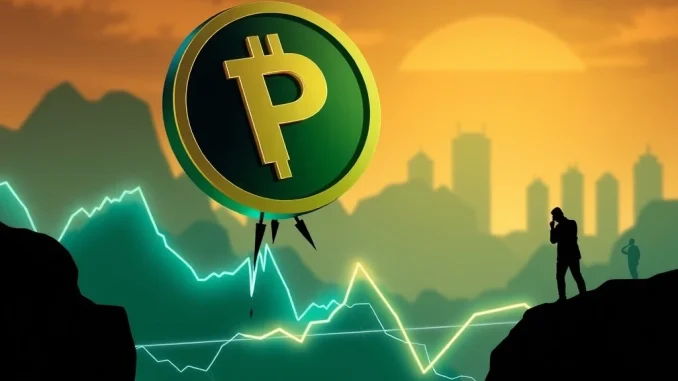
Cohen’s remarks, made during an interview with TreadGuy, aimed to manage expectations by stating the delay was necessary to prevent an immediate, post-distribution sell-off. While the intention might have been noble—to ensure the airdrop genuinely bolstered the ecosystem rather than crashing it—the execution and lack of concrete timelines had the opposite effect. The market reacted swiftly and harshly. Within just 24 hours of Cohen’s interview, the PUMP token plummeted a staggering 27% to $0.0029, marking a devastating 57% decline from its all-time high of $0.0068. This rapid depreciation underscored the fragile nature of investor confidence in nascent crypto projects, especially when expectations are mismanaged.
Why the Airdrop Delay Sparked a Massive Token Sell-Off
The primary driver behind the dramatic price action was undoubtedly the airdrop delay. Airdrops are often seen by communities as a reward for early support and a mechanism for fair distribution, intended to foster long-term engagement. When an airdrop is delayed indefinitely, it triggers several negative psychological and economic responses among holders:
- Erosion of Trust: Promises made, especially those tied to significant value distribution, are critical for maintaining community trust. An indefinite delay can be perceived as a broken promise or a sign of internal disarray.
- Uncertainty Breeds Fear: Without a clear timeline or eligibility criteria, investors are left in the dark. This uncertainty fuels speculation and fear, leading many to liquidate their holdings rather than risk further losses.
- Opportunity Cost: Holders might decide to reallocate their capital to other, more promising projects if the expected returns from the PUMP airdrop become too uncertain.
- Anticipatory Selling: Even if an airdrop eventually occurs, the fear of a post-airdrop dump (where recipients immediately sell their free tokens) can cause current holders to preemptively sell their existing tokens, contributing to a broader token sell-off.
Critics were quick to point out that the ambiguity surrounding the airdrop reflected either internal hesitations or genuine worries about post-claim demand. Holders, feeling betrayed, accused the team of failing to meet promised strategies for a successful token launch. This coordinated token sell-off saw early investors liquidating a massive 1.25 billion tokens, further depressing prices and amplifying the downward spiral. By mid-July, analysts confirmed that PUMP had lost over 50% of its value since its July 2025 ICO, directly linking the slump to the project’s perceived lack of transparency.
Investor Reactions and the Cascade of a Crypto Crash
The market’s reaction to the PUMP token’s misfortunes was swift and severe, exemplifying the cascading effects often seen during a broader crypto crash. Beyond the retail investor panic, significant whale activity compounded the downturn. Two major sell-offs, each totaling $45,000, were recorded via Mob Screener. These large-scale liquidations by institutional or high-net-worth investors often signal broader investor pessimism and can trigger further declines as smaller holders follow suit.
The social media sphere became a hotbed of disillusionment and frustration. Backlash was rampant, with many users expressing cynicism about presales and new token launches in general, often accompanied by graphics illustrating PUMP’s dramatic price trajectory. This public outcry not only damaged Pump.Fun’s reputation but also fueled skepticism about the credibility of new projects relying heavily on airdrop hype. The sentiment quickly shifted from excitement to accusations of mismanagement and even outright scamming, highlighting the intense emotional stakes involved in crypto investments.
Pump.Fun’s Resilience Amidst the Storm
Despite the severe downturn in its native PUMP token, the Pump.Fun platform itself has shown remarkable resilience. The platform maintained its dominance in decentralized meme coin trading, processing an impressive $25 million in daily DEX volume on July 24. This figure notably outpaced rivals like Useless Coin (USELESS), indicating that while investor confidence in the token may have wavered, the underlying utility and popularity of the Pump.Fun platform for creating and trading meme coins remained strong. This dichotomy presents a complex challenge for the project: how to sustain platform success when the associated token is struggling.
The continued high trading volume suggests that users still find value in Pump.Fun’s core offering—its ability to facilitate quick and easy meme coin creation and trading. However, a healthy ecosystem typically requires a strong native token that aligns incentives between the platform and its users. The disconnect between the platform’s operational success and the token’s market performance is a critical issue that Pump.Fun must address to ensure long-term stability and investor confidence.
Navigating the Aftermath: What Does This Token Sell-Off Mean?
The PUMP token’s significant token sell-off offers valuable lessons for both crypto projects and investors alike. For projects, it underscores the paramount importance of transparent communication and realistic roadmap planning. While the desire to avoid immediate sell-offs post-airdrop is understandable, delaying an anticipated event without a clear alternative plan or timeline can be far more damaging to trust and market stability. Projects must consider:
- Clear Communication: Provide timely, honest updates, even if the news is unfavorable. Ambiguity is often worse than bad news.
- Realistic Timelines: Avoid setting overly ambitious deadlines for airdrops or other key events if there’s a high risk of not meeting them.
- Contingency Planning: Have a plan B for how to engage and reward the community if an airdrop needs to be postponed.
- Community Engagement: Actively listen to community feedback and address concerns proactively, rather than letting discontent fester.
For investors, the PUMP incident serves as a stark reminder of the inherent risks in the volatile crypto market. The allure of airdrops and early access to new tokens can be strong, but due diligence is crucial. Investors should:
- Research Thoroughly: Understand the project’s fundamentals, team, technology, and roadmap beyond just the hype.
- Assess Risk: Never invest more than you can afford to lose, especially in speculative assets like new tokens.
- Diversify: Spread investments across various assets to mitigate the impact of a single project’s failure.
- Monitor Communication: Pay close attention to official announcements and team communications for any signs of trouble or shifting plans.
The Road Ahead for PUMP and Its Community
The path forward for Pump.Fun and its PUMP token community is fraught with challenges. While the team insists the airdrop will eventually deliver value, the prolonged airdrop delay has fueled skepticism and pushed many investors to seek alternatives. Rival platforms like LetsBonk are already gaining traction, capitalizing on Pump.Fun’s uncertain roadmap and the growing disillusionment among its user base.
Cohen’s stated goal of ensuring the airdrop bolsters the ecosystem rather than triggering a sell-off is commendable, but achieving it now hinges entirely on regaining user trust. This will require more than just promises; it demands concrete action and, most importantly, transparent communication. The team needs to provide a definitive plan for the airdrop, including a clear timeline and eligibility criteria, to reassure the community and prevent further exodus. Without a renewed commitment to transparency and a successful execution of its long-awaited airdrop, the PUMP token may struggle to recover its previous highs, regardless of the platform’s underlying utility.
Conclusion
The dramatic fall of the PUMP token serves as a cautionary tale in the fast-paced world of cryptocurrency. It highlights how quickly market sentiment can turn when expectations are unmet, particularly concerning highly anticipated events like airdrops. While Pump.Fun continues to dominate in its niche, the future of its native token hangs in the balance, dependent on the team’s ability to restore confidence through clear communication and timely delivery. For investors, it’s a stark reminder that even in promising projects, vigilance and due diligence remain paramount.
Frequently Asked Questions (FAQs)
Q1: What caused the PUMP token crash?
The primary cause of the PUMP token crash was the indefinite delay of its highly anticipated airdrop, confirmed by co-founder Alon Cohen. This uncertainty, coupled with a lack of concrete timelines and eligibility criteria, led to a significant loss of investor confidence and a coordinated token sell-off.
Q2: What is an airdrop in cryptocurrency?
An airdrop in cryptocurrency is a distribution of free tokens or coins to multiple wallet addresses, usually for promotional purposes. Projects use airdrops to generate awareness, reward early supporters, or distribute governance tokens to a broader community. They are often anticipated events that can significantly impact a token’s price and community engagement.
Q3: How much did the PUMP token fall from its peak?
The PUMP token plummeted 27% in 24 hours following the airdrop delay announcement, reaching $0.0029. This marked a total decline of 57% from its all-time high of $0.0068. Over the preceding three weeks, it had already dropped 25%.
Q4: Is Pump.Fun still operational despite the token crash?
Yes, despite the significant decline in the PUMP token’s value, the Pump.Fun platform remains operational and continues to be a dominant force in decentralized meme coin trading. On July 24, 2025, it processed $25 million in daily DEX volume, outpacing many rivals, indicating its underlying utility is still strong.
Q5: What lessons can investors learn from the PUMP token incident?
Investors can learn the importance of thorough research, understanding project roadmaps, and assessing the credibility of team communications. It highlights the risks associated with indefinite delays in anticipated events like airdrops and the need for diversification and risk management in volatile crypto markets. Transparency from project teams is crucial for maintaining investor trust.
Q6: What is the significance of whale activity during a token sell-off?
Whale activity refers to large transactions by significant holders of a cryptocurrency. During a token sell-off, whale activity, such as large sell orders, can accelerate price declines. It often signals a lack of confidence from major investors, which can trigger panic selling among smaller holders and exacerbate a market downturn, contributing to a broader crypto crash.