Pi Network Ecosystem Token Proposal Unveiled on Open Network’s First Anniversary
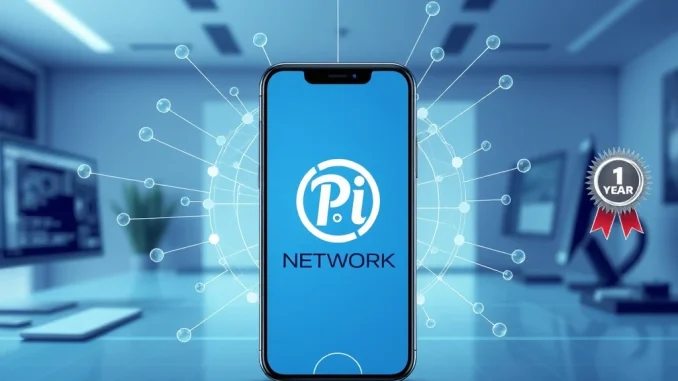
Global, March 14, 2025: The Pi Core Team has released a comprehensive ecosystem token design proposal, marking the first anniversary of the Pi Open Network’s launch. This detailed document, published as a Pi Request for Comment (Pi-RFC), invites the global Pioneer community to provide feedback through GitHub discussions. The move represents a significant step in Pi Network’s development timeline, transitioning from theoretical discussion to concrete technical specification.
Pi Network Ecosystem Token Proposal Details
The Pi Core Team published the ecosystem token proposal on the official Pi Network GitHub repository. This document outlines technical specifications, tokenomics, distribution mechanisms, and integration pathways within the existing Pi ecosystem. According to the release, the proposal aims to create a utility token that facilitates transactions, governance, and application development on the Pi Open Network. The team structured the document to address previous community questions while maintaining flexibility for technical adjustments based on expert feedback.
Technical specifications within the proposal include consensus mechanisms, token minting schedules, and security protocols. The document references established blockchain standards while proposing Pi-specific adaptations for mobile-first accessibility. Distribution models consider the existing Pioneer base, with mechanisms designed to reward early contributors while maintaining sustainable growth. Integration pathways detail how the ecosystem token would interact with Pi’s existing mobile mining infrastructure and future decentralized applications.
Open Network Anniversary and Development Timeline
Pi Network launched its Open Network exactly one year before this proposal release. The Open Network represents Phase 3 of Pi’s development roadmap, following the earlier Beta and Testnet phases. During this first year, the network focused on stability testing, node operation scaling, and initial decentralized application deployment. The ecosystem token proposal aligns with the project’s published timeline, which indicated token mechanism design would commence after Open Network stabilization.
The anniversary timing serves both symbolic and practical purposes. Symbolically, it marks a milestone in Pi Network’s transition from concept to operational blockchain. Practically, it provides a full year of Open Network performance data that informs token design decisions. Network metrics from this period, including transaction volumes, node participation rates, and application usage statistics, directly influenced the proposal’s technical parameters. This data-driven approach distinguishes the release from purely theoretical token proposals common in earlier blockchain projects.
The Pi Request for Comment Process Explained
The Pi-RFC process represents a structured approach to community governance and technical development. Modeled after similar request for comment systems used in major open-source projects, this framework allows technical debate before implementation. Pioneers can submit feedback through GitHub issues, pull requests, or dedicated discussion forums. The Pi Core Team commits to reviewing all substantive technical feedback and publishing response summaries before finalizing any specifications.
This participatory approach addresses common criticisms of centralized decision-making in blockchain projects. By involving the community in technical design, Pi Network aims to build consensus around complex tokenomics decisions. The process also serves an educational function, helping community members understand the technical trade-offs involved in ecosystem token design. Previous Pi-RFC processes have covered topics including node requirements, transaction fee structures, and application development standards, establishing precedent for this token proposal review.
Community Response and Technical Feedback Channels
The Pioneer community can access the full proposal through Pi Network’s official GitHub repository. Discussion channels include dedicated issue threads for different proposal sections, allowing focused technical debate. Community moderators and technical contributors from the Pi Core Team monitor these discussions, providing clarifications and collecting feedback for consideration. The GitHub format enables version tracking, so community members can see how the proposal evolves based on their input.
Initial community reactions, as observed in official Pi Network forums, show varied perspectives. Some technical contributors have raised questions about inflation controls and validator incentives. Application developers have inquired about integration timelines and development tool availability. General Pioneers have sought clarification on how the ecosystem token might interact with their existing Pi balances. The Pi Core Team has committed to addressing these questions through regular update posts and technical documentation supplements.
- GitHub repository access for all Pioneers
- Dedicated discussion threads per proposal section
- Technical clarification responses from core developers
- Weekly summary posts of major discussion points
- Version control showing proposal evolution
Comparative Analysis with Other Mobile Blockchain Projects
Pi Network’s approach to ecosystem token development shows both similarities and distinctions compared to other mobile-first blockchain initiatives. Like several projects, Pi emphasizes accessibility and low-barrier entry through smartphone integration. However, Pi’s phased rollout—with mobile mining preceding full token functionality—represents a unique sequencing strategy. The current proposal also demonstrates Pi’s distinctive balance between centralized development direction and community governance mechanisms.
| Project | Pre-launch Phase | Community Governance | Current Status |
|---|---|---|---|
| Pi Network | Mobile mining (3+ years) | Pi-RFC process | Proposal phase |
| Project B | Testnet only | Validator voting | Mainnet live |
| Project C | Airdrop campaigns | Foundation control | Development phase |
The extended pre-launch period for Pi Network has allowed substantial community building but also created unique challenges for token design. The proposal must account for millions of existing Pioneers with expectations formed during years of participation. This contrasts with projects that launch tokens simultaneously with network access. The Pi Core Team’s solution involves gradual integration pathways that maintain backward compatibility while introducing new token functionality.
Technical Implementation Considerations and Challenges
Implementing the proposed ecosystem token involves several technical challenges that the Pi-RFC process aims to address. Scalability remains a primary concern, given Pi Network’s substantial user base. The proposal includes layer-2 solutions and sharding mechanisms to maintain performance as adoption grows. Security considerations receive detailed attention, with multi-signature requirements, audit protocols, and gradual rollout plans minimizing risk exposure.
Another significant challenge involves integrating the new token with Pi’s existing identity verification and anti-abuse systems. The proposal outlines cryptographic techniques for maintaining privacy while preventing duplicate accounts or Sybil attacks. These technical safeguards aim to preserve the network’s integrity while enabling broader token functionality. The Pi Core Team emphasizes that all proposed solutions will undergo third-party security audits before any mainnet implementation.
Potential Ecosystem Impact and Future Development Pathways
The ecosystem token proposal, if implemented, could significantly expand Pi Network’s functionality. Current applications on the Open Network primarily involve basic transactions and identity verification. A native utility token would enable more complex decentralized applications, including decentralized finance protocols, non-fungible token marketplaces, and governance systems. The proposal specifically mentions compatibility with emerging Web3 standards, suggesting interoperability with broader blockchain ecosystems.
Future development pathways outlined in the proposal include graduated feature releases rather than single launch events. Initial phases would focus on basic transfer functionality and select partner integrations. Subsequent releases would introduce staking mechanisms, governance voting, and advanced smart contract capabilities. This phased approach allows for continuous testing and adjustment based on real-world usage patterns. The proposal explicitly avoids committing to specific timelines for advanced features, emphasizing technical readiness over arbitrary deadlines.
Conclusion
The Pi Network ecosystem token proposal represents a methodical next step in the project’s development, released strategically on the Open Network’s first anniversary. Through the established Pi Request for Comment process, the Pi Core Team invites technical scrutiny and community feedback before finalizing specifications. This approach balances innovation with stability, addressing the unique challenges of deploying a utility token within an existing mobile-first blockchain ecosystem. The coming weeks of GitHub discussions will likely shape the final proposal, demonstrating Pi Network’s commitment to participatory development while advancing toward more comprehensive blockchain functionality.
FAQs
Q1: What is the Pi Request for Comment process?
The Pi-RFC is a formal feedback mechanism where the Pi Core Team publishes technical proposals for community review. Pioneers can submit technical feedback, ask questions, and suggest modifications through GitHub before implementation.
Q2: How does this ecosystem token differ from Pi coins?
The proposal describes a utility token for transactions, governance, and application functionality within the Pi ecosystem. This represents a different technical implementation and use case from the existing Pi cryptocurrency.
Q3: Where can Pioneers review the full proposal?
The complete document is available on Pi Network’s official GitHub repository. The team encourages technical community members to examine the specifications and participate in discussion threads.
Q4: What happens after the feedback period ends?
The Pi Core Team will review all substantive feedback, publish response summaries, and potentially release revised proposals. Final specifications will undergo security audits before any mainnet implementation.
Q5: How will this affect current Pi Network participants?
The proposal emphasizes backward compatibility and gradual integration. Current Pioneers should experience minimal disruption, with new functionality becoming available through controlled releases after thorough testing.
Related News
- SUN.io Router Upgrade: A Strategic Boost for On-Chain Trading Security
- Aurora Labs Intents Widget: The Revolutionary Tool Making NEAR Intents Effortless to Embed
- Coinone Falcon Finance: Exciting New Listing Unveiled on South Korea's Premier Exchange
Related: AEON Pay Integrates USA₮: The Revolutionary Step for Global Digital Dollar Payments
Related: JitoSOL ETPs: Hanwha's Strategic $4.44B Bet on Solana Liquid Staking for Retirement Portfolios
Related: Jito TVL Plummets $2.77B – Analyzing the Solana Liquid Staking Shift