Essential Blockchain Events: Must-Attend Conferences This Week Unveiled
Global, May 2025: The global blockchain ecosystem enters a pivotal week, with a series of major conferences poised to shape industry discourse across three key regions: Latin America, Europe, and North America. These gatherings represent more than mere meetings; they are critical junctions for developers, enterprise leaders, regulators, and investors to align on the technology’s future trajectory. This analysis provides a detailed overview of the prominent events, their historical context, and their potential implications for the broader Web3 landscape.
Essential Blockchain Events This Week: A Regional Breakdown
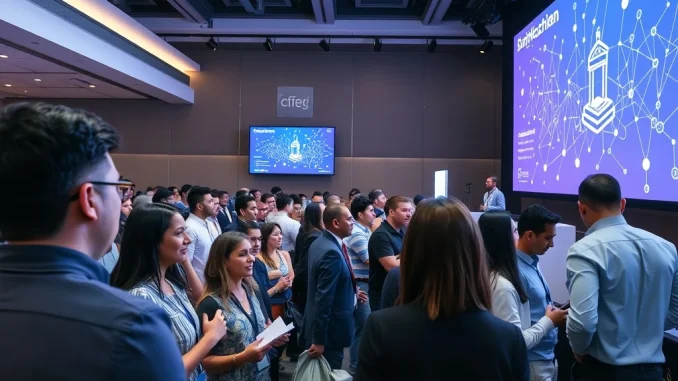
The concentration of events this week highlights the maturation of blockchain from a niche interest to a mainstream technological priority. Each region brings a distinct focus, reflecting its unique regulatory environment, adoption challenges, and economic opportunities. Industry analysts note this synchronicity often precedes significant announcements regarding protocol upgrades, strategic partnerships, and regulatory clarity. The following breakdown examines the flagship conferences, their core agendas, and their significance within the annual event calendar.
Latin America’s Leading Blockchain Conference
Latin America has emerged as a hotbed for blockchain innovation, driven by factors like remittance efficiency, financial inclusion, and currency stability challenges. The region’s premier event this week, Latam Blockchain Summit, convenes in a major financial capital. Historically, this summit has served as a launchpad for fintech solutions targeting the unbanked and has fostered crucial dialogues between innovators and regional policymakers.
- Primary Focus: Central Bank Digital Currencies (CBDCs), cross-border payments, and DeFi protocols for emerging markets.
- Key Participants: Representatives from major regional banks, fintech startups, and government financial authorities.
- Historical Context: Previous summits have directly influenced pilot programs for digital identity and asset tokenization in several countries.
The discussions here carry weight beyond technology, often touching on macroeconomic policy and social impact, demonstrating blockchain’s applied potential.
Europe’s Flagship Web3 and Digital Assets Forum
In Europe, the regulatory landscape is crystallizing with the Markets in Crypto-Assets (MiCA) framework. The European Web3 Assembly provides a platform for dissecting these regulations and their operational impact. This event typically draws a mix of enterprise blockchain teams, legal experts, and sustainability-focused projects, reflecting the EU’s dual emphasis on innovation and consumer protection.
- Primary Focus: MiCA compliance, institutional digital asset custody, and blockchain’s role in the EU’s green deal initiatives.
- Key Participants: Compliance officers from traditional finance institutions, ESG (Environmental, Social, and Governance) analysts, and public sector innovators.
- Industry Logic: Conferences in regulated markets often yield detailed case studies and white papers that set de facto standards for other regions.
The tone here is often more analytical and compliance-oriented, marking a shift from speculative discussion to practical implementation.
North America’s Developer-Centric Protocol Gathering
Simultaneously, a major developer conference takes place in North America, focusing on the foundational layer of the ecosystem: protocol infrastructure and scalability. Events like Consensus 2025 or ETHGlobal hackathons have historically been where core developers unveil network upgrades, test new consensus mechanisms, and address pressing issues like transaction throughput and cost.
These gatherings are less about finance and more about computer science. They generate the code, research, and peer reviews that form the backbone of the networks discussed elsewhere. The timeline from announcement at such an event to mainnet implementation can chart the industry’s technical progress for the coming year.
The Consequential Impact of Industry Gatherings
While often viewed as networking opportunities, these events serve concrete functions within the technology’s lifecycle. They accelerate knowledge transfer, validate real-world use cases beyond theoretical whitepapers, and provide a barometer for industry health. Venture capital firms frequently use these conferences to scout talent and gauge project traction. Furthermore, the juxtaposition of regional events allows for a comparative analysis of global adoption trends.
The collective output—through announced partnerships, published research, and developer activity—often influences market sentiment and strategic roadmaps for the subsequent quarters. They demystify complex topics through expert-led explanations, bridging the gap between technical pioneers and the broader business community.
Conclusion
The slate of blockchain events this week across Latin America, Europe, and North America underscores the technology’s global and multifaceted evolution. From fostering financial inclusion in emerging economies to navigating complex regulations in mature markets and pushing the boundaries of protocol design, these conferences collectively map the industry’s immediate priorities and long-term direction. For professionals and observers alike, understanding the themes emanating from these gatherings is essential for grasping the next phase of blockchain integration into the global digital infrastructure.
FAQs
Q1: What is the main difference between blockchain conferences in different regions?
Regional conferences typically reflect local priorities. Latin American events often focus on financial inclusion and payments, European assemblies stress regulatory compliance, and North American gatherings frequently center on core protocol development and scalability solutions.
Q2: Why are these events important for the blockchain industry?
They facilitate crucial knowledge sharing, showcase real-world applications, enable networking between developers and enterprises, and often serve as launchpads for major technical upgrades, partnerships, and regulatory announcements that shape the industry’s trajectory.
Q3: Who typically attends these major blockchain conferences?
Attendees range from core protocol developers, founders of blockchain projects, and venture capitalists to enterprise IT leaders, financial regulators, legal experts, and academics specializing in cryptography and distributed systems.
Q4: How has the focus of blockchain events changed in recent years?
The focus has shifted significantly from speculative trading and ICOs (Initial Coin Offerings) towards practical enterprise adoption, regulatory frameworks, sustainability, scalability solutions, and the development of real-world utility in sectors like supply chain, digital identity, and decentralized finance (DeFi).
Q5: Can the outcomes of these conferences influence cryptocurrency markets?
While direct short-term market movements are unpredictable, the long-term fundamentals announced at these events—such as major protocol improvements, institutional adoption news, or regulatory clarity—can significantly influence investor confidence and the strategic direction of the entire ecosystem.
Related News
- Urgent: US Treasury Intensifies Russia Sanctions Amid Global Scrutiny
- Coinbase INX Listing Roadmap: A Strategic Pivot Toward Regulated Digital Assets
- Strategic Move: Vitalik Buterin and Sam Altman to Shape Bitmine's Future at Critical Shareholder Meeting
Related: SEC Stablecoin Risk Repricing: The Game-Changing Move Accelerating TradFi Integration
Related: DOGEBALL Crypto Presale 2026: Analyzing the $0.0003 Entry Point Amid Meme Coin Evolution
Related: MWX Staking Portal Launches, Unlocking Revolutionary DeFi Utility for MWXT Token