Cache Wallet Fortifies Bitcoin Community Access Through Strategic Beatcoin Partnership
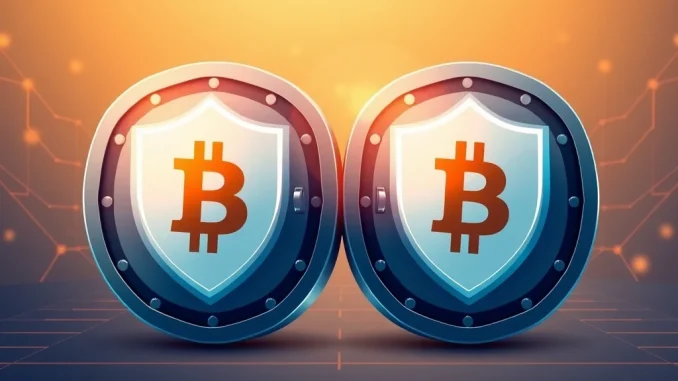
Global, March 2025: In a significant move to bolster secure participation in the Bitcoin network, Cache Wallet has announced a strategic partnership with Beatcoin. This collaboration aims to fortify community-led access and enhance the security framework for users engaging with the Bitcoin $BTC ecosystem. The initiative represents a concrete step toward addressing long-standing challenges in user onboarding and asset protection within the decentralized finance space.
Cache Wallet and Beatcoin Forge Alliance to Strengthen Bitcoin Access
The partnership between Cache Wallet, a non-custodial wallet provider emphasizing user sovereignty, and Beatcoin, a platform focused on community-driven Bitcoin education and tools, formalizes a shared mission. Both entities seek to lower barriers to entry while maintaining the highest security standards for Bitcoin holders. This alliance arrives at a pivotal moment in cryptocurrency adoption, where ease of use often conflicts with the foundational principle of self-custody. Industry analysts note that such collaborations between infrastructure and community platforms are becoming essential for sustainable ecosystem growth. They bridge the gap between technical complexity and mainstream accessibility, a challenge that has persisted since Bitcoin’s inception in 2009.
Analyzing the Drive for Secure and Community-Led Engagement
The core objective of this partnership is to create a more resilient and user-empowered pathway into the Bitcoin ecosystem. Cache Wallet brings its technical infrastructure for secure private key management, while Beatcoin contributes its community network and educational resources. This synergy targets several key areas:
- Enhanced Security Protocols: Integrating community feedback mechanisms directly into security feature development.
- Educational Onboarding: Combining wallet functionality with guided learning modules to reduce user error.
- Decentralized Governance Input: Allowing active community members to influence product development roadmaps.
- Transparent Verification: Providing clear, auditable information about transaction security and network fees.
This approach contrasts with earlier models where wallet services and community building operated in separate silos, often leading to fragmented user experiences.
The Evolution of Bitcoin Wallet Security and Community Trust
The concept of securing Bitcoin has evolved dramatically. In the early years (2009-2013), security largely meant protecting a software file on a personal computer. The rise of hardware wallets (2014 onward) introduced dedicated physical devices. Today, the focus has expanded to encompass the entire user journey—from initial purchase and storage to everyday use and inheritance planning. Trust is no longer built solely on cryptographic assurances but also on transparency, community reputation, and responsive support. Partnerships like this one attempt to institutionalize that holistic trust model. They acknowledge that security is a process supported by both technology and an informed, vigilant community, a lesson underscored by historical exchange failures and wallet vulnerabilities.
Technical and Practical Implications for Bitcoin Users
For the end-user, this collaboration is designed to translate into tangible improvements in safety and usability. Practically, users of the integrated platform can expect a more seamless flow from learning about Bitcoin to securing it. The technical integration likely involves shared APIs for secure data transmission, co-developed verification tools for addresses and transactions, and potentially unified support channels. The partnership underscores a critical industry shift: moving from merely providing a storage tool to curating a secure entry point into a broader economic system. This model emphasizes reducing single points of failure, both technical and educational, which have been responsible for significant asset losses in the past.
Broader Impact on the Cryptocurrency Ecosystem Landscape
This partnership reflects a larger trend of consolidation and strategic alignment within the cryptocurrency infrastructure sector. As regulatory clarity increases in various jurisdictions, the focus for compliant services is sharpening on security, education, and verified access. Collaborative models that pair a technical service provider with a community platform can create more robust ecosystems than either could alone. This can influence how new users perceive and enter the space, potentially setting a new standard for what constitutes a trustworthy gateway to digital assets. The success of such models could encourage similar alliances, fostering a more interconnected and resilient infrastructure layer for Bitcoin and other cryptocurrencies.
Conclusion
The partnership between Cache Wallet and Beatcoin represents a strategic effort to fortify the foundational access points to the Bitcoin ecosystem. By combining secure, non-custodial technology with community-driven engagement and education, the initiative aims to create a more protected and intuitive pathway for users. This focus on secure Bitcoin community access addresses critical needs for safety and understanding as adoption grows. The collaboration highlights an evolving industry priority: building integrated environments where security and accessibility are not competing goals but mutually reinforcing features, ultimately strengthening the entire network’s integrity and reach.
FAQs
Q1: What is the primary goal of the Cache Wallet and Beatcoin partnership?
The primary goal is to strengthen secure, community-led access to the Bitcoin ecosystem by combining Cache Wallet’s non-custodial security technology with Beatcoin’s community and educational resources, creating a more resilient and user-friendly onboarding experience.
Q2: How does this partnership enhance security for Bitcoin users?
It enhances security by integrating community feedback into security development, pairing wallet use with educational content to reduce mistakes, and fostering a transparent environment for verifying transactions and network activity, moving beyond pure technical safeguards.
Q3: What is a non-custodial wallet, and why is it important?
A non-custodial wallet, like Cache Wallet, is one where the user holds and controls their private keys. This is important because it ensures true self-custody of assets, meaning the user, not a third-party service, has ultimate control and responsibility for their Bitcoin.
Q4: How does community-led engagement differ from traditional company-led development?
Community-led engagement actively incorporates feedback, needs, and governance input from the platform’s users into its development roadmap. This contrasts with a top-down, company-led model, aiming to create tools that more directly solve real user problems and build collective trust.
Q5: Is this partnership relevant only for new Bitcoin users?
No, while it aims to improve onboarding for new users, the enhanced security features, educational resources, and community governance aspects are designed to provide value and increased protection for Bitcoin holders at all experience levels.
Related News
- Futures Liquidated: $125 Million Wiped Out in One Hour as Crypto Volatility Surges
- SPACE Tokenomics Revealed: SpaceCoin's Ambitious Satellite Network Prepares for Jan. 23 Launch
- Coinbase Delisting: Urgent Changes Impacting Six Trading Pairs
Related: Vitalik Buterin's Revolutionary Cypherpunk Layer Plan to Radically Transform Ethereum
Related: Bitcoin Leverage Craters as Traders Brace for Mounting Macroeconomic Headwinds
Related: Bitcoin Demand Finally Surges: Positive Flip After 3-Month Sideways Stalemate