Tokenized Gold Explained: The Ultimate Beginner’s Guide to Digital Gold Investment
Global, 2025: For centuries, gold has represented the ultimate store of value, a tangible asset prized for its scarcity and stability. Today, a technological revolution is merging this ancient standard with cutting-edge digital finance. Tokenized gold represents a fundamental shift, transforming physical bullion into a blockchain-based digital asset. This innovation directly addresses long-standing barriers to gold ownership, namely the logistical challenges of secure storage and the persistent risk of theft. This guide provides a comprehensive, factual explanation of tokenized gold, designed specifically for beginners entering this evolving sector of digital finance.
What is Tokenized Gold? A Foundational Explanation
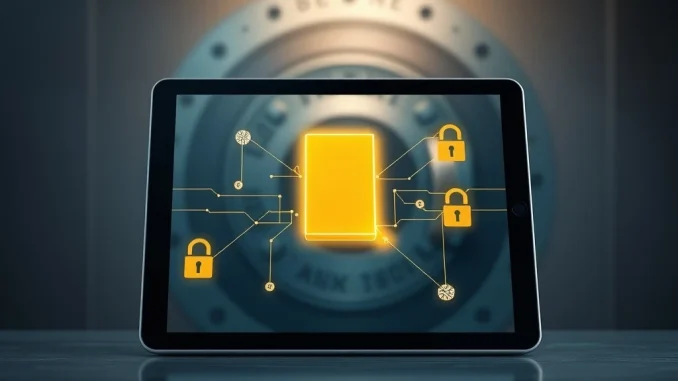
At its core, tokenized gold is a digital representation of physical gold ownership. Each digital token, issued on a blockchain network, corresponds to a specific amount of real, physical gold held in insured, high-security vaults. The blockchain acts as an immutable digital ledger, recording every token’s creation, ownership, and transaction. This process, known as tokenization, converts the value of a physical asset into a digital token that can be bought, sold, or transferred with the speed and efficiency of cryptocurrency. Crucially, the system’s integrity relies on regular, independent audits of the vaulted gold reserves, ensuring the digital tokens in circulation are fully backed at all times. This model bridges the tangible world of commodity investing with the fluid, global nature of digital asset markets.
The Mechanics: How Digital Gold Tokens Actually Work
The operational framework for tokenized gold involves several key participants and processes. First, a custodian, often a regulated financial institution or specialized vaulting company, acquires and stores the physical gold in secure facilities, frequently located in financial hubs like Switzerland, Singapore, or London. An issuer then creates digital tokens on a chosen blockchain, such as Ethereum or a dedicated gold chain, pegging each token to a fixed weight of gold, commonly one gram or one troy ounce. Investors purchase these tokens through dedicated platforms or exchanges. When a token is sold or transferred, the blockchain records the change in ownership, but the underlying gold remains stationary in the vault. This structure provides several distinct advantages:
- Fractional Ownership: Investors can own a fraction of a gold bar, making the asset accessible without the capital required for a full bar or coin.
- Global Liquidity: Tokens can be traded 24/7 on compatible digital asset platforms, unlike physical gold markets which have set hours.
- Transparent Provenance: Blockchain technology provides a transparent and unchangeable record of the gold’s backing and token ownership history.
The Historical Context: From Gold Standards to Digital Ledgers
The concept of representing gold ownership without physical possession is not new. For decades, gold certificates and exchange-traded funds (ETFs) like the SPDR Gold Shares (GLD) have served this purpose within traditional finance. Tokenized gold is a direct evolution of this idea, leveraging blockchain technology to enhance transparency, reduce intermediary costs, and increase accessibility. While ETFs are traded on stock exchanges during market hours and involve layers of financial intermediaries, tokenized gold operates on decentralized networks, potentially lowering fees and enabling direct, peer-to-peer transfer of ownership. This evolution mirrors the broader trend of asset tokenization, which is applying blockchain’s efficiency to real-world assets from real estate to fine art.
Addressing Core Concerns: Storage, Security, and Trust
The primary value proposition of tokenized gold, as highlighted in the initial brief, is the elimination of storage and theft concerns for the end investor. When an individual buys physical gold, they bear the full responsibility and cost for secure storage, whether through a safe deposit box, a home safe, or a private vaulting service—each option carrying inherent risks and expenses. With tokenized gold, this burden transfers to the professional custodian. These entities utilize institutional-grade security measures, including:
- Geographically dispersed, high-security vaults with biometric access controls.
- Comprehensive insurance policies that cover the full value of the stored bullion.
- Continuous auditing by third-party firms to verify the existence and purity of the gold.
The investor holds only the private keys to their digital wallet containing the tokens, not the physical metal. This separation significantly reduces the risk of physical loss or theft for the individual. Trust is therefore placed not in one’s own security apparatus, but in the transparency of the blockchain ledger and the reputation/regulation of the custodian and issuer.
Evaluating the Landscape: Key Providers and Token Models
Several prominent projects have established themselves in the tokenized gold space, each with slightly different models. It is crucial for beginners to understand these distinctions. Some tokens are issued by fintech companies partnering with bullion dealers, while others are launched by traditional financial institutions exploring digital assets. The backing ratio—whether each token is backed 1:1 by allocated (specific bars) or unallocated (pool of gold) bullion—is a critical differentiator. Allocated gold provides stronger ownership rights. Furthermore, the regulatory status of the issuer varies by jurisdiction, affecting investor protection. Beginners should prioritize projects that publish regular proof-of-reserves audits from reputable accounting firms, a practice that has become a standard for demonstrating trustworthiness in the digital asset sector.
Practical Implications for the Modern Investor
For a new investor, tokenized gold opens a previously complex asset class. It allows for the inclusion of gold as a non-correlated, inflationary hedge within a diversified digital investment portfolio. The ability to transfer value globally in minutes, settle transactions without traditional banking delays, and hold an asset that is not tied to any single country’s monetary policy are powerful features. However, it also introduces new considerations, such as understanding blockchain transaction fees (gas fees), securing a non-custodial digital wallet, and navigating the regulatory environment for digital assets in one’s home country. The learning curve involves both basic gold investment principles and fundamental digital asset literacy.
Conclusion
Tokenized gold represents a significant innovation at the intersection of traditional finance and blockchain technology. By digitizing ownership of physical gold stored in secure vaults, it effectively removes the practical burdens of storage and security that have long deterred some investors. For beginners, it offers a accessible, liquid, and transparent avenue to gain exposure to gold’s time-tested value. As with any financial instrument, due diligence is paramount—understanding the issuer, the custodian, the audit process, and the underlying technology is essential. This digital evolution of a primordial asset class is not merely a novelty; it is a substantive step towards a more integrated and efficient global financial system, making the enduring value of gold available in a thoroughly modern form.
FAQs
Q1: Is my tokenized gold investment safe if the issuing company goes bankrupt?
Answer: The safety depends on the legal structure. In robust models, the physical gold is held in a legally separate, bankruptcy-remote entity (like a trust) solely for the benefit of token holders. If the operating company fails, the gold assets are not part of its liquidation estate and should be returned to token holders or a new administrator. Always verify the specific legal framework.
Q2: Can I redeem my digital gold tokens for physical gold bars?
Answer: Redemption policies vary by issuer. Some platforms offer direct redemption, where you can exchange a minimum number of tokens (e.g., equivalent to a 1kg bar) for physical delivery, often for a fee. Others are designed purely for digital ownership and trading, with no physical redemption option. This is a key feature to check before investing.
Q3: How does tokenized gold differ from a Gold ETF?
Answer: Both provide exposure without physical handling. Key differences include: ETFs trade on stock exchanges during market hours; tokens trade on digital asset platforms 24/7. ETF settlement takes days (T+2); token transfers are near-instant. ETFs involve brokers and custodians; tokens can be held in a personal wallet. ETFs are highly regulated traditional securities; token regulations are still evolving.
Q4: What are the tax implications of owning tokenized gold?
Answer: Tax treatment varies widely by country. In many jurisdictions, tokenized gold may be treated as a capital asset (like a stock or a cryptocurrency) for Capital Gains Tax, not as a collectible. Some regions may treat it similarly to physical gold. It is imperative to consult with a tax professional familiar with both digital assets and commodity investments in your specific location.
Q5: What are the main risks associated with tokenized gold?
Answer> Primary risks include: Custodial Risk (failure or fraud by the vault/custodian), Technology Risk (smart contract bugs, wallet loss, exchange hacks), Regulatory Risk (changing laws affecting digital assets), and Liquidity Risk (on smaller platforms). Mitigating these involves choosing audited, reputable issuers, using secure self-custody wallets, and staying informed on regulations.
Related News
- Bitmine Stakes a Staggering $887M More in ETH: A Bold Bet on Ethereum's Future
- Turkish Lira's Crypto Volume Market Share Hits All-time High
- Altcoin 120-Day Cycle Reveals Crucial Market Shift on the Horizon
Related: UNUS SED LEO and Gold Tokens Surge as Investors Seek Deflationary Havens
Related: Uniswap Proposal Unveils Ambitious Plan to Activate Protocol Fees on All V3 Pools
Related: Essential Analysis: Bitcoin Hyper's Solana VM Strategy and DeepSnitch AI's Presale Mechanics