XRP Rebound: 50% Surge Fueled by Negative Funding, Falling Reserves, and ETF Inflows Signals Potential Bottom
Global Cryptocurrency Markets, February 2025: The XRP token has staged a dramatic 50% price rebound from a 15-month low, a move that market analysts are linking to a confluence of critical on-chain and derivatives metrics. The recovery, which saw XRP surge to a high of $1.67 from a February 6th low of $1.12, is being scrutinized for signs of a sustainable market bottom. Three key factors—persistently negative funding rates, a continued decline in exchange-held reserves, and steady inflows into cryptocurrency exchange-traded funds (ETFs)—are providing a technical foundation for this potential reversal narrative.
XRP Rebound: Analyzing the 50% Recovery from Multi-Month Lows
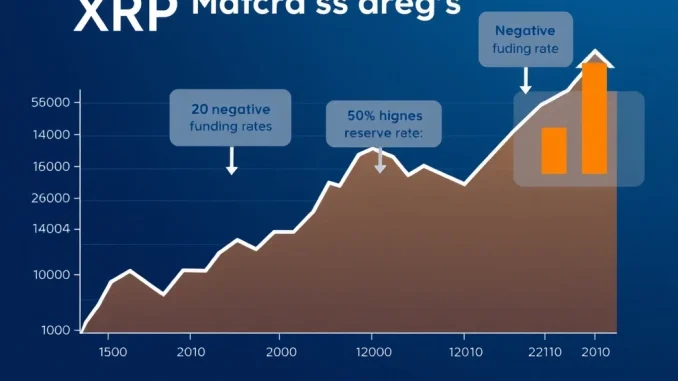
The cryptocurrency market in early February 2025 presented a landscape of significant pressure for many digital assets, with XRP being no exception. The token printed a low of $1.12 on February 6th, a price point not seen since late 2023. This decline was part of a broader corrective phase that affected the sector. However, the subsequent price action was notably sharp. Within a condensed timeframe, buyer interest returned with substantial force, propelling XRP’s value upward by approximately 50% to reach a local peak of $1.67. This kind of volatility is characteristic of cryptocurrency markets but often requires examination beyond simple price charts to understand the underlying shifts in market structure and participant sentiment that may have precipitated the move.
The Role of Negative Funding Rates in Market Sentiment
In perpetual swap markets, funding rates are a critical mechanism that ensures the contract price stays aligned with the spot price. A persistently negative funding rate indicates that a majority of traders are holding short positions and are paying a fee to those holding long positions. For XRP, an extended period of negative funding throughout its downtrend and at its lows can be interpreted as a classic contrarian signal. When bearish sentiment becomes excessively crowded, as reflected in these rates, even a slight shift in momentum can trigger a rapid unwinding of those short positions. This phenomenon, known as a “short squeeze,” involves short sellers being forced to buy back the asset to cover their positions, which can accelerate upward price movements. The negative funding environment for XRP prior to its rebound created the technical conditions for such a squeeze, contributing fuel to the recovery.
Historical Precedents and Market Mechanics
This dynamic is not unique to XRP. Historical analysis across various crypto assets shows that prolonged periods of extreme negative funding often coincide with or precede local market bottoms. The logic is rooted in market psychology: when the cost to bet against an asset becomes a consistent expense and the trade becomes overly popular, the risk/reward flips. The market has effectively priced in the pessimism. Any positive catalyst or reduction in selling pressure can then lead to a violent re-pricing as the crowded trade reverses.
Falling Exchange Reserves and Supply Dynamics
Parallel to the derivatives data, on-chain metrics provided a supportive narrative. A consistent decline in XRP held on centralized exchange wallets is a metric closely watched by analysts. Exchange reserves represent the readily available supply for selling. When these reserves decrease, it suggests that holders are moving tokens into private custody (cold wallets) with a longer-term intent, a behavior often described as “accumulation” or a reduction in immediate sell-side pressure.
- Reduced Liquid Supply: Fewer tokens on exchanges mean a thinner order book on the sell side, which can amplify upward price moves as buyers encounter less immediate supply.
- Holder Sentiment: Withdrawing assets from an exchange is typically a manual process indicating a decision not to sell in the near term. A sustained trend of outflows can signal growing conviction among existing holders.
- Data Verification: This trend is verifiable through public blockchain explorers and analytics platforms that track exchange wallet balances, adding a layer of objective data to the price action.
The combination of negative funding (crowded shorts) and falling exchange reserves (reduced readily available supply) creates a potent technical setup where buying pressure meets diminished immediate resistance.
Cryptocurrency ETF Inflows as a Macro Backdrop
While XRP itself is not currently a direct holding in major U.S.-listed spot Bitcoin or Ethereum ETFs, the flows into these investment vehicles create a significant macro backdrop for the entire digital asset class. Steady or increasing inflows into products like the spot Bitcoin ETFs demonstrate sustained institutional and retail investor interest in gaining crypto exposure through regulated, traditional finance channels. This sustained capital inflow provides a base layer of support and legitimacy to the sector.
The effect is twofold. First, it improves overall market liquidity and sentiment, which benefits correlated assets like XRP. Second, it fosters an environment where capital may rotate into other tokens perceived as having value or catching up, especially after significant underperformance. The narrative of a “rising tide lifts all boats,” while not always precise, reflects how positive momentum in major assets like Bitcoin can shift sentiment across the board, providing a tailwind for recoveries in assets like XRP.
The Regulatory Context and Future Product Potential
Analysts also note that the successful operation of Bitcoin and Ethereum ETFs keeps the door open for future products tied to other digital assets, subject to regulatory approval. This long-term potential can influence trader perspectives on assets like XRP, factoring in future accessibility for a broader investor base.
Putting the Signals in Context: Is This a Sustainable Bottom?
It is crucial to analyze these signals with appropriate caution. While negative funding, falling reserves, and positive ETF flows create a compelling technical picture for a potential bottom, they do not guarantee a one-way move upward. Market bottoms are processes, not points. They are often characterized by increased volatility and require confirmation over time.
The 50% rebound is a strong initial move, but its sustainability will depend on several factors: whether the negative funding rates normalize without causing a sharp reversal, if exchange reserves continue to trend downward or stabilize, and if broader cryptocurrency market conditions remain supportive. Furthermore, asset-specific developments, including legal and regulatory news pertaining to Ripple Labs, continue to be a significant driver for XRP price discovery independent of these technical metrics.
Conclusion
The 50% XRP rebound from its February 2025 low presents a multifaceted case study in modern cryptocurrency market dynamics. The move was not an isolated price spike but was accompanied by identifiable technical and on-chain factors that often accompany trend reversals. The convergence of persistently negative funding rates, a decline in exchange-held reserves, and a supportive macro environment of ETF inflows provided a triad of signals that a potential market bottom may be forming. For market participants, this episode underscores the importance of looking beyond simple price charts to derivatives data, on-chain supply shifts, and broader capital flows to understand the underlying mechanics of cryptocurrency price action. While the future path remains uncertain, the conditions that supported this XRP rebound offer a clear example of how complex market factors can align to catalyze significant price movements.
FAQs
Q1: What does a negative funding rate mean for a cryptocurrency like XRP?
A negative funding rate in perpetual swap markets means traders with short positions are paying a periodic fee to traders with long positions. It often indicates a market overly skewed toward bearish bets, which can set the stage for a short squeeze if the price begins to rise.
Q2: Why are falling exchange reserves considered a bullish signal?
Falling exchange reserves suggest holders are moving tokens off trading platforms into private wallets, reducing the immediately available supply for sale. This can decrease sell-side pressure and make the market more susceptible to upward moves from buying demand.
Q3: How do Bitcoin ETF inflows affect other cryptocurrencies like XRP?
Substantial inflows into Bitcoin ETFs signal sustained institutional and retail interest in the crypto asset class as a whole. This improves overall market sentiment, liquidity, and legitimacy, which can create a positive backdrop and capital rotation opportunities for other digital assets, including XRP.
Q4: Does a 50% rebound guarantee that the price decline is over?
No, a sharp rebound does not guarantee a lasting bottom. While it indicates strong buying interest at a specific level, sustainable recovery requires confirmation over time, including stabilization of key metrics and supportive broader market conditions.
Q5: What other factors should be considered alongside these technical signals for XRP?
Beyond derivatives and on-chain data, XRP’s price is significantly influenced by the ongoing legal and regulatory developments involving Ripple Labs, overall cryptocurrency market trends, macroeconomic conditions, and adoption news related to its payment network technology.
Related News
- Nifty Gateway Shutdown: Shocking Closure of Major NFT Platform Rocks Digital Art World
- Crucial: Vitalik Buterin's Latest Donation Fuels Zcash's Crosslink Security Overhaul
- Crypto Community Abuzz For July
Related: Spartans Casino's 33% Cashback Upends Online Slots as Pulsz and RealPrize Rely on Sweepstakes
Related: Essential Crypto Presales for 2026: Analyzing ZKP Crypto, BlockchainFX, Bitcoin Hyper, and Pepeto