Blockchain Adoption Soars: From Jet Engines to Government Bonds in Weekly Crypto Recap
Global, May 2025: While cryptocurrency markets experienced another week of price volatility, a more significant and enduring trend emerged beneath the surface. The narrative of blockchain technology is decisively shifting from speculative digital tokens to tangible, real-world utility. This week’s developments highlight a powerful expansion, with blockchain protocols now managing everything from jet engine leases to sovereign debt instruments, signaling a maturation phase where adoption, not speculation, drives the next chapter.
Blockchain Adoption Defies Market Volatility
The past seven days presented a familiar story for digital asset prices, with major cryptocurrencies like Bitcoin and Ethereum facing downward pressure. However, focusing solely on price charts misses the fundamental transformation occurring in the sector. Industry analysts and on-chain data reveal accelerating growth in tokenized real-world assets (RWAs). This process involves creating digital tokens on a blockchain that represent ownership or a claim on physical or traditional financial assets. The total value locked in RWA protocols across major blockchains like Ethereum, Solana, and Polygon has shown consistent quarterly growth, unaffected by short-term crypto market sentiment. This divergence between price action and infrastructure adoption underscores a critical evolution: blockchain is becoming an operational technology, not just a financial asset.
The Tangible Expansion of Tokenized Real-World Assets
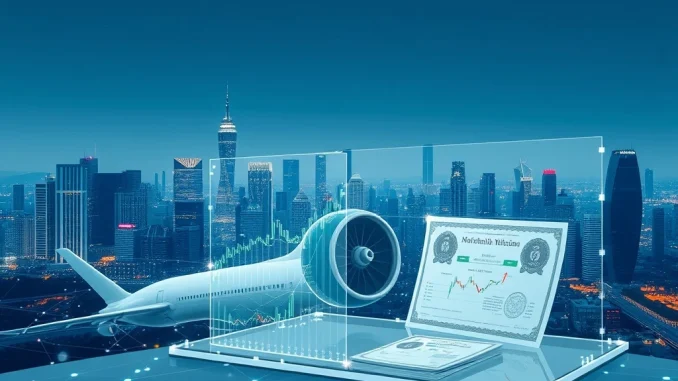
Tokenization is moving far beyond its initial use cases in digital art and collectibles. This week provided concrete examples of its broadening scope. In the aviation sector, a major European lessor completed a pilot transaction tokenizing a portion of a jet engine lease portfolio on a private blockchain. This allows for fractional ownership, increased liquidity for a typically illiquid asset class, and automated compliance through smart contracts. Simultaneously, the government of a Southeast Asian nation announced the successful settlement of a tranche of its short-term treasury bonds on a distributed ledger platform. This follows similar initiatives by institutions like the European Investment Bank and the Hong Kong Monetary Authority. The table below illustrates the diversity of assets now entering the tokenization pipeline.
| Asset Class | Example of Recent Activity | Primary Blockchain Used |
|---|---|---|
| Government Debt | Sovereign bond issuance and settlement | Permissioned DLT |
| Commercial Assets | Aviation leases, real estate fractions | Ethereum, Private Chains |
| Private Credit | Tokenized private equity and venture debt | Polygon, Avalanche |
| Commodities | Digital gold, carbon credits, metals | Multiple Public Chains |
The drivers for this expansion are multifaceted. For asset owners, tokenization promises:
- Enhanced Liquidity: Converting illiquid assets into tradable digital tokens.
- Fractionalization: Lowering the barrier to entry for high-value investments.
- Operational Efficiency: Automating processes like interest payments, compliance, and settlement through programmable smart contracts, reducing costs and errors.
Understanding the Technology Behind RWA Growth
The ability to tokenize a jet engine or a bond relies on a stack of interoperating technologies. At its core, a smart contract—a self-executing code on a blockchain—holds the legal and financial logic governing the asset. Oracles, secure data feeds, provide real-world information (like interest rates or maintenance records) to the blockchain. Finally, the legal framework ensures the digital token’s rights are enforceable in traditional courts. This technological and legal convergence, which has taken nearly a decade to mature, is now enabling these high-profile use cases. The growth this week is not a sudden boom but the visible result of sustained institutional research and development.
Market Implications and Long-Term Trajectory
The expansion of blockchain into real-world assets carries profound implications for traditional finance (TradFi) and the crypto ecosystem. For TradFi, it represents both a competitive challenge and an efficiency opportunity. Major financial institutions are no longer merely observing; they are actively building or partnering with blockchain firms to avoid disintermediation. For the crypto industry, it provides a stabilizing counterweight to pure speculative activity. RWA yields can offer “real yield” to decentralized finance (DeFi) protocols, attracting capital seeking returns backed by tangible assets rather than algorithmic mechanisms. This fusion, often called “TradFi-DeFi,” is becoming a central theme for 2025, suggesting that future crypto market cycles may be less volatile as they are underpinned by income-generating, real-world economic activity.
Conclusion
The weekly narrative in cryptocurrency is often dominated by price fluctuations. However, the most compelling story of the past week is one of quiet, determined blockchain adoption beyond its financial origins. The tokenization of assets as complex as jet engines and as foundational as government bonds demonstrates the technology’s growing robustness and institutional acceptance. While crypto prices may rise and fall, the steady growth of tokenized real-world assets marks a pivotal shift toward utility and integration with the global economy. This trend confirms that blockchain’s ultimate value lies not in creating new forms of money alone, but in bringing unprecedented efficiency, transparency, and accessibility to the world’s existing financial and physical assets.
FAQs
Q1: What are tokenized real-world assets (RWAs)?
Tokenized real-world assets are physical or traditional financial assets (like real estate, bonds, or commodities) whose ownership rights are represented by digital tokens on a blockchain. These tokens can be traded, fractionalized, and managed through smart contracts.
Q2: Why does RWA growth matter if crypto prices are down?
RWA growth indicates fundamental, utility-driven adoption of blockchain technology, separate from speculative trading. It shows institutions are building long-term infrastructure based on blockchain’s efficiency benefits, which can stabilize and legitimize the broader ecosystem regardless of short-term price movements.
Q3: How does tokenizing a jet engine work?
A legal entity holds ownership of the jet engine. A digital token is then issued on a blockchain, with its smart contract encoding the legal rights, lease payments, and maintenance obligations. Investors can buy fractions of this token, gaining exposure to the asset’s revenue without needing to buy the entire engine.
Q4: Are tokenized government bonds safe?
They are as safe as the underlying government bond and the legal structure backing the token. The blockchain acts as a new, potentially more efficient settlement and record-keeping layer. The credit risk remains with the issuing government, not the technology.
Q5: What is the main challenge for wider RWA adoption?
The primary challenges are regulatory clarity and the integration of legacy legal systems with blockchain-based ownership. Establishing universal standards for how these digital tokens are recognized under existing financial and property laws is the current focus for industry and regulators.
Related News
- Bitcoin Price Plummets: Key Support at $75,000 Breached as BTC Trades Below Critical Level
- Ethereum Whales Defy Fear with Strategic Accumulation as Price Crashes Below Critical Level
- DeFi Development Stuns Community with dogwifhat Validator Nodes on Solana
Related: XRP Price Prediction: Analyzing the $1.50 Resistance and DeepSnitch AI's Market Entry
Related: Bitcoin's $70K Wall: The Hidden Forces Keeping BTC Rangebound
Related: Machi Big Brother Defiantly Bets on Market Recovery Despite Staggering $27.8M in Losses