RWA Market on Solana Shatters Records with $1.66B Milestone, Signaling Explosive 90.1% Growth
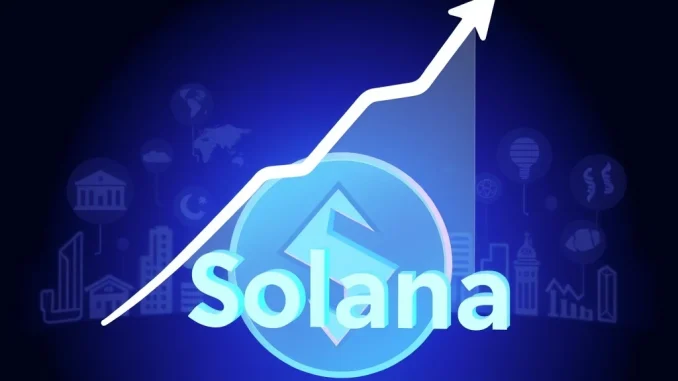
Global, May 2025: The blockchain sector witnesses a pivotal moment as the market for tokenized real-world assets (RWA) on the Solana network hits a monumental all-time high of $1.66 billion. This figure represents a staggering 90.1% increase in just one month, a surge that analysts interpret as a clear signal of deepening institutional interest and validation for Solana’s high-throughput infrastructure as a viable home for asset tokenization.
RWA Market on Solana Reaches Unprecedented Valuation
The $1.66 billion total value locked (TVL) in real-world assets on Solana is not an isolated data point. It culminates a period of accelerated adoption that began in late 2024. This milestone places Solana firmly among the leading blockchains for RWA development, a sector that bridges traditional finance (TradFi) with decentralized protocols. The near-doubling of value within a single month underscores a rapid shift in both capital allocation and technological preference. Market data aggregators and blockchain analytics firms independently verified the figure, tracking inflows into specific RWA protocols and the minting of tokenized asset representations on-chain. This growth trajectory starkly contrasts with more gradual adoption curves seen in other blockchain subsectors, highlighting the unique demand drivers behind asset tokenization.
Decoding the 90.1% Monthly Growth Surge
Several concurrent factors explain the explosive monthly growth. Primarily, a wave of new institutional-grade products launched on Solana-based platforms. These are not speculative tokens but digital representations of tangible, income-generating assets.
- Tokenized U.S. Treasury Products: Platforms like Maple Finance and others expanded offerings, allowing global investors to gain exposure to U.S. debt yields through blockchain-native tokens, with Solana’s low fees making small increments viable.
- Real Estate Fractionalization: Several pilot projects moved from testnet to mainnet, tokenizing portions of commercial properties. This unlocks liquidity for a traditionally illiquid asset class.
- Private Credit and Debt Instruments: Institutions are increasingly using Solana to issue and manage tokenized private debt, streamlining settlement and enabling programmable compliance features.
- Infrastructure Maturation: The development of robust oracle networks providing reliable off-chain data (like property valuations or bond prices) and improved regulatory technology (RegTech) solutions has reduced technical and compliance barriers.
The growth is also comparative. The following table illustrates Solana’s positioning in the broader RWA landscape across major blockchains based on recent quarterly growth rates:
| Blockchain | Q4 2024 RWA TVL | Q1 2025 RWA TVL | Quarterly Growth |
|---|---|---|---|
| Ethereum | $4.8B | $5.9B | +22.9% |
| Solana | $0.87B | $1.66B | +90.1% |
| Polygon | $1.1B | $1.4B | +27.3% |
| Avalanche | $0.65B | $0.82B | +26.2% |
Institutional Adoption: From Experiment to Strategic Allocation
The narrative has evolved from mere experimentation. Asset managers, hedge funds, and even corporate treasuries are now allocating portions of their portfolios to tokenized RWAs on Solana for strategic reasons. The primary driver is yield generation in a digital format, often superior to traditional savings vehicles. Furthermore, the inherent programmability of these assets allows for automated functions like instant dividend distributions or collateralization in decentralized finance (DeFi) lending markets without intermediary delays. This creates a composable financial layer that traditional systems cannot easily replicate. The speed and low cost of the Solana network are critical enablers here, making transactions and portfolio rebalancing economically feasible at scale.
The Technical and Regulatory Backbone of Solana’s RWA Rise
Solana’s technical architecture provides a compelling case for RWA tokenization. Its capability to process thousands of transactions per second (TPS) at a fraction of a cent addresses two major pain points in finance: settlement latency and operational cost. For institutions moving large volumes or managing micro-transactions across thousands of token holders, this efficiency is paramount. On the regulatory front, the ecosystem has seen increased engagement. Projects are proactively working with legal frameworks to ensure compliance, often structuring tokens as securities under existing regulations or utilizing specific legal wrappers for real estate. This proactive stance, rather than operating in a gray area, is building trust with institutional partners who require regulatory clarity before committing significant capital.
Historical Context and the Broader Tokenization Trend
The concept of tokenizing real-world assets is not new. The first major waves occurred on Ethereum around 2018-2020, focusing on art and collectibles (NFTs) and some early real estate experiments. However, these were often hampered by high gas fees and network congestion. The current cycle, beginning in earnest in 2023, is characterized by a focus on institutional debt, treasury products, and scalable infrastructure. Solana, having solidified its network reliability and developer ecosystem post-2022, entered this cycle at an opportune moment. Its growth mirrors a broader macro trend where aging financial infrastructure pushes both innovators and incumbents toward blockchain-based solutions for issuance, custody, and trading.
Implications for the Future of Finance and Blockchain Utility
The record-breaking growth of Solana’s RWA market has significant implications. First, it validates a use case for blockchain technology that extends far beyond cryptocurrency speculation, anchoring utility in the digitization of global real-world value. Second, it positions Solana as a serious contender for the future of financial market infrastructure, competing with both other blockchains and traditional financial rails. Third, it accelerates the convergence of TradFi and DeFi, potentially leading to hybrid models where regulated entities use public blockchains for settlement. The rapid growth also brings challenges, including the need for even more robust security audits for RWA protocols, evolving regulatory standards, and ensuring decentralization is not sacrificed for institutional convenience.
Conclusion
The ascent of the RWA market on Solana to a $1.66 billion all-time high, fueled by 90.1% monthly growth, marks a definitive inflection point. It demonstrates that the tokenization of real-world assets is moving beyond pilot phases into a period of scalable, institutional adoption. Solana’s performance highlights how technical advantages in speed and cost can capture significant market share in the burgeoning blockchain finance sector. This milestone matters because it provides tangible evidence of blockchain’s capacity to reshape foundational aspects of global finance, making markets more liquid, accessible, and efficient. The trajectory suggests that RWAs may become one of the primary value drivers and utility proofs for public blockchain networks in the coming years.
FAQs
Q1: What are Real-World Assets (RWAs) in crypto?
A1: Real-World Assets (RWAs) are tangible or traditional financial assets that are represented as digital tokens on a blockchain. Examples include tokenized real estate, government bonds, private credit, commodities, and even invoices. The token acts as a digital certificate of ownership or a claim on the underlying asset.
Q2: Why is Solana seeing such rapid growth in RWAs compared to other blockchains?
A2: Solana’s growth is largely attributed to its high transaction throughput and very low fees. For institutions managing frequent settlements or micro-transactions across thousands of token holders, this cost-effectiveness and speed make it an operationally viable platform. Its technical maturity and growing developer ecosystem for financial applications have also been key factors.
Q3: Is the $1.66 billion the actual value of the physical assets?
A3: Yes, in principle. The $1.66 billion Total Value Locked (TVL) represents the aggregate value of the underlying real-world assets that have been tokenized and deposited into Solana-based protocols. This value is typically backed by off-chain legal structures and custodied assets, with on-chain tokens representing ownership rights.
Q4: What are the main risks associated with investing in tokenized RWAs?
A4: Key risks include smart contract vulnerabilities in the issuing platform, potential regulatory changes affecting the asset’s legal status, counterparty risk related to the off-chain custodian or issuer, and the liquidity risk of the secondary trading market for the tokenized asset. Due diligence is essential.
Q5: How does this growth impact the average cryptocurrency investor?
A5: For the broader crypto investor, the growth of RWAs on Solana and elsewhere signifies a major expansion of blockchain utility, which can drive long-term network adoption and value. It also creates new investment vehicles within the crypto ecosystem, such as earning yield from tokenized treasury bonds, which were previously inaccessible to many retail investors through traditional channels.
Related News
- Bitcoin's Ninth 50% Pullback Reveals Crucial Market Shift Toward Institutional Durability
- Pepe Unchained Nears Presale Conclusion, Pepeto Prepares for Utility-Driven Growth
- APEPE Coinone Event: Unleashes Exciting Daily Arena Rewards on South Korean Exchange
Related: Groundbreaking Bitcoin Reserve Bill Proposes 0% Capital Gains Tax and Federal BTC Payments
Related: AAVE Signals Bullish Reversal: Strong Protocol Fundamentals Drive a Major 2026 Breakout