Critical Ethereum/Bitcoin Pair Analysis: Low Volatility Signals Imminent Market Tension
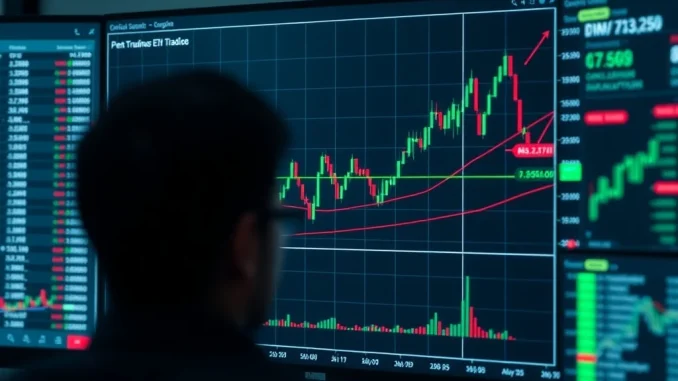
Global Markets, May 2025: The Ethereum/Bitcoin trading pair has reached a critical juncture that market analysts are watching closely. The ETH/BTC ratio, a key indicator of relative strength between the two largest cryptocurrencies by market capitalization, shows concerning signs of compression and declining volatility. This technical pattern typically precedes significant market movements, with current conditions suggesting potential weakness in Ethereum’s position against Bitcoin’s dominance.
Understanding the Critical Ethereum/Bitcoin Pair Level
The ETH/BTC trading pair represents the relative value of Ethereum measured in Bitcoin terms. When this ratio rises, Ethereum outperforms Bitcoin. When it falls, Bitcoin demonstrates stronger performance. Currently, the pair trades within a narrowing range that technical analysts describe as a “compression pattern.” This pattern emerges when volatility decreases significantly, creating tension in the market that typically resolves with a decisive breakout in either direction.
Historical data reveals that similar compression periods in the ETH/BTC pair have preceded substantial market movements. The current trading range represents a multi-month consolidation phase that began in early 2025. Market participants monitor this level because it coincides with historical support zones that have previously determined medium-term trends between the two cryptocurrencies.
Technical Analysis of Current Market Conditions
Several technical indicators converge to create the current critical situation. The Bollinger Bands, which measure volatility, show their narrowest width in six months. This indicates exceptionally low volatility, a condition that professional traders recognize as potentially unstable. The Relative Strength Index (RSI) for the ETH/BTC pair hovers near neutral territory but shows a gradual downward bias over recent weeks.
Key support and resistance levels define the current trading range:
- Immediate Support: 0.052 BTC level that has held through three previous tests
- Critical Support: 0.048 BTC representing the 2024 low
- Resistance: 0.058 BTC marking the upper boundary of the current range
- Volume Profile: Shows decreasing trading volume during consolidation
The 50-day and 200-day moving averages have converged significantly, creating what technical analysts call a “moving average squeeze.” This condition often precedes substantial price movements as it represents a period of equilibrium between buyers and sellers that cannot persist indefinitely.
Market Structure and Decreasing Relative Strength
Market structure analysis reveals concerning patterns for Ethereum relative to Bitcoin. The decreasing relative strength manifests in several observable market behaviors. First, Bitcoin has demonstrated stronger resilience during recent market-wide corrections. Second, Ethereum’s trading volume relative to Bitcoin has declined approximately 15% over the past month. Third, options market data shows increasing demand for Bitcoin put protection relative to Ethereum.
The derivatives market provides additional context. Bitcoin futures maintain healthier funding rates compared to Ethereum futures, suggesting stronger institutional demand for Bitcoin exposure. Open interest ratios also favor Bitcoin, with the cryptocurrency maintaining a higher percentage of total crypto derivatives open interest throughout 2025.
Historical Precedents and Market Psychology
Historical analysis of the ETH/BTC pair reveals patterns that inform current expectations. Previous compression phases of similar duration and magnitude have resolved with movements averaging 25-40% in the direction of the breakout. The current pattern most closely resembles the consolidation period of late 2022, which resolved with Ethereum underperforming Bitcoin by approximately 30% over the subsequent three months.
Market psychology during low volatility periods follows recognizable patterns. Traders typically become increasingly cautious as ranges narrow, reducing position sizes and waiting for clearer directional signals. This behavior itself contributes to the tension that eventually produces the breakout. The current market sentiment, as measured by various sentiment indicators, shows increasing neutrality with a slight bearish bias toward Ethereum relative to Bitcoin.
Fundamental Factors Influencing the Pair
Beyond technical patterns, fundamental developments influence the ETH/BTC dynamic. Ethereum’s network upgrade timeline, particularly the continued development of scalability solutions, affects its relative valuation. Bitcoin, meanwhile, benefits from increasing institutional adoption through spot ETF products and regulatory clarity in major markets.
Network activity metrics show diverging trends. Ethereum’s daily active addresses have plateaued in recent months while maintaining steady growth. Bitcoin’s active address count shows more volatility but stronger growth during market rallies. Transaction fee revenue, an important metric for network health, shows Bitcoin maintaining higher daily fees despite Ethereum’s more complex smart contract capabilities.
| Metric | Ethereum | Bitcoin |
|---|---|---|
| Daily Transactions | 1.2 million | 650,000 |
| Average Transaction Fee | $3.50 | $4.20 |
| Network Revenue | $18 million | $32 million |
| Active Addresses | 450,000 | 950,000 |
Potential Scenarios and Market Implications
Market analysts outline several potential scenarios based on current conditions. A breakdown below critical support at 0.048 BTC could signal sustained Ethereum underperformance. This scenario would likely correspond with Bitcoin strengthening its market dominance percentage, potentially approaching or exceeding 55% from current levels around 52%.
Conversely, a breakout above resistance at 0.058 BTC would indicate renewed Ethereum strength. This scenario would likely involve catalysts such as successful implementation of key Ethereum upgrades or increased decentralized finance (DeFi) activity. Historical patterns suggest that sustained moves above this level could target the 0.065-0.070 BTC range.
The most immediate concern among analysts involves the potential for increased volatility regardless of direction. Low volatility environments like the current one often produce exaggerated movements when ranges finally break. Risk management becomes particularly important during these periods, as false breakouts and whipsaw price action can challenge trading strategies.
Institutional Perspective and Market Positioning
Institutional positioning provides additional context for the current market tension. According to exchange flow data, institutional entities have shown net Bitcoin accumulation throughout the compression period while maintaining neutral-to-negative flows for Ethereum. Options market positioning reveals increased demand for Bitcoin call options relative to Ethereum, suggesting institutional preference for Bitcoin exposure in potential upward moves.
Market makers and liquidity providers have adjusted their strategies in response to the low volatility environment. Spreads have tightened significantly, reflecting increased competition for order flow. However, depth on both sides of the order book has decreased, indicating reduced willingness to take substantial positions before clearer directional signals emerge.
Conclusion
The Ethereum/Bitcoin pair stands at a critical technical level with low volatility signaling increasing market tension. Current conditions suggest an impending resolution that could determine relative performance between the two leading cryptocurrencies. While technical patterns indicate potential Ethereum weakness, fundamental developments and market catalysts could alter this trajectory. Market participants monitor this critical Ethereum/Bitcoin pair level closely, recognizing that the resolution of this compression phase will likely influence broader cryptocurrency market dynamics. The coming weeks will reveal whether current support levels hold or whether a significant breakdown alters the established relationship between these two market leaders.
FAQs
Q1: What does the ETH/BTC pair represent?
The ETH/BTC trading pair shows how much Bitcoin is needed to purchase one Ethereum. It measures Ethereum’s relative value against Bitcoin and serves as an indicator of which cryptocurrency is performing better.
Q2: Why is low volatility significant for the Ethereum/Bitcoin pair?
Low volatility often precedes significant price movements because it represents a period of equilibrium between buyers and sellers. This compression builds tension that typically resolves with a decisive breakout in either direction.
Q3: What historical support level is critical for the ETH/BTC pair?
The 0.048 BTC level represents critical historical support. This level marked the 2024 low and has served as important support multiple times in recent years. A sustained break below this level would signal significant Ethereum weakness.
Q4: How do fundamental factors influence the ETH/BTC ratio?
Network upgrades, transaction activity, developer engagement, institutional adoption, and regulatory developments all influence the relative performance of Ethereum versus Bitcoin. Currently, Bitcoin benefits from stronger institutional flows while Ethereum focuses on technological development.
Q5: What timeframe typically follows such compression patterns?
Historical analysis suggests that similar compression periods resolve within 2-8 weeks, with subsequent trends often persisting for 3-6 months. The exact timing depends on market catalysts and broader cryptocurrency market conditions.
Related News
- Ethereum Whales Defy Fear with Strategic Accumulation as Price Crashes Below Critical Level
- Explosive Allegation: OKX Founder Blames Binance for October 10 Crypto Market Meltdown
- Crypto Bill Markup Delay: A Strategic Pause for Constructive Regulatory Clarity
Related: Best Essay Writing Services 2026: A Comprehensive, Hands-On Review of Top Platforms
Related: Pivotal: Ceffu Custody Support for Franklin Templeton's On-Chain Fund Marks Institutional Watershed
Related: Bitcoin Max Pain Reset at $74K Sparks Strategic Bottom-Fishing Amid Market Caution