Tokenized RWAs: DWF Labs Signals the Unstoppable Institutional Surge
Singapore, April 2025: A significant shift is underway in the intersection of traditional finance and blockchain technology. DWF Labs, a prominent global digital asset market maker and multi-stage Web3 investment firm, has highlighted a decisive trend: rising institutional adoption of tokenized real-world assets (RWAs). This movement, gaining substantial momentum as the industry anticipates clearer regulatory frameworks by 2026, promises to fundamentally reshape asset management by enhancing transparency, unlocking liquidity, and enabling seamless global trading of previously illiquid holdings.
The Institutional Momentum Behind Tokenized RWAs
Tokenization refers to the process of converting rights to a real-world asset—such as real estate, government bonds, private equity, or commodities—into a digital token on a blockchain. For years, this concept remained largely theoretical, confined to proofs-of-concept and niche projects. However, recent analysis from industry participants like DWF Labs indicates a transition from experimentation to strategic implementation by major financial institutions. This shift is not driven by speculative hype but by a pragmatic pursuit of operational efficiency and new market opportunities. Institutions are now allocating dedicated resources and capital to build the infrastructure and partnerships necessary for tokenized asset markets to scale.
Core Drivers: Transparency, Liquidity, and Trading Efficiency
The institutional case for tokenized RWAs rests on solving long-standing challenges in traditional finance. Blockchain’s inherent characteristics provide tangible benefits that align with institutional goals.
- Transparency: A distributed ledger provides a single, immutable record of ownership and transaction history. This reduces counterparty risk, simplifies audit and compliance processes, and offers real-time visibility into asset provenance and status, which is particularly valuable for complex instruments and cross-border holdings.
- Liquidity: Traditional markets for assets like commercial real estate or fine art are highly illiquid. Tokenization allows these assets to be fractionalized, meaning they can be divided into smaller, more affordable digital shares. This fractional ownership opens the asset class to a broader pool of investors and creates the potential for secondary markets where these tokens can be traded 24/7, dramatically enhancing liquidity.
- Seamless Trading: Settlement in traditional securities markets can take days (T+2). Blockchain-enabled transactions can settle in minutes or even seconds, reducing capital lock-up and operational risk. Smart contracts can automate key processes like dividend distributions, interest payments, and compliance checks, further streamlining operations and reducing costs.
The 2026 Regulatory Horizon: A Catalyst for Clarity
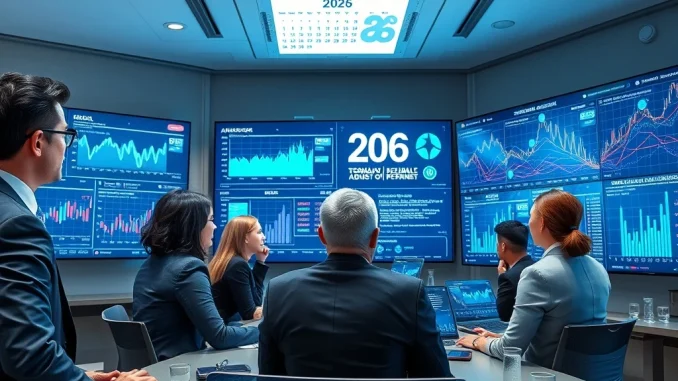
A critical factor underpinning this institutional confidence is the evolving regulatory landscape. Major jurisdictions, including the European Union with its Markets in Crypto-Assets (MiCA) regulation, the United Kingdom, Singapore, and the United States, are actively developing comprehensive frameworks for digital assets. The industry widely anticipates that by 2026, these rules will provide much-needed clarity on the legal status, custody requirements, and trading protocols for tokenized securities. This regulatory certainty is a prerequisite for large-scale institutional deployment, as it mitigates legal risk and establishes clear rules of engagement. Firms like DWF Labs are positioning themselves at this convergence of technology and regulation, facilitating the market infrastructure needed for institutional entry.
From Theory to Practice: Real-World Applications and Pilots
The trend is no longer abstract. Concrete examples demonstrate the institutional path forward. Major banks are piloting tokenized treasury bonds and private credit funds. Investment managers are exploring tokenized funds to improve subscription and redemption processes. Furthermore, the emergence of institutional-grade custodians, regulated trading venues specifically for digital securities, and interoperability protocols are creating the necessary ecosystem. The following table outlines the progression of asset tokenization:
| Phase | Timeframe | Characteristics | Institutional Role |
|---|---|---|---|
| Conceptual & Early Pilots | 2017-2022 | Isolated proofs-of-concept, limited scale, regulatory uncertainty. | Exploratory, R&D-focused. |
| Infrastructure Build-Out | 2023-2025 | Development of custody solutions, trading platforms, and legal frameworks. | Strategic partnerships and internal platform development. |
| Scaled Adoption & Integration | 2026 Onwards | Regulatory clarity, interoperability, integration with traditional finance systems. | Mainstream product offerings and significant capital allocation. |
Implications for Global Finance and Investment
The widespread adoption of tokenized RWAs carries profound implications. It could democratize access to premium investment opportunities, allowing retail investors to own fractions of assets previously reserved for the ultra-wealthy or large institutions. For global finance, it promises more efficient capital formation and allocation. However, challenges remain, including achieving true interoperability between different blockchain networks and ensuring robust cybersecurity measures. The role of market makers and liquidity providers like DWF Labs will be crucial in ensuring these new digital asset markets function smoothly, with tight spreads and sufficient depth to handle institutional order flow.
Conclusion
The analysis from DWF Labs underscores a pivotal moment for digital assets. The institutional rise of tokenized RWAs is transitioning from a promising narrative to an operational reality, fueled by the tangible benefits of transparency and liquidity and accelerated by the approaching horizon of regulatory clarity in 2026. This convergence marks a significant step toward a more open, efficient, and accessible global financial system, where the boundaries between traditional and digital finance continue to blur. The next two years will be critical in observing how institutions navigate this final stretch of infrastructure development and regulatory integration to fully unlock the potential of real-world asset tokenization.
FAQs
Q1: What exactly are tokenized real-world assets (RWAs)?
Tokenized RWAs are digital representations of physical or financial assets—like real estate, bonds, or commodities—issued and recorded on a blockchain. Each token signifies a share of ownership or a claim on the underlying asset.
Q2: Why are financial institutions interested in tokenized RWAs now?
Institutions are driven by the potential for major operational improvements: reducing settlement times from days to minutes, automating compliance via smart contracts, fractionalizing illiquid assets to create new products, and gaining superior transparency through immutable record-keeping.
Q3: What is the significance of the 2026 timeline mentioned?
By 2026, key financial jurisdictions like the EU, US, and UK are expected to have fully implemented comprehensive regulatory frameworks for digital assets. This legal clarity reduces uncertainty for institutions, allowing them to deploy capital and launch products at scale with confidence.
Q4: What role does a firm like DWF Labs play in this ecosystem?
As a market maker and Web3 investor, DWF Labs provides essential liquidity and market infrastructure. They facilitate trading, connect projects with institutional partners, and invest in the foundational technology needed to build robust, institutional-grade markets for tokenized assets.
Q5: Are tokenized RWAs safe for investors?
Like any investment, they carry risk. Safety depends heavily on the legal structure ensuring the token’s link to the real asset, the security of the underlying blockchain and custody solution, and adherence to regulations. Regulatory progress aims to establish clear investor protections.
Related News
- Crypto Funding Rounds Surge in January 2026: A Detailed Analysis of the Capital Influx
- CLARITY Act Faces Critical Delay as Senate Committee Seeks Bipartisan Consensus on Crypto Regulation
- Web3 Gaming Revolution: Master Blockchain Gaming Dynamics with the Essential Read2Earn Quest
Related: Tether's Scudo Revolutionizes Digital Gold with Practical Fractional Transactions
Related: Bitcoin's Critical $64,000 Support Level Becomes the Market's Unwavering Focal Point
Related: Tokenized Revolution: Bank of England, SWIFT, and Chainlink Launch Historic Synchronisation Lab