Tokenized Gold Hits $6B: The Unprecedented Shift in Crypto Risk Strategy
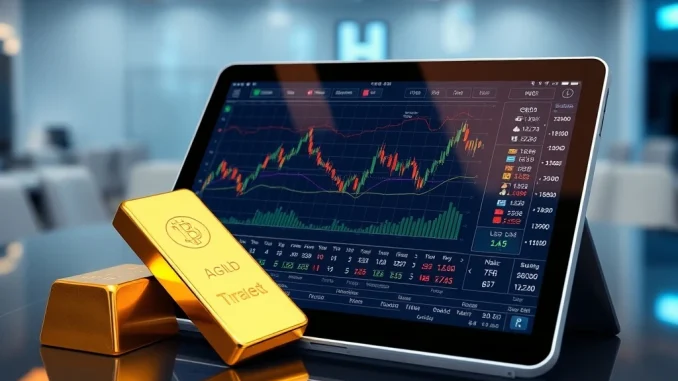
Global, March 2025: The cryptocurrency market is witnessing a fundamental recalibration of risk management as the total market capitalization for tokenized gold surpasses the $6 billion threshold. This milestone, representing over $2 billion in growth year-to-date, signals more than just increased investment; it reveals a strategic pivot where digital asset investors are systematically integrating tangible, historically stable assets into their portfolios. The rapid ascent of gold-backed tokens like Tether Gold (XAUT) and Paxos Gold (PAXG) points to a maturation of the crypto ecosystem, where volatility hedging and capital preservation are becoming paramount concerns for both institutional and retail participants.
Tokenized Gold Market Exceeds $6 Billion in Landmark Shift
The $6 billion valuation for tokenized gold represents a convergence of traditional finance and decentralized technology. Unlike purely algorithmic stablecoins or volatile cryptocurrencies, each tokenized gold unit is backed by physical gold held in secure, audited vaults. Industry data confirms that more than 1.2 million troy ounces of physical gold now underpin the circulating digital supply. This tangible backing provides a critical bridge of trust, allowing investors to gain exposure to gold’s price movements with the frictionless transferability and divisibility of a digital asset. The market’s growth from approximately $4 billion at the start of the year to over $6 billion today reflects accelerating adoption during periods of both crypto market stress and broader macroeconomic uncertainty.
Dominance of Tether Gold and Paxos Gold in the Market
A duopoly currently governs the tokenized gold landscape, with Tether Gold (XAUT) and Paxos Gold (PAXG) collectively commanding about 96.7% of the total market share. This concentration highlights the importance of issuer credibility and regulatory compliance in this nascent sector. Tether Gold, issued by the company behind the largest stablecoin USDT, represents ownership of one troy ounce of physical gold on a London Good Delivery bar stored in Switzerland. Similarly, Paxos Gold (PAXG) is a regulated product where each token corresponds to one fine troy ounce of a 400-ounce London Good Delivery gold bar, held in Brink’s vaults. Their dominance stems from transparent attestation reports, established brand recognition, and integration across major cryptocurrency exchanges and decentralized finance (DeFi) protocols.
- Tether Gold (XAUT): Backed by physical gold in Swiss vaults, redeemable for delivery. It operates on multiple blockchains including Ethereum and Tron.
- Paxos Gold (PAXG): A regulated asset token, with gold held in professional custody. It is often praised for its robust regulatory framework.
- Market Dynamics: The remaining ~3.3% of the market includes other projects, but the high barrier to entry involving custody, legal structure, and trust has solidified the lead of these two major players.
The Mechanics and Security of Gold-Backed Tokenization
The process of creating a gold-backed token involves a precise chain of custody and legal structure. First, a custodian, often a specialized bullion bank or secure vaulting service, takes physical possession of investment-grade gold bars. An independent auditor regularly verifies the existence and quantity of this gold. The issuing entity then mints a corresponding number of digital tokens on a blockchain, typically Ethereum. Each token is a digital representation of a claim on a specific amount of that physical gold. Smart contracts govern the minting and burning of tokens, ensuring the circulating supply always matches the audited reserves. This model combines the immutable record-keeping of blockchain with the time-tested value of a physical commodity, creating a hybrid asset class designed for the digital age.
Implications for Cryptocurrency Risk Management Strategy
The surge into tokenized gold is not a random trend but a clear strategic response to the inherent volatility of the cryptocurrency market. For years, investors had limited options to hedge within the digital asset ecosystem, often relying on stablecoins pegged to fiat currencies, which carry their own regulatory and counterparty risks. Tokenized gold introduces a non-correlated, inflation-resistant asset directly into the crypto portfolio. Financial analysts observe that this allows for more sophisticated risk management: investors can quickly move capital from volatile crypto assets into gold tokens during market downturns without leaving the blockchain environment, thereby avoiding traditional banking rails and settlement delays. This capability marks a significant evolution in how digital asset portfolios are constructed and protected.
Historical Context and the Flight to Quality
The attraction to gold during times of uncertainty is a centuries-old phenomenon. In the context of crypto, this “flight to quality” is now occurring on-chain. During the market contractions of 2022 and periods of high inflation in 2023-2024, inflows into products like PAXG and XAUT noticeably increased. This pattern mirrors behavior in traditional markets but with greater speed and accessibility. The tokenized gold market’s growth trajectory suggests it is becoming a standard component of the crypto risk toolkit, much like Treasury bonds are for traditional equity investors. It provides a safe haven that maintains liquidity and operates within the same technological framework as the rest of a digital asset portfolio.
Future Outlook and Regulatory Considerations
The path forward for tokenized gold is intertwined with broader regulatory developments in both the cryptocurrency and commodities spaces. Regulatory bodies like the U.S. Securities and Exchange Commission (SEC) and the Commodity Futures Trading Commission (CFTC) are increasingly scrutinizing digital assets. The clear, physical backing of tokens like XAUT and PAXG may offer a more straightforward regulatory path compared to algorithmic or utility tokens. Furthermore, as central banks explore digital currencies (CBDCs), the infrastructure for tokenized real-world assets (RWAs) is being validated. The next phase of growth may involve more complex financial products built on top of tokenized gold, such as lending protocols, derivatives, and ETFs that hold these digital tokens, further embedding gold into the fabric of decentralized finance.
Conclusion
The突破 of a $6 billion market cap for tokenized gold is a definitive signal of a major shift in crypto risk strategy. It demonstrates that the market is maturing beyond pure speculation toward a balanced approach that incorporates wealth preservation. The dominance of Tether Gold and Paxos Gold underscores the critical importance of trust, transparency, and regulatory compliance in this merger of old and new wealth stores. As the digital asset ecosystem continues to evolve, tokenized gold stands as a pivotal innovation, offering a stable, verifiable bridge between the volatile potential of cryptocurrency and the enduring value of physical gold. This trend is reshaping portfolio management and setting a new standard for how investors perceive and manage risk in the digital age.
FAQs
Q1: What exactly is tokenized gold?
Tokenized gold is a digital representation of ownership of physical gold. Each digital token (like XAUT or PAXG) is backed by a specific amount of real gold stored in secure, insured vaults. It allows investors to buy, sell, and transfer ownership of gold instantly on a blockchain.
Q2: How does tokenized gold help with crypto risk management?
It provides a stable, historically non-correlated asset within the crypto ecosystem. During periods of high volatility in Bitcoin or other cryptocurrencies, investors can quickly swap into gold-backed tokens to preserve capital without converting to fiat and leaving the blockchain environment, acting as an on-chain safe haven.
Q3: Is my investment in tokenized gold safe?
Safety depends on the issuer. Reputable projects like PAXG and XAUT use regulated custodians and provide regular third-party audit reports to prove the gold reserves exist. The primary risks are not related to gold’s value but to the issuer’s solvency and the security of the smart contract, making due diligence on the issuer crucial.
Q4: Can I redeem my tokenized gold for physical gold?
Yes, with major issuers. Both Tether Gold and Paxos Gold have redemption processes for qualified holders. For example, Tether allows redemption for physical delivery of gold bars (subject to minimum amounts and fees), while Paxos also facilitates redemption through its platform. The terms and minimums vary by issuer.
Q5: What is the difference between tokenized gold and a gold ETF?
While both offer exposure to gold’s price, tokenized gold is a digital bearer asset on a blockchain, allowing for 24/7 global trading, direct ownership, and potential use in DeFi applications. A Gold ETF is a traditional security traded on stock exchanges during market hours, representing a share in a trust that holds gold. Tokenized gold offers more direct ownership and technological flexibility.
Related News
- Crucial CLARITY Act Passes Senate Committee, White House Hails Major Step for Crypto Regulation
- 💀 PEPE, SHIB, DOGE Are DEAD! This $0.003333 Coin Is the NEW KING of Meme Crypto!
- Upbit Announces Crucial Suspension of HP Deposits and Withdrawals for Major Network Upgrade
Related: Strategic Manchester City Revolut Partnership Expands with New Back-of-Shirt Sponsorship Deal
Related: Cashless-Ready Cities: The 2025 Ranking Reveals America's Digital Payment Leaders
Related: Crypto Bank Charters Face Stunning Halt as Major Banks Demand Regulatory Freeze