Bitcoin Everlight’s Revolutionary App: A New Node Model Emerges Amid Solana Volatility
Global Cryptocurrency Markets, March 2026: As Solana experiences significant price fluctuations in the first quarter of 2026, a new project called Bitcoin Everlight is attracting attention from traders seeking alternative opportunities. The platform’s Phase 3 presale continues while introducing a Bitcoin-denominated node model through a dedicated mobile application. This development occurs during a period of notable instability for one of cryptocurrency’s major layer-1 networks.
Bitcoin Everlight’s Node Model and Mobile Application
Bitcoin Everlight represents a different approach to cryptocurrency participation. The project centers on a node network where participants can operate nodes that earn rewards denominated in Bitcoin. This model differs from traditional proof-of-stake or proof-of-work systems by creating a dedicated network for reward distribution.
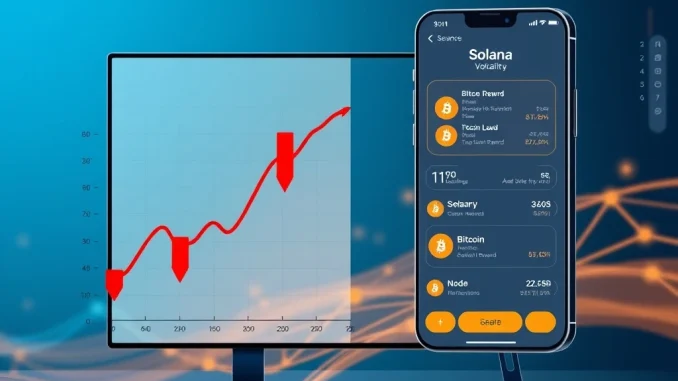
The mobile application serves as the primary interface for node operators. Users can monitor their node performance, track reward accumulation, and manage their participation through the app. The platform’s developers designed the application to simplify node operation for users without extensive technical expertise.
Several key features distinguish the Bitcoin Everlight approach:
- BTC-denominated rewards regardless of node operation costs
- Mobile-first accessibility for node management
- Transparent reward distribution mechanisms
- Gradual node deployment across multiple phases
Solana’s Market Volatility in Early 2026
Solana’s price movements during early 2026 have captured market attention. The network, known for its high throughput and growing ecosystem, has experienced several volatility spikes since January. These fluctuations reflect broader market conditions and specific network developments.
Historical context helps explain the current situation. Solana faced significant challenges in 2022-2023, including network outages and the FTX collapse’s impact on ecosystem funding. The network demonstrated remarkable recovery throughout 2024, reaching new all-time highs in December. However, the first quarter of 2026 has reintroduced volatility patterns that concern some traders.
Several factors contribute to Solana’s current market behavior:
- Broader cryptocurrency market corrections affecting all major assets
- Increased network congestion during peak usage periods
- Regulatory developments impacting decentralized applications
- Competition from emerging layer-1 and layer-2 solutions
The Node Economics of Bitcoin Everlight
Bitcoin Everlight’s economic model warrants careful examination. The platform uses a node-based system where participants contribute resources to maintain network operations. In return, they receive Bitcoin rewards calculated through predetermined algorithms.
The project divides its development into multiple phases, with Phase 3 representing the current presale stage. Each phase introduces additional nodes to the network while adjusting reward parameters based on network growth and participation levels. This structured approach aims to create sustainable economics rather than rapid, unsustainable expansion.
Node operators must consider several economic factors:
| Factor | Consideration | Impact on Returns |
|---|---|---|
| Initial Node Cost | Presale pricing structure | Determines entry barrier |
| Reward Schedule | Daily/Weekly distribution | Affects cash flow timing |
| Bitcoin Price Volatility | BTC/USD fluctuations | Influences fiat value of rewards |
| Network Participation | Total nodes operating | Affects individual node rewards |
Cryptocurrency Market Dynamics and Alternative Opportunities
The cryptocurrency market continually evolves, creating both challenges and opportunities for participants. Periods of volatility in major assets like Solana often prompt traders to explore alternative projects and revenue models. This search for diversification drives interest in platforms offering different value propositions.
Bitcoin Everlight enters this landscape with a specific focus on Bitcoin-denominated returns. The emphasis on Bitcoin rather than a native token represents a strategic choice. Bitcoin maintains its position as cryptocurrency’s dominant store of value, with wider recognition and adoption than newer assets. Projects offering Bitcoin exposure while utilizing different technological approaches may appeal to certain market segments.
Market analysts observe several trends influencing current trader behavior:
- Increased interest in yield-generating cryptocurrency models
- Growing preference for mobile-accessible platforms
- Concerns about network stability affecting trading decisions
- Search for assets with lower correlation to major market movements
Technological Implementation and Security Considerations
Bitcoin Everlight’s technical implementation requires examination alongside its economic model. The platform reportedly uses a combination of blockchain technology and traditional server infrastructure to operate its node network. This hybrid approach aims to balance decentralization with performance requirements.
Security represents a critical consideration for any cryptocurrency platform. Bitcoin Everlight’s developers emphasize multiple security layers, including encryption protocols, regular audits, and transparent operations. The mobile application incorporates standard security features like two-factor authentication and biometric access controls.
The project’s architecture addresses several common platform challenges:
- Scalability to accommodate growing node numbers
- Reliability for consistent reward distribution
- Transparency in node operations and reward calculations
- Accessibility across different device types and regions
Regulatory Landscape for Cryptocurrency Platforms
The regulatory environment for cryptocurrency continues developing through 2026. Different jurisdictions approach platforms like Bitcoin Everlight with varying frameworks. Some regions embrace cryptocurrency innovation, while others implement stricter controls.
Bitcoin Everlight’s structure as a node network with Bitcoin rewards places it within specific regulatory categories. The platform may fall under securities regulations in some jurisdictions if authorities interpret node participation as investment contracts. Other regions might classify it as a technology service or software platform.
Several regulatory factors influence platform operations:
- Know-your-customer (KYC) requirements for participants
- Anti-money laundering (AML) compliance obligations
- Securities law interpretations of node participation
- Tax treatment of cryptocurrency rewards
Conclusion
Bitcoin Everlight represents an emerging approach to cryptocurrency participation through its node model and mobile application. The platform gains attention during a period of Solana volatility as traders explore alternative opportunities. The project’s Phase 3 presale continues while the broader market assesses its long-term viability and value proposition. As with any cryptocurrency platform, potential participants should conduct thorough research, understand the economic model, and consider regulatory implications before involvement. The evolving cryptocurrency landscape continues offering diverse approaches to digital asset participation, with Bitcoin Everlight presenting one option among many.
FAQs
Q1: What is Bitcoin Everlight’s primary function?
Bitcoin Everlight operates a node network where participants can run nodes that earn Bitcoin rewards through a dedicated mobile application interface.
Q2: How does Bitcoin Everlight differ from traditional cryptocurrency staking?
The platform uses a node-based model rather than proof-of-stake validation. Rewards are denominated in Bitcoin rather than a native platform token, and the system operates through a dedicated network rather than an existing blockchain.
Q3: What phase is Bitcoin Everlight currently in?
The platform is conducting its Phase 3 presale, following two previous development and deployment phases that established the initial network infrastructure.
Q4: Why are Solana traders showing interest in this platform?
Periods of volatility in major assets like Solana often prompt traders to explore alternative cryptocurrency opportunities and diversification options beyond their primary holdings.
Q5: What should potential participants consider before joining Bitcoin Everlight?
Individuals should research the platform’s economic model, understand node costs and reward structures, consider regulatory implications in their jurisdiction, evaluate security measures, and assess the long-term sustainability of the reward system.
Q6: How does the mobile application function for node operators?
The application provides an interface for monitoring node performance, tracking Bitcoin reward accumulation, managing node settings, and accessing platform information and updates.
Related News
- Bitcoin Falls Below $70,000: ETF Outflows and Risk-Off Sentiment Trigger Market Retreat
- Eliza Labs and Stanford University’s FDCI to Explore AI Agents Impact on Digital Currency Systems
- Corporate Bitcoin Reserves Surge: Institutions Add 23K BTC in January, Signaling Unwavering Confidence
Related: Ethereum $2,000 Support Level: The Critical Juncture Defining Market Sentiment
Related: Binance Controls 87% of Trump-Linked USD1 Stablecoin Supply, Data Reveals
Related: Best Crypto to Buy Now: 5 Projects Gaining Attention as Bitcoin Holds Below $70,000