Fomoin and YUMO Forge Transformative Partnership to Pioneer AI-Led Digital Personas in Web3
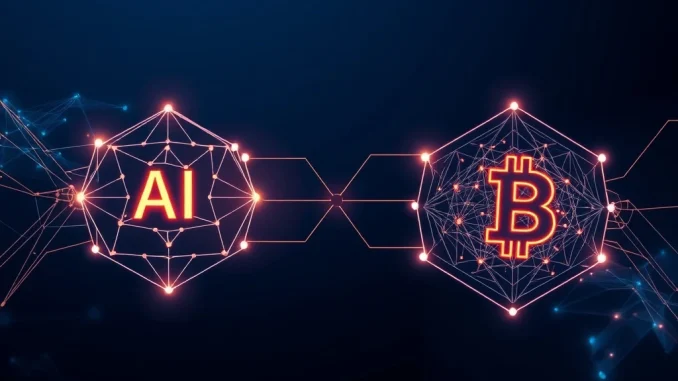
Global, March 2025: In a significant development for the decentralized technology sector, Fomoin has announced a strategic partnership with YUMO to advance AI-led digital personas within Web3 ecosystems. This collaboration represents a notable convergence of two distinct but complementary approaches to digital identity and opportunity in blockchain networks. The partnership aims to combine Fomoin’s established gateway to exclusive cryptocurrency opportunities with YUMO’s innovative framework for artificial intelligence-driven digital identity management.
Fomoin and YUMO Partnership Details and Strategic Vision
The formal announcement outlines a multi-phase integration plan between the two platforms. Fomoin, known for curating access to early-stage cryptocurrency projects and exclusive blockchain opportunities, will incorporate YUMO’s AI persona technology into its user experience framework. Conversely, YUMO’s digital identity system will gain exposure to Fomoin’s established user base and opportunity network. Industry analysts view this partnership as a logical evolution in Web3 infrastructure development, addressing two persistent challenges: user identity management and opportunity discovery.
Both companies have released joint technical documentation detailing the integration architecture. The proposed system will allow users to maintain consistent AI-enhanced digital personas across both platforms while accessing curated opportunities through a unified interface. This approach differs from traditional single-platform identity solutions by creating interoperable identity layers that function across multiple Web3 environments. The technical implementation reportedly utilizes zero-knowledge proof elements to maintain privacy while enabling persona portability.
Understanding AI-Led Digital Personas in Web3 Context
Digital personas represent a sophisticated evolution beyond basic user profiles or avatars in online spaces. In the Web3 context, these personas function as persistent, user-controlled identity frameworks that interact with decentralized applications, smart contracts, and blockchain networks. YUMO’s specific approach incorporates artificial intelligence to enable these personas to learn user preferences, manage digital assets according to predefined parameters, and interact autonomously with certain Web3 protocols under user supervision.
The integration of AI introduces several functional capabilities:
- Adaptive Interaction: Personas can adjust communication styles and interaction patterns based on the specific dApp or protocol environment
- Preference Learning: Systems observe user behavior to surface relevant opportunities and filter irrelevant information
- Automated Task Management: Routine Web3 interactions, such as staking rewards claiming or liquidity provision adjustments, can be managed autonomously
- Reputation Building: Consistent, verifiable interaction histories contribute to decentralized reputation scores across platforms
This technological approach addresses the fragmentation commonly experienced in Web3 ecosystems, where users maintain separate identities, wallets, and reputations across dozens of platforms.
Historical Context of Digital Identity Evolution in Blockchain
The partnership between Fomoin and YUMO occurs within a broader historical trajectory of digital identity development in decentralized networks. Early blockchain systems, beginning with Bitcoin’s pseudonymous addresses, offered minimal identity features by design. The Ethereum ecosystem introduced more sophisticated possibilities through externally owned accounts and contract accounts, but these remained fundamentally address-based rather than identity-based.
Several key developments preceded current AI-integrated approaches:
| Phase | Time Period | Key Characteristics | Limitations |
|---|---|---|---|
| Pseudonymous Addresses | 2009-2015 | Cryptographic key pairs as identifiers | No recovery, poor user experience, no reputation |
| Naming Systems | 2015-2020 | ENS, Handshake, readable names | Centralized components, limited functionality |
| Social Identity Protocols | 2020-2023 | BrightID, Proof of Humanity, social verification | Privacy concerns, scalability issues |
| Soulbound Tokens & Reputation | 2023-2024 | Non-transferable tokens representing traits | Static data, limited interoperability |
| AI-Enhanced Personas | 2024-Present | Learning, adaptive, autonomous elements | Complexity, verification challenges |
YUMO’s technology represents the current frontier in this evolution, while Fomoin’s integration provides a practical implementation environment with real economic activity.
Technical Architecture and Implementation Timeline
The partnership follows a carefully structured implementation schedule designed to ensure system stability and user adoption. Phase one, scheduled for completion in Q2 2025, involves basic API integration allowing YUMO persona data to inform Fomoin’s opportunity recommendation algorithms. Phase two, targeting Q4 2025, will enable persona-authenticated access to exclusive Fomoin opportunities through YUMO’s interface.
The technical architecture employs a hybrid approach to balance decentralization with practical performance requirements. Core identity data remains anchored on designated blockchain layers with privacy-preserving characteristics, while AI processing and interaction learning occur through verifiable off-chain computation. This design acknowledges current blockchain throughput limitations while maintaining cryptographic accountability for persona actions and evolution.
Security considerations receive particular emphasis in the technical documentation. The system implements multiple verification layers before allowing autonomous persona actions, including multi-factor authentication requirements for significant transactions and regular user confirmation prompts during the learning phase. These safeguards address legitimate concerns about AI agency in financial contexts while still providing automation benefits for routine interactions.
Market Implications and Competitive Landscape Analysis
The Fomoin-YUMO partnership emerges within a competitive landscape of digital identity solutions targeting Web3 applications. Several established projects offer overlapping functionality, including decentralized identity protocols, reputation systems, and AI agent platforms. However, the specific combination of Fomoin’s curated opportunity network with YUMO’s adaptive persona technology creates a distinctive market position.
Industry observers note several potential implications for the broader Web3 ecosystem:
- User Experience Standardization: Successful implementation could establish design patterns for AI-persona integration across other platforms
- Data Portability Precedent: The partnership demonstrates practical approaches to portable identity data between different service providers
- Regulatory Clarity Testing Ground: The autonomous aspects of AI personas may encounter regulatory scrutiny, providing test cases for governance frameworks
- Economic Model Validation: The business case for sophisticated digital identity solutions receives validation through this commercial partnership
The partnership also reflects a maturation trend in blockchain investment platforms. Rather than simply listing numerous opportunities, platforms like Fomoin increasingly seek to provide contextual filtering and personalized discovery mechanisms. AI-enhanced personas represent a logical technological response to information overload in rapidly expanding Web3 environments.
Expert Perspectives on AI and Digital Identity Convergence
Technology analysts specializing in decentralized systems have offered measured assessments of the partnership’s significance. Dr. Elena Rodriguez, a researcher at the Digital Identity Lab, notes that “the integration of learning algorithms with persistent digital identities represents an important technical challenge with substantial usability payoffs if implemented correctly.” She emphasizes that previous attempts at adaptive digital identity often sacrificed either user control or system effectiveness.
From a business perspective, financial technology consultant Marcus Chen observes that “Fomoin gains differentiation in a crowded curation market, while YUMO obtains a deployment environment with genuine economic activity. This symbiotic relationship demonstrates how infrastructure partnerships can accelerate adoption more effectively than standalone platform development.” Chen further notes that the success metric will be user retention and activity levels rather than immediate revenue generation from the integration itself.
Blockchain governance specialists highlight the importance of transparent decision-making frameworks for AI-enhanced personas. As these systems gain capability to act autonomously within defined parameters, clear accountability mechanisms and audit trails become essential. The partnership’s technical documentation addresses these concerns through immutable logging of persona decisions and regular transparency reports planned for publication.
Conclusion
The partnership between Fomoin and YUMO represents a substantive development in the practical implementation of advanced digital identity within Web3 ecosystems. By combining curated opportunity access with AI-enhanced persona technology, the collaboration addresses fundamental challenges of discovery, management, and interaction in decentralized networks. The technical approach balances innovation with necessary safeguards, while the implementation timeline allows for iterative refinement based on user feedback and technological developments.
This Fomoin and YUMO partnership exemplifies the ongoing convergence between artificial intelligence and blockchain technology, moving beyond theoretical possibilities to deployed systems with real users and economic activity. As Web3 continues to evolve from experimental infrastructure to mainstream platforms, such integrations of complementary technologies will likely become increasingly common, shaping how users interact with decentralized applications and manage their digital presence across blockchain networks.
FAQs
Q1: What exactly are AI-led digital personas in the context of Web3?
AI-led digital personas are user-controlled identity frameworks enhanced with artificial intelligence capabilities. In Web3, they function as persistent identities that can learn preferences, manage assets according to parameters, and interact with decentralized applications and smart contracts with varying degrees of autonomy, all while maintaining user privacy and control through blockchain-based verification.
Q2: How does Fomoin’s platform benefit from integrating YUMO’s technology?
Fomoin gains sophisticated personalization capabilities for its opportunity recommendation system. Instead of presenting the same curated opportunities to all users, the platform can filter and prioritize based on individual persona characteristics, interaction history, and demonstrated preferences. This improves user engagement and satisfaction while potentially increasing conversion rates for featured opportunities.
Q3: What distinguishes this approach from previous digital identity solutions in blockchain?
Previous solutions typically focused on static identity attributes or social verification. The AI-enhanced approach introduces adaptive learning, contextual behavior, and autonomous task management within user-defined boundaries. This creates more useful and responsive digital identities that evolve with user behavior rather than remaining fixed data points.
Q4: Are there privacy concerns with AI learning from user behavior in Web3?
The technical implementation addresses privacy through several mechanisms: processing sensitive learning data locally when possible, using zero-knowledge proofs to verify persona characteristics without revealing underlying data, and providing users with granular control over what behaviors contribute to learning algorithms. The system design emphasizes privacy preservation as a core requirement.
Q5: What practical applications might users experience from this partnership?
Users may notice more relevant opportunity recommendations on Fomoin, reduced repetitive authentication across connected platforms, automated management of routine Web3 tasks like staking rewards collection, and more consistent reputation building across different decentralized applications. The experience aims to reduce friction while increasing personalization in Web3 interactions.
Related News
- Donald Trump or Joe Biden for Bitcoin?
- Tether USDT Mint: Strategic 1,000 Million Injection Sparks Crucial Market Liquidity Debate
- BTC Perpetual Futures: Crucial Long-Short Ratios Reveal Neutral Market Sentiment
Related: ZKP Project: The Revolutionary Privacy Ecosystem Transforming Digital Finance in 2026
Related: MiCA License Deadline: France's Urgent Warning to Crypto Firms Before July 2026 Crackdown
Related: Crypto Presale Dynamics: Ark Invest Adjusts Coinbase Position as DeepSnitch AI Secures $1.5M