The world of cryptocurrency is constantly evolving, with new innovations bridging the gap between traditional finance and decentralized technology. For those following the digital asset space, the latest announcement involving Zodia Custody and Ondo Finance is more than just news; it’s a significant step towards mainstream adoption of tokenized real-world assets (RWAs). This collaboration is set to redefine how institutional investors interact with digital assets, promising enhanced liquidity and transparency.
Pioneering the Future: Zodia Custody and Ondo Finance Join Forces
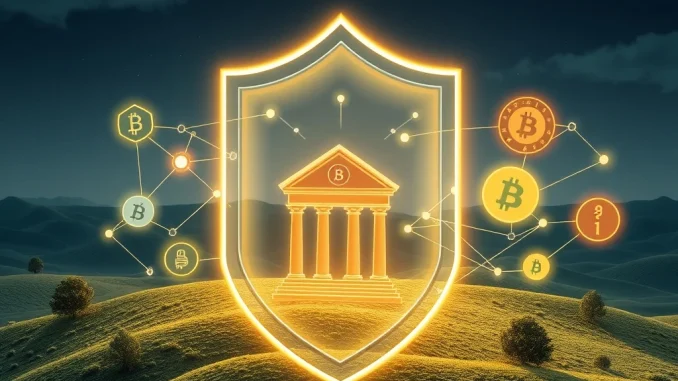
In a move set to bolster the tokenized asset ecosystem, Zodia Custody, a digital asset custodian backed by Standard Chartered Bank, has officially joined Ondo Finance’s Global Markets Alliance. This alliance is a collaborative initiative dedicated to advancing tokenized real-world assets across global capital markets. The partnership aims to leverage Zodia’s robust institutional-grade custody infrastructure, stringent security protocols, and comprehensive compliance frameworks. This integration is crucial for facilitating the tokenization of diverse assets, including:
- Treasuries
- Private Credit
- Exchange-Traded Funds (ETFs)
Zodia Custody becomes a key addition to the alliance, joining a roster of influential entities such as Solana Foundation, BitGo, Jupiter, and Fireblocks. Each member contributes technical and operational expertise, collectively working to expand interoperability within the tokenized asset landscape. This collaboration underscores a broader industry shift towards integrating blockchain technology with traditional financial systems, paving the way for a more efficient and accessible future.
What is RWA Tokenization and Why Does it Matter?
RWA Tokenization involves representing real-world assets as digital tokens on a blockchain. This process transforms illiquid assets into liquid, programmable digital instruments. The benefits are substantial:
- Enhanced Liquidity: Tokenization breaks down large assets into smaller, tradable units, making them more accessible to a wider range of investors and improving market liquidity.
- Increased Transparency: Blockchain’s immutable ledger provides a clear, verifiable record of ownership and transactions, boosting trust and reducing fraud.
- Greater Accessibility: It lowers the barrier to entry for fractional ownership of high-value assets, opening new investment opportunities for institutional and potentially retail investors.
The growing interest in tokenization is evident, with major financial institutions like BlackRock, Fidelity, and Franklin Templeton already launching or expanding initiatives in this space. The Zodia-Ondo partnership aligns with this trend, aiming to unlock new possibilities for institutional investors seeking to diversify their portfolios with digital assets.
The Critical Role of Institutional Custody in Digital Assets
For mainstream adoption of digital assets, particularly tokenized RWAs, secure and compliant custody is paramount. This is where Institutional Custody solutions, like those offered by Zodia Custody, become indispensable. Zodia’s focus on institutional clients—including asset managers, banks, and hedge funds—positions it as a vital bridge between traditional finance and the digital asset world. Standard Chartered’s backing of Zodia highlights the bank’s strategic commitment to fintech innovation, especially in providing secure custody solutions for digital assets.
Integrating Zodia into Ondo’s ecosystem directly addresses critical challenges in tokenization, such as regulatory compliance and secure asset management. These factors have historically hindered broader adoption. Anoosh Arevshatian, Zodia’s chief product officer, has emphasized the complementary role of stablecoins within traditional financial systems, particularly for cross-border transactions. This suggests a potential expansion of tokenized asset use cases beyond just capital markets.
Beyond the Alliance: The Broader Impact on XRP Ledger and DeFi
The timing of this announcement coincides with intensified competition in tokenization initiatives across the blockchain landscape. For instance, Brazil’s VERT recently launched a private credit solution on the XRP Ledger. This exemplifies a broader race among various blockchain platforms to establish dominance in the RWA tokenization ecosystem. While the Zodia-Ondo partnership doesn’t directly involve XRP Ledger, it operates within the same competitive environment for RWA dominance.
However, the Zodia-Ondo collaboration distinguishes itself by prioritizing institutional trust and robust custody infrastructure over platform-specific blockchain solutions. This strategic focus positions the alliance to meet the unique needs of traditional financial players looking to enter the digital asset space without compromising on compliance or security standards. Analysts suggest that the success of such collaborations will depend on their ability to demonstrate scalable, regulated use cases. The inclusion of Zodia, with its strong ties to a global banking institution, is expected to accelerate mainstream adoption by mitigating institutional hesitancy surrounding risk management and regulatory uncertainty.
The partnership between Zodia Custody and Ondo Finance marks a pivotal moment for the tokenization of real-world assets. By combining institutional-grade custody with innovative blockchain solutions, this alliance is poised to enhance liquidity, transparency, and accessibility for a new era of digital finance. As more traditional financial giants embrace tokenization, collaborations like this will be crucial in building the secure, compliant, and scalable infrastructure necessary for the widespread adoption of digital assets.
Frequently Asked Questions (FAQs)
What is the significance of Zodia Custody joining Ondo Finance’s Global Markets Alliance?
This partnership is significant because it combines Zodia’s institutional-grade custody and compliance expertise with Ondo Finance’s focus on advancing tokenized real-world assets (RWAs). It aims to provide the secure infrastructure and trust needed for traditional financial institutions to engage with digital assets, accelerating mainstream RWA adoption.
What are Real-World Assets (RWAs) and why are they being tokenized?
Real-World Assets (RWAs) are tangible or intangible assets outside the blockchain that are represented digitally on a blockchain as tokens. Examples include treasuries, real estate, and private credit. They are being tokenized to enhance liquidity, increase transparency, enable fractional ownership, and make traditional assets more accessible to a broader investor base.
How does institutional custody benefit the tokenization of assets?
Institutional custody provides the secure storage, regulatory compliance, and robust security protocols necessary for large financial institutions to manage digital assets. For tokenized RWAs, it ensures that the underlying assets are protected and that transactions adhere to established financial regulations, building trust and mitigating risks for institutional investors.
Are other major financial institutions involved in RWA tokenization?
Yes, many major financial institutions are actively exploring or have launched RWA tokenization initiatives. Notable examples include BlackRock, Fidelity, and Franklin Templeton, all of whom are developing strategies to integrate tokenized assets into their offerings.
How does this partnership relate to the XRP Ledger?
While the Zodia-Ondo partnership does not directly involve the XRP Ledger, the article mentions Brazil’s VERT launching a private credit solution on the XRP Ledger as an example of the broader, competitive landscape in RWA tokenization. This highlights that various blockchain platforms are vying for dominance in this emerging sector, including the XRP Ledger.
What are the expected long-term impacts of this collaboration?
The long-term impacts include accelerating the mainstream adoption of tokenized RWAs, fostering greater interoperability within the digital asset ecosystem, and establishing more secure and compliant pathways for traditional finance to enter the blockchain space. This could lead to increased liquidity and efficiency across global capital markets.