A significant development is unfolding within the zkSync ecosystem. Alex Gluchowski, the founder of zkSync, has put forth a groundbreaking proposal. This initiative aims to strategically utilize revenue generated from the protocol to enhance the **ZK token** and foster long-term ecosystem growth. For investors and enthusiasts alike, this could mark a pivotal moment for the Layer 2 scaling solution.
Understanding the zkSync Proposal for ZK Token Value
Alex Gluchowski’s recent proposal outlines a clear strategy. He suggests deploying funds derived from on-chain fees and off-chain licensing. These revenues would specifically target several key areas. The primary goal is to increase the intrinsic **token value** of the native **ZK token**. This move directly addresses community interests in token utility and appreciation.
Specifically, the plan details four crucial applications for this generated revenue:
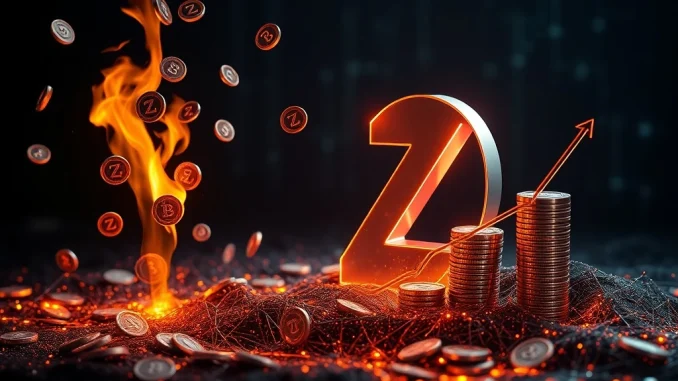
- ZK Token Buybacks: A portion of the revenue would be used to repurchase ZK tokens from the open market. This action reduces circulating supply.
- Token Burns: Subsequently, these repurchased tokens would be permanently removed from circulation through a burning mechanism. This further constrains supply.
- Staking Rewards: Funds would also bolster rewards for users staking their ZK tokens. This incentivizes long-term holding and network participation.
- Ecosystem Funding: A segment of the revenue would support new projects and initiatives within the **zkSync** ecosystem. This promotes innovation and expands the network’s utility.
Indeed, this comprehensive approach seeks to create a sustainable economic model for the **ZK token**. It aligns the protocol’s success directly with the token’s performance.
Leveraging Protocol Revenue for Sustainable Growth
The concept of using **protocol revenue** to support a native token is not entirely new in the crypto space. However, zkSync’s structured proposal offers a robust framework. The revenue streams for zkSync are diverse. They include transaction fees on the network and potential licensing agreements for its underlying technology. By channeling these funds back into the token, the protocol establishes a virtuous cycle.
Furthermore, this strategy is designed to benefit various stakeholders. Holders of the **ZK token** could see increased demand and reduced supply, potentially leading to price appreciation. Stakers would receive enhanced rewards, making participation more attractive. Moreover, the broader **zkSync** ecosystem would gain access to dedicated funding. This enables further development and innovation. Ultimately, the goal is to solidify zkSync’s position as a leading Layer 2 solution.
The Impact of ZK Buybacks and Burns
The proposed **ZK buybacks** and burns are particularly significant. A token buyback program involves the protocol purchasing its own tokens from the market. This creates immediate buying pressure. When these tokens are subsequently burned, they are permanently removed from the total supply. Consequently, this deflationary mechanism can lead to an increase in the scarcity and value of the remaining tokens. Many projects have successfully implemented similar strategies to manage their tokenomics.
Consider the potential effects: decreased circulating supply can lead to higher demand relative to supply. This dynamic often results in a positive impact on the **token value**. Importantly, these actions are transparent and auditable on the blockchain. This fosters trust and confidence among community members. Therefore, this mechanism directly benefits those invested in the long-term success of **zkSync**.
Community Engagement and Future Outlook for zkSync
Crucially, Alex Gluchowski emphasized that this proposal will be opened for community feedback. This commitment to decentralized governance is fundamental to the ethos of blockchain projects. The community’s input will shape the final implementation details. This collaborative approach ensures that the plan reflects the collective vision of **zkSync** users and developers.
In conclusion, this proposal represents a forward-thinking approach to token economics. By directly linking **protocol revenue** to **ZK token** value through buybacks, burns, and staking rewards, zkSync aims to build a more robust and attractive ecosystem. As the proposal moves through the community feedback phase, all eyes will be on its potential to redefine the future of the **ZK token** and the broader zkSync network. This strategic move could indeed set a new standard for Layer 2 tokenomics.
Frequently Asked Questions (FAQs)
What is the core idea behind the zkSync founder’s proposal?
The core idea is to use revenue generated by the zkSync protocol, from on-chain fees and off-chain licensing, to increase the **token value** of the native ZK token through buybacks, burns, staking rewards, and ecosystem funding.
How will ZK buybacks and burns impact the ZK token?
**ZK buybacks** involve repurchasing tokens from the market, creating demand. Subsequent burns permanently remove these tokens from circulation. This combination reduces the circulating supply, potentially increasing the scarcity and **token value** of the remaining ZK tokens.
What are the sources of protocol revenue for zkSync?
The **protocol revenue** for zkSync primarily comes from transaction fees generated on its Layer 2 network. Additionally, it may include revenue from off-chain licensing agreements for its underlying blockchain technology.
When will the community provide feedback on this proposal?
The proposal will be opened for community feedback at a later date. This allows for decentralized governance and ensures that the community’s input helps shape the final implementation of the plan.
What is zkSync’s overall goal with this tokenomics strategy?
zkSync’s overall goal is to create a sustainable and attractive economic model for its ZK token. By linking **protocol revenue** directly to the token’s utility and value, it aims to incentivize participation, foster ecosystem growth, and solidify its position as a leading Layer 2 scaling solution.