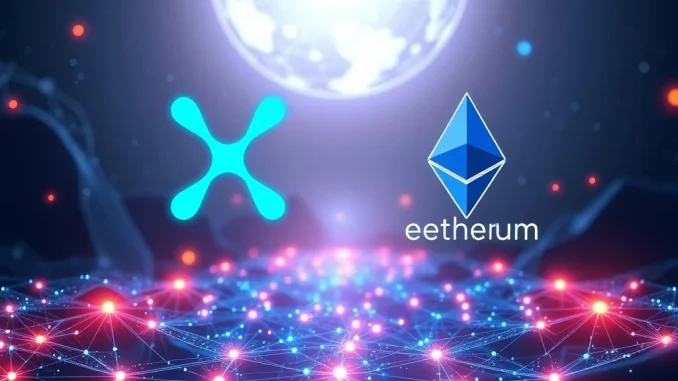
The XRP Ledger (XRPL) has taken a monumental leap forward with the introduction of EVM support, unlocking Ethereum dApps for developers. This upgrade bridges two major blockchain ecosystems, offering new possibilities for decentralized applications.
What Does XRPL EVM Support Mean for Developers?
The XRPL EVM sidechain now allows developers to deploy Ethereum-compatible smart contracts on the XRP Ledger. Key benefits include:
- Seamless migration of existing Ethereum dApps
- Lower transaction costs compared to Ethereum mainnet
- Access to XRPL’s fast settlement times
- Enhanced interoperability between ecosystems
How XRPL EVM Support Enhances Blockchain Interoperability
The integration creates a powerful bridge between XRPL and Ethereum networks. Developers can now:
| Feature | Benefit |
|---|---|
| EVM Compatibility | Use familiar Ethereum tools |
| XRP Settlement | Fast, low-cost transactions |
| Shared Liquidity | Access to both ecosystems |
The Future of Smart Contracts on XRPL
With EVM support, the XRP Ledger becomes a viable platform for:
- DeFi applications
- NFT marketplaces
- Enterprise solutions
- Cross-chain bridges
FAQs About XRPL EVM Support
What is XRPL EVM support?
It’s an upgrade that allows Ethereum Virtual Machine compatibility on the XRP Ledger, enabling Ethereum dApps to run on XRPL.
Can existing Ethereum dApps migrate to XRPL?
Yes, developers can port their Ethereum dApps to XRPL with minimal modifications.
What are the benefits of using XRPL for smart contracts?
Lower costs, faster transactions, and access to XRP’s liquidity while maintaining Ethereum compatibility.
Does this affect XRP’s native functionality?
No, the EVM support runs on a sidechain, preserving XRPL’s core features.
How does this impact blockchain interoperability?
It creates a bridge between XRPL and Ethereum ecosystems, enabling asset and data transfer between chains.