The world of cryptocurrency is rarely quiet, and recent developments surrounding XRP have once again put investors on high alert. What started as a massive XRP transfer by Ripple co-founder Chris Larsen has quickly escalated into a cautionary tale, with a surge in crypto scams coinciding with a notable XRP price drop. This unfolding situation underscores the critical importance of vigilance in a volatile digital asset landscape.
A Mammoth XRP Transfer: What Does it Mean?
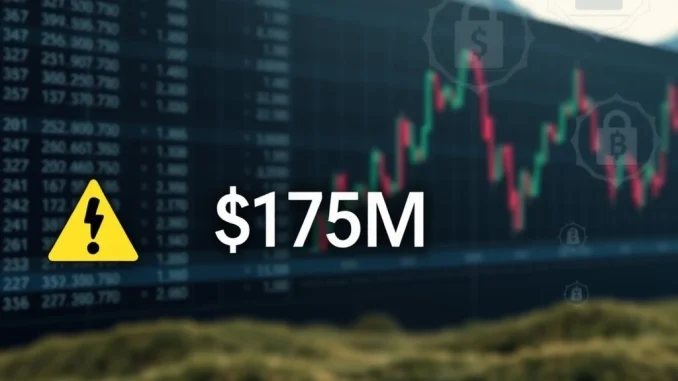
On-chain data has revealed a significant series of transactions initiated by Ripple co-founder Chris Larsen. Between July 17 and July 23, Larsen moved an astonishing 50 million XRP, valued at approximately $175 million, across multiple wallets. Blockchain investigator ZachXBT meticulously tracked these movements, noting that the funds were sent to four distinct addresses. Two of these addresses were subsequently linked to major crypto exchanges or third-party services, suggesting potential liquidity management or other strategic financial maneuvers. The remaining 10 million XRP was divided equally into two new wallets, each receiving 5 million tokens. Despite these substantial outflows, Larsen’s holdings remain immense, with over 2.81 billion XRP still residing in his wallets, valued at more than $8.4 billion at current prices. This large-scale XRP transfer by a prominent figure like Larsen naturally draws attention, prompting questions about its intent and potential market implications.
Crypto Scams on the Rise: A Direct Threat to XRP Holders
The timing of Larsen’s significant XRP movements couldn’t be more unsettling, as it coincided with an alarming surge in XRP-related scams. Ripple executives have been quick to issue urgent warnings, highlighting the increased threat to the community. Ripple CEO Brad Garlinghouse took to X (formerly Twitter) to alert users, stating, “Like clockwork, with success and market rallies, scammers ramp up their attacks on the crypto community—PLEASE BEWARE of the latest scam targeting the XRP family.” While Garlinghouse did not detail the specific tactics, he referenced past incidents involving sophisticated deepfake videos and deceptive fake airdrops designed to trick unsuspecting users. Ripple’s official X account further reinforced these warnings, unequivocally stating that neither the company nor its executives would “NEVER ask you to send us XRP” and urging users to never share wallet credentials. These heightened crypto scams pose a direct and serious threat, especially during periods of increased market attention.
Understanding the XRP Price Volatility
The backdrop to these events is a period of considerable volatility for XRP. The token had recently surged, approaching its all-time high of $3.40, igniting optimism among its holders. However, it has since experienced a sharp retracement, dropping by over 12%. This decline aligns with broader market corrections seen across the cryptocurrency space, indicating a general cooling off after a period of rapid growth. Analysts often observe that large XRP movements, such as those executed by the Ripple co-founder, can correlate with liquidity management strategies or significant institutional activity. However, the overlap with a surge in scam reports introduces an additional layer of complexity, raising concerns about potential vulnerabilities and the exploitation of market sentiment. The recent XRP price fluctuations emphasize the inherent risks and rewards within the crypto market.
Why Are Scams Surging Now, and What is Ripple’s Response?
The confluence of a major XRP transfer, a significant price movement, and an increase in transaction volume has made the XRP network a prime target for fraudulent activity. Scammers are opportunistic, preying on heightened attention and the desire for quick gains. Ripple’s proactive response to this scam surge includes reiterating essential security best practices for its community. These include:
- Enabling multi-factor authentication (MFA) on all crypto-related accounts.
- Thoroughly verifying the legitimacy of any platform or service before interacting with it.
- Being skeptical of unsolicited offers, especially those promising guaranteed returns or free tokens.
- Never sharing private keys or wallet seed phrases with anyone.
The company also highlighted its ongoing collaboration with law enforcement agencies to track down and dismantle fraudulent operations. Despite these measures, CoinRank data indicates a significant increase in scam reports linked to XRP in recent weeks. This trend underscores the persistent challenge of balancing rapid market adoption with robust risk mitigation strategies in the fast-evolving crypto landscape.
Navigating Regulatory Uncertainty and Investor Trust
Beyond the immediate concerns of price volatility and scams, the broader context for XRP includes ongoing regulatory uncertainties. Ripple’s protracted legal battles, particularly with the U.S. Securities and Exchange Commission (SEC), continue to cast a shadow over the asset. Investors are constantly weighing the potential for regulatory clarity, which could unlock significant growth, against the immediate risks posed by fraudulent schemes and market corrections. The interplay between large-scale token transfers, such as those from the Ripple co-founder, and the proliferation of fraudulent activities, illustrates the inherent complexities of maintaining trust and stability within decentralized ecosystems. For those seeking reliable XRP News, it’s crucial to filter out the noise and focus on verified information.
The recent events surrounding XRP—the substantial transfer by Chris Larsen, the alarming rise in crypto scams, and the token’s price fluctuations—paint a vivid picture of the dynamic and often perilous cryptocurrency market. While large transfers can be routine for liquidity management, their timing amid a scam epidemic and price volatility demands careful attention. Investors must remain vigilant, prioritize security, and rely on official sources for information. The continuous efforts by Ripple to warn its community and collaborate with law enforcement are vital, yet individual responsibility remains paramount in safeguarding digital assets against sophisticated threats. Staying informed and exercising caution are your best defenses in this evolving digital frontier.
Frequently Asked Questions (FAQs)
Q1: Why did Ripple co-founder Chris Larsen transfer such a large amount of XRP?
A1: While the exact reason for Chris Larsen’s $175 million XRP transfer hasn’t been officially stated, such large movements by prominent figures often relate to liquidity management, portfolio rebalancing, or strategic financial decisions. Two of the recipient addresses were linked to crypto exchanges, suggesting potential sales or distribution, though this is speculative.
Q2: How can I protect myself from XRP-related scams?
A2: Always be skeptical of unsolicited offers, especially those promising free XRP or guaranteed returns. Never share your wallet’s private keys or seed phrase. Enable multi-factor authentication on all your crypto accounts. Verify the legitimacy of websites and platforms, and only trust official announcements directly from Ripple’s verified channels.
Q3: Is the XRP price drop directly related to Chris Larsen’s transfer?
A3: While a large XRP transfer can sometimes influence market sentiment, the article notes that the 12% XRP price drop aligns with broader market corrections. It’s more likely a combination of general market trends and the timing of the transfer, rather than a direct cause-and-effect from Larsen’s specific actions.
Q4: What types of crypto scams are currently targeting XRP holders?
A4: Scammers are using various tactics, including deepfake videos impersonating Ripple executives, fake airdrops, and phishing attempts that try to trick users into revealing wallet credentials or sending XRP to fraudulent addresses. Ripple has warned against any entity asking you to send them XRP.
Q5: Where can I find reliable XRP News and updates?
A5: For reliable XRP news, always refer to official Ripple channels (like their verified X account or official website), reputable cryptocurrency news outlets, and blockchain analytics platforms. Be wary of unverified sources or promises that seem too good to be true.