In the dynamic world of digital assets, vigilance is paramount, especially when it comes to safeguarding your investments. Recently, the crypto community has been put on high alert as **XRP scams** are proliferating, leveraging the asset’s recent market movements. This article delves into the latest warnings from Ripple’s leadership, the tactics employed by scammers, and crucial steps you can take to protect your digital wealth.
Understanding the Surge in **XRP Scams** on YouTube
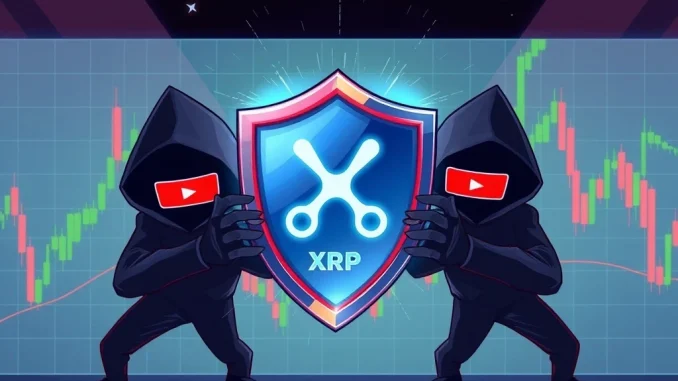
The digital landscape, while offering unprecedented opportunities, also presents fertile ground for malicious actors. A significant concern for the XRP community has emerged from YouTube, where sophisticated scams are impersonating official Ripple channels. These fraudulent accounts, often boasting inflated subscriber counts, are promoting a deceptive ‘100 million XRP reward event.’ The primary goal? To trick unsuspecting users into divulging personal information or, worse, sending their hard-earned funds.
These elaborate schemes often mimic Ripple’s official branding with alarming accuracy, making it challenging for even seasoned crypto enthusiasts to distinguish between authentic and counterfeit content. The prevalence of such **XRP scams** underscores a growing threat that targets the very heart of community trust.
A Direct Warning from **Ripple CEO Brad Garlinghouse**
At the forefront of this battle against digital fraud is **Ripple CEO Brad Garlinghouse**. He has issued a stern public warning, highlighting the escalating nature of these YouTube-based impersonation scams. Garlinghouse emphasized that the surge in fraudulent activity is a direct consequence of XRP’s market momentum. “Like clockwork, with success and market rallies, scammers ramp up their attacks on the crypto community,” he stated.
Garlinghouse unequivocally reiterated that neither Ripple nor its executives would ever solicit XRP transfers from users. This clear directive serves as a critical reminder for the community to remain vigilant and skeptical of any requests for funds. This isn’t Ripple’s first encounter with such issues; the company previously sued YouTube in 2020 over inadequate measures against impersonation scams, a case confidentially settled in 2021. The persistence of these schemes, however, highlights ongoing enforcement gaps on major social platforms.
The Evolving Threat of **YouTube Crypto Scams** and AI
The sophistication of these fraudulent operations is rapidly increasing. Scammers are now leveraging advanced tools, including AI-generated content and high-profile impersonation tactics, to create a false sense of legitimacy. This makes it increasingly difficult for users to discern authentic content from expertly crafted deception. Community members, such as XRP advocate Xtina George, have amplified calls for YouTube to strengthen its monitoring and enforcement mechanisms.
The battle against **YouTube crypto scams** is not just about identifying individual fraudulent videos but addressing the systemic issues that allow them to flourish. The ease with which these fake channels can mimic legitimate entities, coupled with the advanced capabilities of AI, presents a formidable challenge for platform security and user education alike.
How **XRP Price Surge** Fuels Fraudulent Activity
The timing of these scam warnings aligns directly with XRP’s recent price volatility. The asset recently peaked at record levels before experiencing a correction, dropping approximately 11.54% in the past 24 hours, according to COINOTAG data. Such significant price fluctuations act as a magnet, attracting not only legitimate investors but also opportunistic malicious actors.
Scammers expertly capitalize on heightened market enthusiasm and anxiety to deploy their sophisticated fraud tactics. When the **XRP price surge** captures mainstream attention, it brings in new, less experienced investors who may be more susceptible to ‘get rich quick’ schemes or fake reward events. This correlation between market movements and increased scam activity is a recurring pattern in the crypto ecosystem, underscoring the need for constant awareness.
Bolstering Your **Cryptocurrency Security**: Actionable Steps
Protecting your digital assets requires proactive measures and a keen eye for suspicious activity. While platforms bear a responsibility to enhance their security protocols, user education remains a critical line of defense. Here are actionable steps to bolster your **cryptocurrency security**:
- Verify Official Channels: Always double-check the authenticity of any channel or communication claiming to be from Ripple or its executives. Look for verified badges and compare subscriber counts and content history with official sources.
- Never Share Private Information: Ripple or any legitimate crypto entity will never ask for your private keys, seed phrases, or solicit direct XRP transfers for ‘rewards’ or ‘events.’
- Report Suspicious Activity: If you encounter a scam, report it immediately to YouTube and relevant authorities. Your vigilance helps protect the wider community.
- Be Skeptical of ‘Giveaways’: Any offer promising to multiply your crypto if you send a small amount first is almost certainly a scam.
- Use Hardware Wallets: For significant holdings, consider using a hardware wallet, which provides an extra layer of security by keeping your private keys offline.
- Stay Informed: Follow official news sources and Ripple’s verified social media accounts for legitimate updates and warnings.
Garlinghouse has called for greater collaboration between social media platforms and crypto security experts to address these evolving threats, especially as AI tools enable more convincing impersonations. Ripple’s leadership remains focused on advocating for enhanced security protocols and industry-wide cooperation to protect users.
Conclusion
The recent warnings from **Ripple CEO Brad Garlinghouse** serve as a stark reminder of the persistent and evolving threat of **XRP scams** and **YouTube crypto scams**. While the **XRP price surge** brings exciting opportunities, it also attracts malicious actors looking to exploit market enthusiasm. Ensuring robust **cryptocurrency security** is a shared responsibility, requiring continuous vigilance from individual users and proactive measures from platforms. By staying informed, verifying sources, and adopting strong security practices, the XRP community can collectively mitigate these risks and safeguard their investments in the dynamic world of digital finance.
Frequently Asked Questions (FAQs)
1. What types of **XRP scams** are currently active on YouTube?
Currently, the primary XRP scams on YouTube involve impersonation of official Ripple channels and executives. These scams promote fake ‘100 million XRP reward events’ or ‘giveaways’ that trick users into sending funds or sharing personal information, often leveraging AI-generated content for increased legitimacy.
2. What is **Ripple CEO Brad Garlinghouse**’s main warning?
Ripple CEO Brad Garlinghouse warns the community that neither Ripple nor its executives will ever solicit XRP transfers from users for any event or reward. He urges extreme vigilance, stating that scammers intensify their attacks during periods of market success and rallies.
3. How can I identify legitimate channels versus **YouTube crypto scams**?
Always verify the authenticity of a channel by checking for YouTube’s official verification badge, comparing subscriber counts and content history with Ripple’s truly official channels, and being skeptical of any channel promoting ‘free XRP’ or ‘giveaway’ events requiring you to send funds first.
4. Does the **XRP price surge** contribute to increased scam activity?
Yes, the XRP price surge often correlates with increased scam activity. Heightened market enthusiasm and volatility attract both legitimate investors and malicious actors, with scammers capitalizing on the increased interest to deploy sophisticated fraud tactics against new and existing community members.
5. What are the best practices for **cryptocurrency security** against these threats?
Key practices include never sharing your private keys or seed phrases, verifying all official communications directly through Ripple’s verified channels, reporting suspicious activity immediately, using hardware wallets for significant holdings, and being highly skeptical of any ‘giveaway’ or ‘reward’ schemes.
6. Has Ripple taken action against YouTube before regarding scams?
Yes, Ripple previously sued YouTube in 2020 over inadequate measures against impersonation scams. While the case was settled confidentially in 2021, the persistence of such schemes underscores ongoing enforcement gaps on social platforms.