The cryptocurrency world is buzzing with innovation and opportunity, but it’s also a landscape fraught with peril. For XRP holders, a new and alarming threat has emerged: a surge in sophisticated YouTube impersonation scams. Ripple, the company behind XRP, has issued an urgent and critical warning, urging its community to exercise extreme caution.
Unmasking the Latest XRP Scams on YouTube
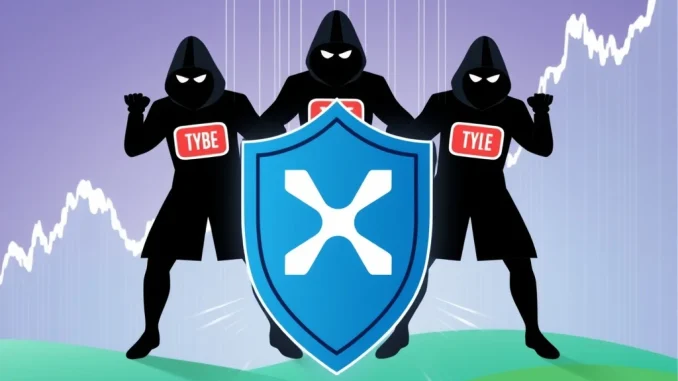
Imagine clicking on a seemingly official video from Ripple, only to find yourself on a fraudulent site designed to steal your hard-earned XRP. This isn’t a hypothetical scenario; it’s the grim reality facing many. Scammers are now hijacking legitimate, albeit unverified, YouTube accounts and meticulously rebranding them to mimic Ripple’s official channels. They replicate logos, naming conventions, and even overall aesthetics to create a deceptive facade. These fake accounts then disseminate misleading videos or malicious links, directing unsuspecting users to phishing sites, fake trading platforms, or even direct wallet drainers. Ripple’s CEO, Brad Garlinghouse, has personally reiterated these concerns, highlighting the alarming sophistication of these attacks.
The Critical Ripple Warning: What You Need to Know
Ripple’s proactive stance against these digital predators is commendable, yet the scale of the problem demands collective vigilance. The company has detailed how these nefarious actors gain control of unverified accounts, transforming them into convincing replicas of official Ripple branding. Their ultimate goal? To trick you into transferring your tokens, believing you’re participating in a legitimate giveaway, investment opportunity, or a crucial security update. A recent press release from Ripple explicitly advised users to cross-check account details against Ripple’s official website and, crucially, to avoid interacting with any unverified profiles. This Ripple warning isn’t just a suggestion; it’s a vital call to action for every member of the XRP community.
Boosting Your Crypto Security in a Volatile Market
The timing of this scam surge is particularly insidious. It coincides with heightened regulatory scrutiny surrounding XRP, notably the ongoing U.S. Securities and Exchange Commission (SEC) case against Ripple. This legal battle, and the associated regulatory uncertainty, has unfortunately created fertile ground for fraudulent activities. When the market experiences volatility, partly influenced by SEC delays, it becomes harder for investors to distinguish legitimate market activity from scam-driven manipulation. This environment of heightened anxiety and price fluctuations makes robust crypto security practices more critical than ever. It’s not just about protecting your digital assets from external hacks; it’s also about safeguarding yourself from psychological manipulation and social engineering tactics.
Navigating the Perils of YouTube Crypto Scams
YouTube, with its vast reach and popularity among crypto communities, has unfortunately become a primary vector for these impersonation schemes. The decentralized nature of social media platforms complicates enforcement, making it a challenge for companies like Ripple to police every rogue account. These YouTube crypto scams leverage the platform’s features, such as live streams, comments, and community posts, to amplify their reach and appear more credible. They often promote fake ‘giveaways’ requiring users to send a small amount of XRP to receive a larger sum back – a classic trick that always results in loss. The broader trend in the crypto industry shows that decentralized platforms and digital assets are increasingly targeted by actors using both technical and psychological tactics. This highlights the urgent necessity for platforms like YouTube to enhance their account verification processes and collaborate more effectively with crypto firms to mitigate fraud.
Empowering XRP Holders: Your First Line of Defense
For XRP holders, the message is unequivocally clear: due diligence remains your strongest shield in this rapidly evolving threat landscape. Ripple’s proactive stance includes public awareness campaigns and direct appeals to users to report suspicious accounts. Brad Garlinghouse’s recent remarks underscored the need for collective vigilance, especially as the company navigates critical deadlines in its XRP lawsuit, which could significantly reshape the token’s legal status and market perception. Beyond just verifying accounts, consider these actionable insights:
- Always Verify: Before clicking any link or engaging with content, cross-reference the YouTube channel with Ripple’s official website (ripple.com). Check for verified badges, subscriber counts, and content history.
- Beware of Giveaways: Legitimate companies, especially those under regulatory scrutiny, will never ask you to send crypto to receive more back. This is a universal red flag.
- Scrutinize URLs: Phishing sites often have URLs that are subtly different from the official ones (e.g.,
rippl.cominstead ofripple.com). Always double-check. - Report Suspicious Activity: If you encounter a fake account or scam, report it immediately to YouTube and inform Ripple through their official channels.
- Enable Two-Factor Authentication (2FA): For all your crypto exchanges and wallets, 2FA adds a crucial layer of security.
- Use Hardware Wallets: For significant holdings, a hardware wallet offers superior protection against online threats.
The fight against crypto scams is an ongoing battle, and the recent surge in YouTube impersonation schemes targeting XRP holders serves as a stark reminder of the vigilance required. While Ripple is doing its part to issue warnings and raise awareness, the ultimate responsibility for safeguarding assets lies with individual investors. By staying informed, practicing rigorous due diligence, and actively reporting suspicious activities, the XRP community can collectively build a more secure and resilient ecosystem. Your awareness is your greatest asset in navigating the complex world of cryptocurrency.
Frequently Asked Questions (FAQs)
1. What kind of YouTube scams are targeting XRP holders?
Scammers are hijacking unverified YouTube accounts, rebranding them to look like official Ripple channels, and then posting misleading videos or links that direct users to phishing sites or fraudulent trading platforms designed to steal XRP tokens.
2. How can I verify if a YouTube channel claiming to be Ripple is legitimate?
Always cross-check the YouTube channel’s details against Ripple’s official website (ripple.com). Look for the official verified badge, check the channel’s history, and be wary of new channels or those with very few legitimate-looking videos.
3. What are the common red flags of an XRP scam on YouTube?
Common red flags include promises of “giveaways” where you have to send XRP to receive more back, urgent calls to action for “security updates” requiring you to input wallet keys, and suspicious-looking URLs in video descriptions or comments.
4. Why are these scams increasing now?
The increase coincides with heightened regulatory scrutiny on XRP, including the ongoing SEC lawsuit. This creates market volatility and investor anxiety, which scammers exploit by preying on the lack of clarity and fear of missing out (FOMO) or fear of loss.
5. What should I do if I encounter a suspicious YouTube account or video?
Do not interact with the content or click any links. Report the suspicious account or video directly to YouTube. You can also inform Ripple through their official communication channels to help them track and combat these impersonations.