Are you an XRP holder? Brace yourself for a critical alert from Ripple, as the crypto giant issues an urgent warning about a surge in YouTube-based scams targeting XRP users. This crucial XRP news highlights the persistent threats in the digital asset space and underscores the need for heightened vigilance.
The Alarming Rise of YouTube Scams Targeting XRP Holders
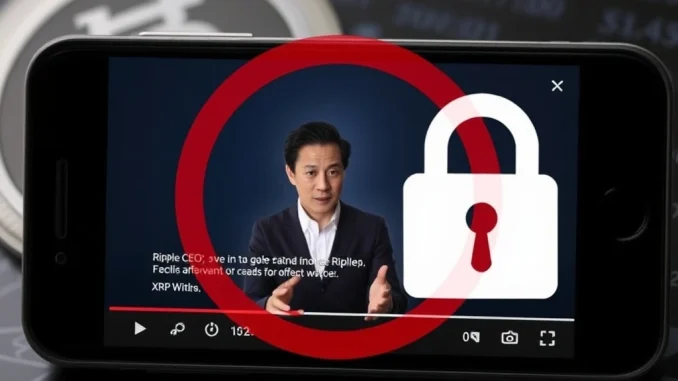
Ripple has identified a significant increase in YouTube-based impersonation schemes designed to defraud XRP holders. These sophisticated YouTube scams often involve malicious actors hijacking existing YouTube channels and rebranding them to mimic Ripple’s official presence. They go as far as using the legitimate-looking username “@Ripple” to create a false sense of authenticity.
The primary goal of these scams is to trick users into sending their XRP to fraudulent wallets, often under the guise of fake airdrops, giveaways, or investment opportunities. These schemes prey on the excitement surrounding cryptocurrency and target individuals, particularly those new to the space, who may not be fully aware of common scam tactics. The impersonation creates a deceptive environment, making it difficult for an untrained eye to distinguish between legitimate and fraudulent communications.
Ripple’s Crucial Warning: Safeguarding Your XRP Assets
In response to this escalating threat, Ripple has issued a definitive Ripple warning to its community. The company explicitly stated on its verified X profile that neither Ripple nor its executives will ever request users to transfer XRP under any circumstances. This is a fundamental rule for interacting with any legitimate cryptocurrency project – never send funds to receive more funds.
To help users protect themselves, Ripple has emphasized the importance of verifying official communication channels. They direct users to their verified social media accounts and a dedicated scam-identification resource page. It is vital for all XRP holders to cross-reference information and only engage with confirmed, official sources. If an offer seems too good to be true, it almost certainly is.
Beyond the Scams: Understanding Recent XRP Price Movements
This urgent warning coincides with some recent volatility in the XRP market. On July 14, 2025, XRP’s price declined by 1.99%, settling at $3.44, marking a two-day losing streak. While this XRP price drop might raise concerns, it’s important to understand its context.
Analysts attribute these recent price movements primarily to broader pressures within the crypto sector, rather than directly to Ripple’s operational strategies. One significant factor is the U.S. Securities and Exchange Commission’s (SEC) delay in approving Bitwise’s crypto ETF. Such regulatory uncertainties often cast a shadow over the entire market, impacting various digital assets, including XRP.
It’s also crucial to note that these price fluctuations are not tied to Ripple’s XRP escrow strategy. Ripple’s escrow system is designed to stabilize supply through periodic, controlled releases from reserve accounts, not to dump holdings and negatively impact the market. Claims of Ripple planning to sell its XRP escrow holdings have been dismissed by the company’s legal team, reinforcing that the current price dynamics are influenced by external market forces.
A Recurring Battle: Why This XRP News Echoes Past Challenges
The current wave of scams and Ripple’s response is not an isolated incident. This XRP news brings to mind Ripple’s legal history with YouTube, dating back to a 2020 lawsuit. That case centered on the platform’s alleged failure to remove impersonation content and fraudulent XRP schemes. Although the lawsuit was eventually settled, the proliferation of fraudulent accounts suggests the issue was not fully resolved.
Ripple CEO Brad Garlinghouse has also publicly criticized major social media platforms like YouTube and X for allowing deepfake videos, often using his likeness, to circulate as part of paid advertising campaigns. These incidents highlight the ongoing challenges in holding social media platforms accountable for enforcing anti-fraud measures in the rapidly evolving crypto space. Community members, like prominent XRP advocate XRPcryptowolf, have voiced calls for stronger legal action against platforms that enable such fraudulent activities.
Fortifying Your Digital Defenses: Essential Crypto Security Tips
The pervasive nature of these scams underscores the critical importance of robust crypto security. The digital asset ecosystem, while offering immense opportunities, remains vulnerable to sophisticated attacks. Reports indicate that $2.17 billion in crypto thefts occurred in the first half of 2025 alone, emphasizing the constant threat landscape.
To protect your digital assets, consider the following actionable insights:
- Verify Official Channels: Always double-check the source of any communication. Look for verified badges, official websites, and cross-reference information across multiple trusted sources.
- Be Skeptical of Unsolicited Offers: Legitimate projects will rarely ask you to send them cryptocurrency for a ‘return’ or ‘airdrop.’
- Enable Two-Factor Authentication (2FA): Use 2FA on all your crypto accounts and exchanges for an added layer of security.
- Use Hardware Wallets: For significant holdings, consider a hardware wallet (e.g., Ledger, Trezor) to keep your private keys offline.
- Beware of Phishing: Always check the URL of websites before entering credentials. Phishing sites often mimic legitimate ones with subtle spelling differences.
- Report Suspicious Activity: If you encounter a scam, report it to the platform it’s on and relevant authorities. Your report can help protect others.
Ripple’s public alerts serve as a stark reminder of the persistent risks in digital asset ecosystems. While companies like Ripple are taking steps to mitigate the impact of scams by reinforcing guidelines and encouraging user vigilance, the broader challenge requires collaborative efforts. Platforms, regulators, and industry participants must work together to develop more effective strategies for addressing impersonation threats and enhancing overall crypto security.
Frequently Asked Questions (FAQs)
What kind of YouTube scams are targeting XRP holders?
These scams typically involve malicious actors hijacking existing YouTube channels and rebranding them to impersonate Ripple’s official accounts. They use deceptive tactics like fake airdrop or giveaway announcements, urging users to send XRP to fraudulent wallets to receive more in return.
How can I verify official Ripple communications?
Always refer to Ripple’s officially verified social media accounts (e.g., their verified X profile) and their official website. Ripple has also provided a dedicated scam-identification resource page. Remember, Ripple and its executives will never ask you to send them XRP under any circumstances.
Is Ripple’s escrow selling affecting XRP’s price?
No, Ripple’s legal team has dismissed claims that the company plans to sell its XRP escrow holdings. Ripple’s escrow strategy is designed to stabilize supply through periodic releases, not to negatively impact the market. Recent XRP price movements are attributed to broader crypto sector pressures, such as SEC delays on ETF approvals.
What should I do if I encounter an XRP scam on YouTube or other platforms?
Do not interact with the scam. Immediately report the suspicious channel or content to the platform (e.g., YouTube, X). You can also report it to relevant cryptocurrency security organizations or regulatory bodies. Spreading awareness among your community can also help prevent others from falling victim.
Why are social media platforms not stopping these scams effectively?
Social media platforms face significant challenges in policing fraudulent content due to the sheer volume of uploads and the sophisticated methods used by scammers, including deepfakes and hijacked accounts. While platforms have policies, enforcement can be slow, and scammers often adapt quickly. This highlights the need for ongoing collaboration between platforms, crypto companies, and users.
What are the most important general crypto security best practices?
Key practices include enabling two-factor authentication (2FA) on all accounts, using strong and unique passwords, storing significant holdings in hardware wallets, being extremely cautious of unsolicited offers, verifying URLs to avoid phishing sites, and never sharing your private keys or seed phrases with anyone.