In the fast-paced world of cryptocurrency, where opportunities often meet risks, a critical threat has emerged: sophisticated deepfake scams. For anyone invested in or following XRP, this news is an urgent call to action. Ripple and its CEO, Brad Garlinghouse, have issued a stark warning to the crypto community about a disturbing surge in AI-generated deepfake scams impersonating the company and its executives, particularly on YouTube. These fraudulent schemes aim to exploit the heightened interest around XRP and deceive unsuspecting investors into parting with their valuable digital assets.
The Alarming Rise of XRP Deepfake Scams: What’s Happening?
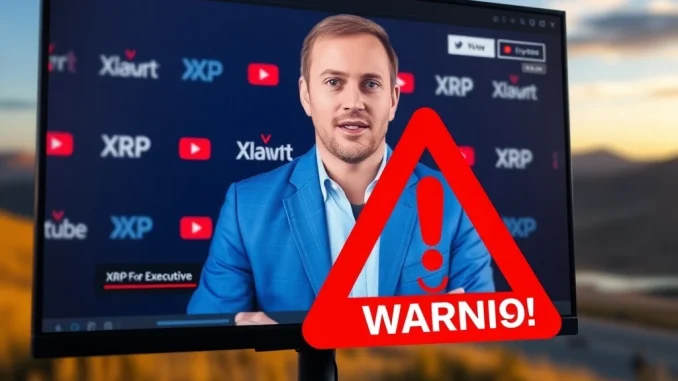
The cryptocurrency space, especially around prominent assets like XRP, is a fertile ground for fraudsters. Recent weeks have seen an alarming increase in XRP deepfake scams. These elaborate schemes leverage advanced AI technology to create highly convincing, yet entirely fake, livestreams. Here’s how they typically operate:
AI-Generated Impersonations: Scammers use deepfake technology to generate realistic videos and voiceovers mimicking Brad Garlinghouse and other Ripple figures. These aren’t just simple edits; they’re sophisticated enough to fool many viewers.
Fraudulent Giveaways: The core of these scams often revolves around fake XRP giveaway schemes. Victims are promised a larger return if they send a small amount of XRP (or other cryptocurrencies) to a specified wallet address, a classic ‘send-eth-get-more’ type of scam.
Hijacked Channels: Perpetrators frequently hijack legitimate, often inactive, YouTube channels. They then rebrand these channels to closely resemble Ripple’s official presence, complete with fake logos, banners, and channel descriptions, lending an air of authenticity.
Deceptive Authenticity: To enhance the illusion, scammers incorporate manipulated content such as fake timestamps, fabricated transaction logs, and QR codes that link to counterfeit websites. These details are designed to make the fraudulent streams appear legitimate.
These scams capitalize heavily on Ripple’s rising market prominence and legal visibility, especially during bullish market phases when investor interest in XRP is naturally heightened. As XRP price hikes occur, so does the intensity of these fraudulent activities, making vigilance more crucial than ever.
Why the Ripple Warning is Critical: A Prime Target for Fraudsters
Ripple has become a recurring target for impersonation scams, and the latest Ripple warning underscores a persistent vulnerability. The company’s significant legal battles, particularly with the SEC, and recent positive developments surrounding XRP have thrust it into the spotlight, making it an attractive lure for fraudsters. Brad Garlinghouse himself has acknowledged a clear pattern:
“There’s a direct correlation between market rallies and increased scam activity. When the market is optimistic, scammers ramp up their efforts to exploit that enthusiasm.”
This isn’t a new phenomenon for Ripple. The company has a history with deepfake video incidents promoting XRP-related schemes. However, the sophistication and frequency of these recent attacks highlight an escalating threat that demands immediate attention from both platforms and users. Despite Ripple’s repeated public statements emphasizing that the company will never solicit cryptocurrency transfers, the sheer volume of these scams demonstrates how persistent and adaptable fraudsters are.
YouTube’s Role and the Battle Against YouTube Crypto Scams
The role of platforms like YouTube in mitigating these pervasive threats remains a contentious issue. While YouTube reached a 2021 agreement with Ripple to collaborate on fraud prevention, recent waves of scams suggest ongoing challenges in enforcement. Users frequently report inconsistent moderation and slow removal of fraudulent content, allowing scams to reach vast audiences before being flagged or taken down. The platform continues to rely heavily on user reporting tools, but their effectiveness is debated, especially given the rising global losses from YouTube crypto scams.
The sheer scale of content uploaded daily to YouTube makes comprehensive pre-screening difficult, putting the onus largely on post-factum moderation and user vigilance. This creates a window of opportunity for scammers to operate, often for hours, before their fraudulent streams are detected and removed.
Broader Implications: A Pervasive Threat to the Crypto Ecosystem
The implications of these scams extend far beyond XRP. They underscore a broader, industry-wide vulnerability in digital asset markets. High-profile figures like Elon Musk, Vitalik Buterin, and Tim Cook have also been impersonated in similar schemes, reflecting the pervasive risk of AI-generated fraud across the entire digital landscape. Experts stress the urgent need for:
Enhanced Security Protocols: Platforms must invest more in AI-powered detection systems to identify and remove deepfake content proactively.
Improved Platform Accountability: Social media and video platforms need to take greater responsibility for the fraudulent content hosted on their sites.
User Education: A continuous effort to educate users about common scam tactics, red flags, and verification methods is crucial.
The increasing sophistication of AI-generated content means that what was once easily identifiable as fake is becoming increasingly difficult to distinguish from genuine material. This puts a significant burden on individual investors to be more discerning than ever.
How Can You Protect Yourself from XRP Deepfake Scams? Actionable Insights
In an environment rife with deceptive practices, protecting your investments requires proactive measures and a healthy dose of skepticism. Here are key actionable insights to safeguard yourself against XRP deepfake scams and other crypto frauds:
Verify Official Channels: Always verify communications purportedly from Ripple, Brad Garlinghouse, or any other executive through their official websites, verified social media accounts (look for blue ticks), or established news outlets. Never rely solely on a YouTube livestream or an unsolicited email.
Be Skeptical of Giveaways: Legitimate companies, especially in the crypto space, will never ask you to send them cryptocurrency with the promise of sending back more. This is a fundamental red flag for almost all crypto scams.
Look for Red Flags in Streams: Be wary of low viewer counts on seemingly official channels, repetitive comments, disabled comments, or streams that run for unusually long periods without new content.
Report Suspicious Content: If you encounter a deepfake scam or any fraudulent activity on YouTube or other platforms, report it immediately. Your report helps protect others.
Secure Your Accounts: Use strong, unique passwords and enable two-factor authentication (2FA) on all your crypto exchanges, wallets, and social media accounts. This adds a crucial layer of security.
Stay Informed: Keep up-to-date with the latest scam tactics. Knowledge is your best defense against evolving threats.
Conclusion: Vigilance is Your Strongest Shield
Ripple’s latest warning serves as a critical reminder of the evolving and increasingly sophisticated tactics employed by fraudsters in the digital asset space. As AI-generated content becomes more refined, the line between authentic and deceptive becomes blurrier. While platforms like YouTube have taken steps to address these issues, the persistent scam activity highlights the urgency for stronger enforcement, proactive measures, and, most importantly, heightened user awareness.
The responsibility to combat these threats falls on everyone: platforms to implement robust defenses, authorities to prosecute offenders, and individual investors to remain relentlessly vigilant. By adopting a skeptical mindset and adhering to best practices for digital security, you can significantly reduce your risk of falling victim to these insidious deepfake schemes and navigate the exciting world of cryptocurrency more safely.
Frequently Asked Questions (FAQs)
Q1: What exactly is an XRP deepfake scam?
An XRP deepfake scam involves fraudsters using artificial intelligence to create highly realistic fake videos and audio of Ripple executives, like Brad Garlinghouse, promoting fraudulent XRP giveaway schemes on platforms like YouTube. They trick users into sending XRP to scammer-controlled wallets by promising larger returns.
Q2: Why are XRP and Ripple a frequent target for these scams?
Ripple and XRP are often targeted due to their high market visibility, significant community interest, and recent legal developments. When XRP experiences price surges or is in the news, investor interest increases, making it a prime opportunity for scammers to exploit the heightened attention.
Q3: How can I tell if a YouTube livestream about XRP is a scam?
Look for red flags such as requests to send cryptocurrency for a larger return, disabled comments, unusually long and repetitive content, fake transaction logs, or QR codes leading to external sites. Always cross-reference any claims with Ripple’s official website or verified social media channels.
Q4: Has YouTube done anything to combat these crypto scams?
YouTube has stated it works with companies like Ripple to combat fraud and relies on user reporting. However, users often report slow moderation and inconsistent removal of fraudulent content, indicating ongoing challenges in effectively curbing these widespread scams.
Q5: What should I do if I encounter an XRP deepfake scam?
If you encounter a deepfake scam, do not interact with it or send any cryptocurrency. Report the video or channel to YouTube immediately. You can also report the incident to relevant cryptocurrency fraud prevention organizations or law enforcement.
Q6: Will Ripple or Brad Garlinghouse ever ask me to send them XRP?
No. Ripple and its executives, including Brad Garlinghouse, will never ask you to send them cryptocurrency as part of a giveaway, promotion, or for any other reason. Any such request is a scam.