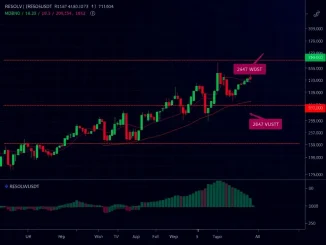
A **mysterious** event has captured the attention of the cryptocurrency market. An anonymous **crypto whale** recently executed a massive transaction, depositing 90 million **WLFI** tokens, valued at an astonishing $18.46 million, directly onto the **Bybit** exchange. This significant **Bybit deposit** immediately raised questions among market observers. Such large movements often precede major market shifts or strategic repositioning.
Understanding the Enigma of the Crypto Whale
Firstly, what exactly is a **crypto whale**? In the cryptocurrency world, a whale refers to an individual or entity holding a substantial amount of a particular cryptocurrency. These holders possess enough digital assets to potentially influence market prices with their trades. Their actions are closely watched by analysts and everyday traders alike. Consequently, a large deposit like this one often signals a potential intention to sell, or at least to increase liquidity on the exchange. Furthermore, tracking whale movements provides crucial insights into market sentiment and potential future price trends. This recent **WLFI** transaction exemplifies why whale activity remains a key indicator for many.
AmberCN, a reputable source, initially reported this intriguing **Bybit deposit**. The report highlighted the scale of the transaction. A staggering 90 million **WLFI** tokens moved in a single hour. This volume represents a significant portion of the token’s circulating supply. Therefore, its impact could be considerable, depending on the whale’s subsequent actions. Observers are now scrutinizing the market for any follow-up moves. The sheer size of the deposit demands attention from the broader **crypto trading** community.
WLFI Transaction: A Closer Look at the Details
The details surrounding this specific **WLFI** transaction are particularly noteworthy. Records show that the same address had withdrawn an identical amount of **WLFI** from **Bybit** approximately one month ago. At that time, the average withdrawal price stood at $0.225 per token. This historical data provides critical context for the current deposit. Understanding the whale’s previous activity helps in assessing their strategy.
Currently, the market price for **WLFI** is below the whale’s original acquisition cost. A sale at the present market value would result in an estimated **potential loss** of $1.89 million. This figure is substantial, even for a whale. It suggests a strategic decision, possibly driven by factors beyond immediate profit. Investors often wonder why such a large holder would accept such a loss. However, various reasons can explain such a move. For example, a whale might rebalance their portfolio or need to meet other financial obligations. This specific scenario offers a fascinating case study for those interested in large-scale **crypto trading** behaviors.
Analyzing the Potential Loss and Whale Strategy
The estimated **potential loss** of $1.89 million is a striking aspect of this **Bybit deposit**. When a whale moves assets at a loss, it can indicate several things. Firstly, they might be cutting losses on a position they no longer believe in. Secondly, they could be reallocating capital to another, more promising asset. Thirdly, the whale might require immediate liquidity for an unrelated investment or operational need. Such a move is not always a sign of distress. It could also be a calculated maneuver within a larger, long-term strategy. Therefore, market participants must consider all possibilities before drawing conclusions.
This situation also highlights the volatility inherent in **crypto trading**. Even large, experienced investors face significant price fluctuations. The decision to deposit such a large amount of **WLFI** despite the **potential loss** suggests a firm resolve. It might also influence the sentiment surrounding **WLFI** among smaller investors. Many look to whale movements for cues on market direction. Consequently, this deposit could trigger further selling pressure if perceived negatively. The market will undoubtedly watch closely for the whale’s next action on **Bybit**.
Implications for WLFI and the Broader Crypto Trading Market
This significant **Bybit deposit** of **WLFI** carries several implications for the token and the broader **crypto trading** ecosystem. Firstly, the increased supply on the exchange could exert downward pressure on **WLFI’s** price, especially if the whale decides to sell. This sudden influx of tokens could overwhelm current buy orders. Secondly, such a large transaction often sparks speculation and discussion within online communities. Traders will analyze the whale’s intentions and potential market impact. This heightened attention can lead to increased volatility for **WLFI** in the short term.
Furthermore, whale activity serves as a barometer for market health and investor confidence. A large **potential loss** taken by a whale might signal broader concerns about a specific asset or even the overall market. However, it could also be an isolated event. Experienced traders often use these signals to adjust their own strategies. They might consider taking profits or entering new positions. The transparency of blockchain transactions allows for this kind of real-time analysis, making whale watching a popular pastime in **crypto trading** circles. The **WLFI** deposit provides another compelling example of this dynamic.
Bybit’s Role in Facilitating Large-Scale Transactions
Bybit, as a leading cryptocurrency exchange, plays a crucial role in facilitating such large-scale transactions. Its robust infrastructure and deep liquidity pools allow whales to move significant amounts of assets without causing undue market disruption. Exchanges like Bybit provide the necessary environment for high-volume **crypto trading**. They connect buyers and sellers efficiently, even for multi-million dollar orders. This capability is essential for the smooth functioning of the digital asset market.
The platform’s ability to handle a **Bybit deposit** of 90 million **WLFI** tokens underscores its operational strength. Whales often choose exchanges with proven track records for security and liquidity. Therefore, Bybit’s involvement in this transaction is a testament to its standing in the industry. However, the exchange itself remains neutral. It simply provides the platform for trades to occur. The actions of the **crypto whale** are independent of the exchange, yet enabled by its services. This ongoing event continues to highlight the complex interplay between large holders and centralized exchanges.
Conclusion: Monitoring the Whale’s Next Move
The anonymous **crypto whale’s** $18.5 million **WLFI** deposit to **Bybit** represents a significant event in the current market landscape. While the immediate outcome remains uncertain, the **potential loss** involved makes this transaction particularly intriguing. This movement underscores the inherent volatility and strategic depth within **crypto trading**. Market participants will undoubtedly monitor this address for further activity. The next move by this whale could provide clearer indications of their strategy and impact on **WLFI’s** future price. Consequently, vigilance remains key for those tracking this unfolding story.
Frequently Asked Questions (FAQs)
1. What is a crypto whale?
A crypto whale is an individual or entity holding a very large amount of a specific cryptocurrency. Their substantial holdings give them the potential to significantly influence market prices through their trading activities. Their moves are closely watched by other investors.
2. What is WLFI?
WLFI refers to Wrapped LFI, a specific cryptocurrency token. While its exact utility can vary, it typically represents a wrapped version of another asset, designed for use within certain decentralized finance (DeFi) ecosystems or for easier trading on various platforms.
3. Why would a crypto whale deposit tokens at a potential loss?
A whale might deposit tokens at a potential loss for several strategic reasons. These include rebalancing their portfolio, cutting losses on an underperforming asset, needing immediate liquidity for other investments, or executing a larger, long-term strategy that prioritizes other factors over short-term profit on that specific asset.
4. How do whale movements affect the crypto trading market?
Whale movements can significantly impact the crypto trading market. Large deposits to exchanges often signal potential selling pressure, which can lead to price drops. Conversely, large withdrawals might indicate an intention to hold or move assets off-exchange, potentially signaling bullish sentiment. Their actions often create volatility and influence broader market sentiment.
5. What is Bybit?
Bybit is a prominent cryptocurrency exchange platform. It offers various services, including spot trading, derivatives trading, and staking. Known for its high liquidity and robust infrastructure, Bybit facilitates large-scale crypto transactions for both retail and institutional traders globally.
6. How can traders track whale activity?
Traders can track whale activity using blockchain explorers, which provide transparency into large transactions. Additionally, several analytics platforms and news outlets specialize in reporting significant whale movements, offering insights into potential market impacts. These tools help in making informed crypto trading decisions.