The cryptocurrency space often sees innovative proposals aimed at enhancing token value. Recently, the team behind WorldLibertyFinancial (WLFI) introduced a significant plan. This **Trump-linked crypto** project proposes a strategic use of its generated revenue. Specifically, they aim to dedicate all fees from managing protocol liquidity to **WLFI token** buybacks and burns. This move could fundamentally alter the token’s economic model. Many observers are now watching this **DeFi project** closely. It promises a direct mechanism to potentially increase scarcity and value.
Understanding the WLFI Token and Its Ecosystem
WorldLibertyFinancial (WLFI) positions itself within the decentralized finance (DeFi) sector. It aims to provide financial tools and services on the blockchain. This **DeFi project** has garnered attention due to its association. Reports indicate a connection to the Trump family, adding a unique dimension to its public profile. The core functionality of WLFI involves various liquidity management operations. These operations naturally generate **cryptocurrency fees**. The recent proposal targets these very fees. It seeks to repurpose them for the benefit of token holders. This approach is not entirely new in the crypto world. However, its specific application within WLFI draws considerable interest. The project’s overall goal is to foster a robust and sustainable digital economy. Its native **WLFI token** underpins all activities within this ecosystem. Therefore, its value proposition is crucial for long-term success.
The Mechanics of Token Buybacks and Burns
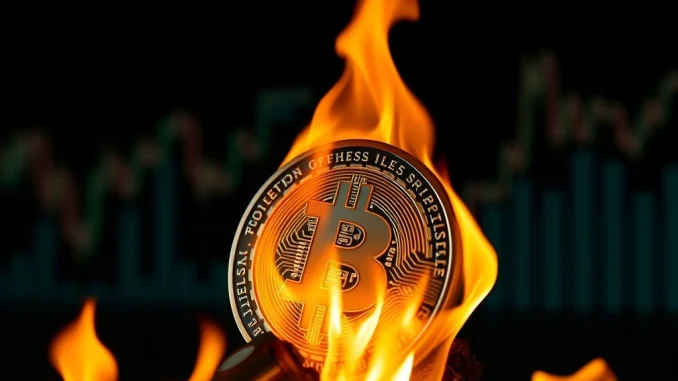
Understanding **token buybacks and burns** is key to grasping WLFI’s proposal. A token buyback involves a project purchasing its own tokens from the open market. This action reduces the circulating supply. Consequently, it can increase the demand for the remaining tokens. A token burn, conversely, permanently removes tokens from circulation. This is achieved by sending them to an unspendable address. Both mechanisms share a common goal: reducing token supply. They aim to create scarcity. This scarcity, in turn, often leads to an increase in the token’s price. For the **WLFI token**, this means any fees collected would directly fuel these supply-reduction efforts. This strategy often signals a team’s commitment. It shows dedication to the token’s long-term health and value.
Strategic Implications for WLFI Token Holders
The proposed buyback and burn mechanism carries significant implications for **WLFI token** holders. First, a reduced supply, assuming constant or growing demand, should theoretically drive up the token’s price. This creates a positive feedback loop for investors. Second, it demonstrates a clear value accrual strategy. Many **DeFi project**s struggle with sustainable tokenomics. This proposal offers a direct and transparent method. It channels protocol revenue directly back into the token’s value. Furthermore, it could enhance investor confidence. Knowing that **cryptocurrency fees** are used for this purpose provides assurance. It suggests a proactive management approach. This strategy contrasts with projects that accumulate fees without a clear redistribution or value-enhancement plan. It positions WLFI as a project focused on its community’s financial interests. Therefore, the long-term outlook for the token could become more attractive.
- Reduced supply potentially drives price appreciation.
- Clear value accrual mechanism for investors.
- Enhanced investor confidence through transparent use of fees.
Analyzing the WLFI DeFi Project’s Fee Structure
The WorldLibertyFinancial **DeFi project** generates revenue through various operations. These typically include transaction fees, lending interest, or fees from liquidity provision. The proposal specifically targets ‘all fees generated from managing the protocol’s liquidity.’ This suggests a substantial source of income. Liquidity management is central to many decentralized exchanges and financial protocols. Therefore, the volume of these **cryptocurrency fees** could be significant. Transparent reporting on these fees will be crucial. It will allow the community to verify the buyback and burn process. Such transparency builds trust. It also ensures accountability. The team’s commitment to using all such fees is notable. It signals a strong dedication to the token’s economic model. This could set a precedent for other emerging **Trump-linked crypto** ventures.
Broader Context of Cryptocurrency Fees and Tokenomics
Across the broader crypto landscape, the management of **cryptocurrency fees** is a critical aspect of tokenomics. Many projects use fees to reward stakers, fund development, or cover operational costs. However, the buyback and burn model has gained popularity. It is seen as a direct way to return value to token holders. Projects like Binance Coin (BNB) and Ethereum (ETH) have implemented similar burning mechanisms. These have significantly impacted their respective token values. For the **WLFI token**, adopting this strategy aligns it with established, successful models. This move could also attract new investors. They often seek projects with clear and beneficial tokenomics. The proposal signifies a mature approach to economic sustainability. It reflects a growing trend in the **DeFi project** space. Projects are increasingly prioritizing long-term value creation.
Examining the “Trump-Linked Crypto” Narrative
The association with the Trump family adds a unique dimension to WLFI. This **Trump-linked crypto** narrative can attract a specific demographic of investors. These investors may be politically aligned or simply curious about the intersection of politics and decentralized finance. However, it also introduces a layer of scrutiny. The performance and governance of WLFI will likely be observed closely. The proposal for **token buybacks and burns** could appeal to a wide audience, irrespective of political leanings. It represents a sound financial strategy. The team must navigate this dual identity carefully. They need to ensure the project’s technical and economic merits stand independently. The goal remains to build a robust and decentralized financial system. This system should offer tangible benefits to its users and **WLFI token** holders.
The WLFI team’s proposal marks a potentially pivotal moment for the **DeFi project**. By committing all liquidity management **cryptocurrency fees** to **token buybacks and burns**, they aim to strengthen the **WLFI token**’s value. This strategic move aligns with successful tokenomics models observed across the industry. While its **Trump-linked crypto** association draws unique attention, the underlying economic strategy focuses on fundamental supply-demand principles. The cryptocurrency community will undoubtedly monitor its implementation and long-term effects. This development underscores the continuous evolution of decentralized finance. It highlights the creative ways projects seek to build sustainable ecosystems.
Frequently Asked Questions (FAQs)
1. What is the WLFI token buyback and burn proposal?
The WLFI team proposes using all fees generated from managing the protocol’s liquidity to purchase WLFI tokens from the market (buyback) and then permanently remove them from circulation (burn). This aims to reduce supply and potentially increase the token’s value.
2. How do token buybacks and burns benefit WLFI token holders?
By reducing the total circulating supply of WLFI tokens, these mechanisms can increase scarcity. This often leads to higher demand and, consequently, a potential increase in the token’s market price, benefiting existing holders.
3. What does “Trump-linked crypto” mean in the context of WLFI?
“Trump-linked crypto” refers to reports and associations suggesting a connection between the WorldLibertyFinancial (WLFI) DeFi project and the Trump family. This connection has drawn additional public and media attention to the project.
4. Where do the fees for the buybacks and burns come from?
The proposal specifies that the funds will come from “all fees generated from managing the protocol’s liquidity.” These are typical **cryptocurrency fees** earned through various operations within the **DeFi project**, such as providing liquidity or facilitating transactions.
5. Is this strategy common in the DeFi space?
Yes, **token buybacks and burns** are a well-established strategy in decentralized finance (DeFi). Many prominent projects have implemented similar mechanisms to manage token supply, enhance value, and reward their communities.
6. How will the transparency of these operations be ensured?
While the proposal outlines the intent, successful implementation will require transparent reporting. The **DeFi project** team should provide clear data on fees collected, tokens bought back, and tokens burned to maintain community trust and accountability.