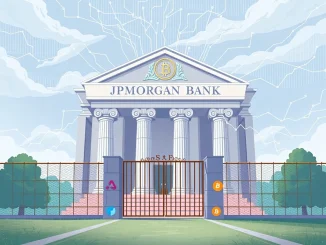
The cryptocurrency world is buzzing with a startling accusation that cuts to the heart of financial innovation and competition. In a significant development for Bitcoin News Today, Gemini co-founder Tyler Winklevoss has publicly leveled a serious charge against banking giant JPMorgan Chase & Co. He alleges that JPMorgan is retaliating against his company by pausing its re-onboarding process, a move he frames as part of a broader, deliberate effort to undermine fintech and crypto firms through restrictive data access policies.
The Heart of the Dispute: Winklevoss JPMorgan Clash Over Data
At the core of this escalating conflict is JPMorgan’s recent decision to charge third-party platforms, such as Plaid, for accessing customer banking data. Tyler Winklevoss contends that this policy is not merely a business decision but a calculated strategy designed to “bankrupt fintechs” by severely limiting their ability to connect users to vital crypto services like Gemini, Coinbase, and Kraken. According to Winklevoss, the bank’s alleged retaliation against Gemini began immediately after he publicly criticized JPMorgan’s new fee structure on social media. He didn’t mince words, accusing CEO Jamie Dimon of orchestrating an “anti-competitive, rent-seeking” strategy aimed squarely at suppressing innovation within the burgeoning crypto sector.
This isn’t the first time tensions have flared between the Winklevoss twins and JPMorgan. Tyler Winklevoss drew a direct link between the current standoff and JPMorgan’s historical attempts to weaken the Consumer Financial Protection Bureau’s (CFPB) Section 1033 rule. This crucial regulation mandates free data sharing between banks and third-party services, a cornerstone of open banking. He also referenced past frictions, including Gemini’s 2023 exclusion from JPMorgan during the Biden administration’s increased regulatory scrutiny of crypto businesses, though Gemini had previously stated that this didn’t disrupt their operations. The ongoing dispute has gained intensity amidst broader legal challenges to the CFPB’s open banking policy, with JPMorgan and other major banks actively seeking to roll back rules that facilitate data access for fintech companies.
Why Crypto Data Fees Are a Battleground for Innovation
The concept of crypto data fees might seem technical, but its implications for the digital asset ecosystem are profound. For crypto firms and fintechs, seamless and affordable access to customer banking data is not a luxury; it’s a necessity. These platforms rely on this data to verify identities, link bank accounts for deposits and withdrawals, and provide a holistic financial experience for their users. When traditional banks impose significant fees for this access, it creates a substantial barrier to entry and operation, especially for smaller or emerging fintechs.
Winklevoss argues that these fees are a thinly veiled attempt to “silence” crypto advocates and control the flow of capital into the digital economy. By making data access prohibitively expensive, large incumbent banks can effectively stifle competition and limit consumer choice. This strategy, if successful, could severely hinder the growth of decentralized finance (DeFi) and other crypto innovations that rely on bridging traditional financial systems with blockchain technology. The debate highlights a fundamental disagreement over who controls financial data and how it should be used to foster a more interconnected and competitive financial landscape.
Navigating the Future of Open Banking Amidst Fintech Challenges
The allegations from Tyler Winklevoss underscore the growing friction between traditional financial institutions and the rapidly expanding crypto industry over the principles and implementation of open banking regulations. Open banking, at its core, aims to give consumers more control over their financial data, allowing them to share it securely with third-party providers to access innovative services. For fintechs, this means the ability to offer personalized financial management tools, budgeting apps, and, crucially for this discussion, streamlined access to crypto exchanges.
However, the implementation of open banking has faced significant resistance from some large banks who view mandated data sharing as a threat to their established market dominance. The current standoff between Gemini and JPMorgan serves as a stark reminder of the fintech challenges in navigating these regulatory waters. Crypto firms, in particular, often struggle to secure stable traditional banking partnerships due to regulatory uncertainty and institutional resistance to digital assets. This situation is further exacerbated when banks are perceived to be selectively restricting access or imposing prohibitive costs on services for crypto businesses, raising serious questions about fair competition and consumer rights in an increasingly digital world.
The dispute also intersects with broader political dynamics. Winklevoss criticized JPMorgan for allegedly undermining President Trump’s pro-crypto agenda, which aims to position the U.S. as a global leader in digital assets. This aligns with the Winklevoss twins’ well-known political support for Trump and their consistent advocacy for crypto-friendly policies, adding a political dimension to an already complex financial and regulatory battle.
What This Means for Bitcoin News Today and Beyond
The Gemini-JPMorgan rift is more than just a dispute between two financial entities; it underscores a larger struggle over the balance of power in the financial system. The outcome of this debate, particularly concerning open banking rules and data access, will have significant implications for the future of the U.S. financial sector and the trajectory of cryptocurrency adoption. JPMorgan’s continued silence on these specific allegations has left the dispute in a legal and regulatory limbo, leaving many in the industry to speculate on the potential ramifications.
Industry observers are closely watching how this unfolds, as it could set precedents for how traditional banks interact with fintechs and crypto firms moving forward. If banks can effectively control data access through prohibitive fees, it could significantly slow down innovation and limit consumer choice in financial services. Conversely, if regulators uphold and strengthen open banking principles, it could pave the way for a more integrated, competitive, and consumer-centric financial ecosystem where digital assets play a more prominent role. This ongoing saga remains a critical storyline in the evolving narrative of cryptocurrency and its push for mainstream integration.
Frequently Asked Questions (FAQs)
1. What is the core accusation made by Tyler Winklevoss against JPMorgan?
Tyler Winklevoss alleges that JPMorgan Chase & Co. retaliated against his company, Gemini, by pausing its re-onboarding process. He claims this was in response to his public criticism of JPMorgan’s new policy to charge third-party platforms, like Plaid, for accessing customer banking data, a move he believes is designed to stifle crypto and fintech firms.
2. How do data access fees allegedly impact crypto firms?
Winklevoss argues that these fees will “bankrupt fintechs” by making it too expensive for them to connect users to crypto services like Gemini, Coinbase, and Kraken. Crypto firms rely on this data access for essential functions like identity verification and linking user bank accounts for transactions. High fees limit their operational capacity and ability to compete.
3. What is the CFPB’s Section 1033 rule, and why is it relevant?
The Consumer Financial Protection Bureau’s (CFPB) Section 1033 rule mandates free data sharing between banks and third-party services. This rule is highly relevant because Winklevoss links JPMorgan’s actions to its historical efforts to weaken this regulation, which is a cornerstone of open banking and crucial for fintech innovation.
4. How does this dispute relate to open banking?
The dispute is central to the concept of open banking, which advocates for consumers having control over their financial data and the ability to share it securely with third-party providers. JPMorgan’s alleged actions are seen by critics as an attempt to undermine the principles of open banking by restricting data access and thereby stifling competition and innovation in the financial sector.
5. What are the broader implications for the crypto industry’s banking relationships?
This conflict highlights the ongoing challenges crypto firms face in securing stable traditional banking partnerships. It amplifies concerns about banks selectively restricting access to services for crypto businesses, raising questions about fair competition and consumer rights. The outcome could set precedents for future interactions between traditional finance and the digital asset space.
6. Has JPMorgan responded to these allegations?
As of the time of this article, JPMorgan Chase & Co. has remained silent on the specific allegations made by Tyler Winklevoss, leaving the dispute in a state of legal and regulatory limbo.