The landscape of digital assets constantly evolves. Consequently, the need for clear rules becomes paramount. In a significant development, the White House crypto lead, David Sacks, recently engaged in crucial discussions. These talks centered on a foundational piece of legislation, the crypto market structure bill, known as the CLARITY Act. This engagement signals a concerted effort from the highest levels of government to bring regulatory clarity to the burgeoning digital asset space.
White House Crypto Leadership Drives Regulatory Progress
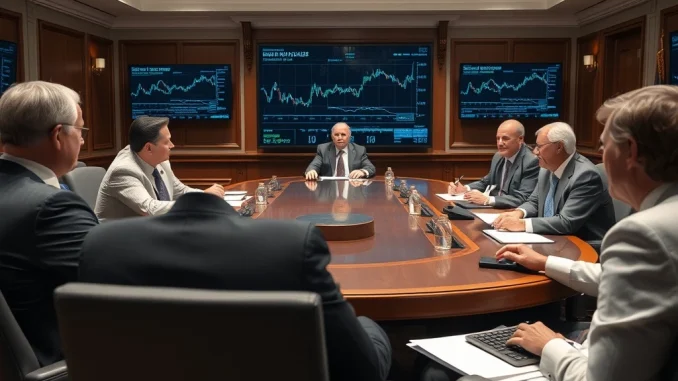
David Sacks, serving as the White House’s principal voice for AI and cryptocurrency, shared insights from a productive meeting. He held discussions with the Senate Agriculture Committee, a key body in shaping commodity-related legislation. Sacks highlighted the constructive nature of these talks. He believes substantial strides have been made towards a more defined regulatory framework for cryptocurrencies. This progress offers a glimmer of hope for an industry often grappling with regulatory uncertainty. Therefore, many stakeholders are closely watching these developments.
Sacks expressed optimism regarding the discussions. He anticipates the preparation of a bipartisan joint draft in the near future. This would represent a crucial step forward. A unified approach across political lines is essential for effective and lasting crypto regulation. The White House’s direct involvement underscores the growing importance of digital assets on the national agenda. It also emphasizes the administration’s commitment to fostering responsible innovation while protecting consumers and ensuring market integrity. Consequently, this high-level engagement is a positive sign for the industry.
Understanding the CLARITY Act: A Cornerstone for Crypto Market Structure Bill
The CLARITY Act stands as a pivotal legislative proposal. Its primary goal is to establish a clear regulatory framework for digital assets. Currently, the classification of various cryptocurrencies remains ambiguous. This ambiguity often leads to confusion and jurisdictional disputes between regulatory bodies. For instance, some tokens are treated as securities, while others are deemed commodities. This lack of clear definitions impedes innovation and creates compliance challenges for businesses operating in the crypto space. The CLARITY Act aims to resolve these fundamental issues.
This proposed crypto market structure bill seeks to provide a definitive classification system. It would assign appropriate regulatory oversight to digital assets. Such clarity is vital for both investors and innovators. It offers predictability and reduces regulatory risk. Furthermore, it could attract more institutional investment into the sector. A well-defined structure ensures market stability and fosters investor confidence. Therefore, the CLARITY Act is seen as a foundational piece of legislation for the future of digital finance in the United States.
Key Objectives of the CLARITY Act:
- **Defining Digital Assets:** Establishing clear legal definitions for various types of digital assets, including cryptocurrencies, stablecoins, and NFTs.
- **Jurisdictional Clarity:** Delineating the roles of key regulatory agencies, such as the Commodity Futures Trading Commission (CFTC) and the Securities and Exchange Commission (SEC), in overseeing different segments of the crypto market.
- **Consumer Protection:** Implementing robust safeguards to protect investors from fraud, manipulation, and other illicit activities within the digital asset ecosystem.
- **Market Integrity:** Ensuring fair and orderly trading practices, promoting transparency, and preventing systemic risks in the crypto markets.
The Senate Agriculture Committee’s Role in Crypto Regulation
The involvement of the Senate Agriculture Committee might seem unconventional at first glance. However, it holds significant relevance for crypto regulation. This committee traditionally oversees legislation related to commodities. Many digital assets, particularly Bitcoin and Ethereum, are often classified as commodities by US regulators. Therefore, any comprehensive framework for digital assets must consider this aspect. The committee’s expertise in commodity markets positions it uniquely to address certain facets of crypto oversight. Its engagement is critical for any bill aiming to provide a holistic regulatory approach.
The committee’s discussions with David Sacks highlight the collaborative effort required. Lawmakers are working to navigate the complexities of digital asset markets. This cooperation across various governmental branches and committees is essential. It ensures that any resulting legislation is both effective and comprehensive. Moreover, it reflects a growing recognition within Congress of the need for specialized knowledge in this evolving sector. Consequently, the committee’s insights are invaluable for shaping the final form of the CLARITY Act.
The Broader Context of US Crypto Regulation Efforts
The discussions surrounding the CLARITY Act are not isolated. They form part of a larger, ongoing effort to establish a robust framework for crypto regulation in the United States. Various proposals and executive orders have emerged over the past few years. These initiatives reflect a growing urgency to address the unique challenges and opportunities presented by digital assets. The Biden administration, through the White House, has emphasized a ‘whole-of-government’ approach. This involves multiple agencies working together to understand and regulate the space. Therefore, Sacks’ engagement with the Senate is a vital piece of this broader strategy.
The lack of a unified regulatory stance has often put the US behind other nations. Many countries have already adopted more defined frameworks. This fragmented approach can stifle innovation domestically. It also pushes crypto businesses overseas. A clear, comprehensive crypto market structure bill could reverse this trend. It would foster a more competitive and secure environment for digital asset companies within the US. Furthermore, it would provide certainty for investors. This collective push for clarity indicates a turning point for the industry.
Challenges and the Path Ahead for White House Crypto Initiatives
Achieving a bipartisan joint draft of the CLARITY Act presents its own set of challenges. The political landscape is often divided. Reaching consensus on complex financial legislation requires significant negotiation and compromise. Different political factions hold varying views on the appropriate level of regulation for cryptocurrencies. Some advocate for a light-touch approach to foster innovation. Others demand strict oversight to protect consumers and prevent illicit activities. David Sacks’ optimism suggests that common ground is indeed being found. This is a testament to the importance of the issue.
The path to enacting a comprehensive crypto market structure bill will likely involve further discussions and revisions. However, the reported progress from the White House crypto lead is encouraging. It indicates a genuine commitment to moving forward. The involvement of the Senate Agriculture Committee, alongside other relevant bodies, ensures a multi-faceted perspective. Ultimately, the successful passage of such legislation could significantly shape the future of digital finance. It would provide the clarity and stability the industry has long sought. This collaborative spirit is essential for navigating complex policy challenges.
Conclusion: A Promising Step Towards Crypto Regulatory Clarity
The recent discussions led by David Sacks, the White House crypto lead, mark a promising moment for the digital asset industry. His constructive engagement with the Senate Agriculture Committee regarding the CLARITY Act underscores a serious commitment. This commitment is to establishing a robust and clear crypto market structure bill. The anticipation of a bipartisan joint draft signifies substantial progress. It also highlights a growing consensus on the necessity of comprehensive crypto regulation.
Such legislative clarity is crucial for fostering innovation, protecting consumers, and solidifying the United States’ position. It ensures the nation remains a leader in the global digital economy. As these efforts continue, the crypto community will watch closely. They hope for a future where clear rules empower growth and ensure stability. This journey towards regulatory certainty is complex. Nevertheless, the recent developments offer genuine optimism for a well-defined digital asset landscape.
Frequently Asked Questions (FAQs)
What is the CLARITY Act?
The CLARITY Act is a proposed crypto market structure bill. It aims to create a clear regulatory framework for digital assets in the United States. Its goal is to define various digital assets and clarify which regulatory agencies, like the CFTC or SEC, have jurisdiction over them.
Who is David Sacks and what is his role?
David Sacks is the White House lead for AI and cryptocurrency. In this capacity, he plays a crucial role in shaping the administration’s policy and strategy regarding artificial intelligence and digital assets. He represents the White House in discussions with Congress and industry stakeholders.
Why is the Senate Agriculture Committee involved in crypto regulation?
The Senate Agriculture Committee has jurisdiction over commodities. Many cryptocurrencies, such as Bitcoin, are often classified as commodities by US regulators. Therefore, this committee’s involvement is vital for any comprehensive crypto market structure bill that seeks to regulate these assets.
What does ‘bipartisan joint draft’ mean for the CLARITY Act?
A bipartisan joint draft means that lawmakers from both major political parties (Democrats and Republicans) are collaborating on the legislation. This indicates a broader consensus and increases the likelihood of the bill passing through Congress and becoming law. It suggests a unified approach to crypto regulation.
How will the CLARITY Act impact the crypto industry?
If enacted, the CLARITY Act is expected to bring much-needed regulatory certainty to the crypto industry. It could foster innovation by providing clear rules for businesses, attract more institutional investment, enhance consumer protection, and establish the US as a leader in digital asset markets.
What are the main challenges in passing a crypto market structure bill?
Key challenges include reaching consensus among different political factions, balancing innovation with consumer protection, and navigating the complex technical aspects of digital assets. Different regulatory agencies also have overlapping interests, which requires careful coordination to define clear jurisdictional lines.