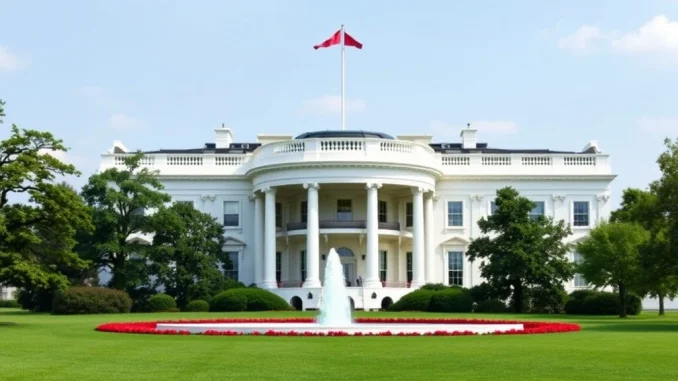
The cryptocurrency world was buzzing this week as the White House finally unveiled its long-awaited digital asset framework. While the report provides much-needed clarity on crypto regulation, it conspicuously avoids addressing one critical question: What will happen to the U.S. government’s massive Bitcoin reserves? This omission has sent shockwaves through the crypto community and left investors scrambling for answers.
White House Crypto Framework: What’s Included and What’s Missing
The 166-page report from the President’s Working Group on Digital Asset Markets outlines three key priorities:
- Regulatory clarity for crypto businesses
- Support for financial innovation
- Enhanced investor protections
However, the document remains frustratingly vague about the government’s estimated 198,012 BTC holdings (worth approximately $23 billion). The single phrase “generally not be sold” has become the focus of intense speculation among market participants.
Why the Bitcoin Reserve Plan Matters
The uncertainty surrounding the U.S. government’s Bitcoin strategy creates several challenges:
| Challenge | Impact |
|---|---|
| Market volatility | Prices fluctuate with every rumor |
| Investor uncertainty | Difficult to make long-term plans |
| Regulatory gaps | Other nations may gain advantage |
Crypto Regulation Takes Center Stage
The report does make significant progress in other areas of digital asset policy:
- Establishes 180-day review timeline
- Outlines stablecoin regulation framework
- Proposes interagency collaboration model
These measures align with the administration’s goal to make the U.S. a “crypto capital,” but without clarity on Bitcoin reserves, many feel the job is only half done.
Market Reaction to the Crypto Framework
Initial market response was mixed:
- Brief price dip following report release
- Ongoing volatility due to uncertainty
- Industry leaders express cautious optimism
The lack of a definitive Bitcoin reserve policy continues to weigh on investor sentiment, creating what analysts call “regulatory limbo.”
What Comes Next for Bitcoin Regulation?
While the framework represents progress, several unanswered questions remain:
- When will the Treasury Department establish clear Bitcoin reserve policies?
- How will forfeited crypto assets be managed?
- What role will Bitcoin play in national financial strategy?
With a 180-day review period now underway, the crypto community waits anxiously for more concrete answers.
Frequently Asked Questions
Q: How much Bitcoin does the U.S. government currently hold?
A: Estimates suggest approximately 198,012 BTC, valued at over $23 billion.
Q: Why didn’t the report address Bitcoin reserves?
A: The administration appears to still be finalizing its strategy, though the “generally not be sold” language suggests they’re considering long-term holding.
Q: How did Bitcoin prices react to the news?
A: Prices dipped briefly before stabilizing, with ongoing volatility due to the uncertainty.
Q: What other crypto legislation is moving forward?
A: The GENIUS Act, CLARITY Act, and Anti-CBDC Act are all part of the current legislative agenda.
Q: When can we expect more clarity?
A: The 180-day review timeline suggests answers may come by early 2026.