The cryptocurrency world has been rocked by a significant UXLINK hack, raising serious questions about the integrity of digital assets. Recently, a staggering 1 billion UXLINK tokens were minted without authorization, sending shockwaves through the community. This incident highlights the persistent challenges in maintaining robust crypto security within the rapidly evolving blockchain ecosystem.
Understanding the UXLINK Hack and Unauthorized Token Minting
On [Date/Time, if known], UXLINK announced a critical security breach. A hacker successfully minted 1 billion UXLINK tokens. This unauthorized issuance occurred approximately one hour before the official confirmation. Furthermore, UXLINK promptly clarified that this minting did not comply with its official white paper. Therefore, the project declared the newly minted tokens invalid. This declaration aimed to mitigate immediate panic and establish the project’s stance on the fraudulent activity.
Token minting refers to the process of creating new cryptocurrency tokens. Typically, this process follows strict protocols and smart contract rules. However, in this instance, the hacker bypassed these established mechanisms. Such an event directly undermines the foundational principles of trust and transparency in blockchain technology. Consequently, it creates a precarious situation for all token holders and the wider market.
The Fallout: Impact on UXLINK Tokens and Decentralized Exchanges
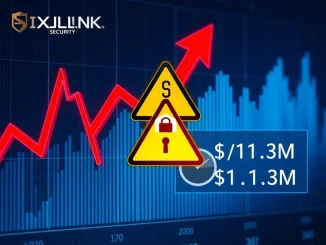
The unauthorized token minting incident quickly led to significant market instability. Prior to the official announcement, a suspicious $11.3 million transaction was linked to the project. This transaction caused the UXLINK price to plummet sharply. The sudden price drop indicated immediate market reaction to perceived vulnerabilities. Consequently, many investors faced potential losses as the value of their holdings decreased.
UXLINK has issued a strong warning to its users. They advise refraining from trading UXLINK on decentralized exchanges (DEXs). This recommendation aims to prevent further potential losses for individuals. Trading invalid or compromised tokens on DEXs can lead to irreversible financial damage. DEXs operate without central authority, making it difficult to reverse fraudulent transactions once executed. Therefore, user caution is paramount in such volatile circumstances.
UXLINK’s Response to the Crypto Security Breach
In the wake of the UXLINK hack, the project immediately initiated a comprehensive response. First, UXLINK confirmed it is actively tracking the stolen funds. This process involves collaborating with blockchain analytics firms and potentially law enforcement. Tracking stolen digital assets is a complex but crucial step in recovering funds and identifying perpetrators. Moreover, this action demonstrates the project’s commitment to accountability.
Secondly, UXLINK is preparing a compensation plan for victims. This proactive measure aims to restore user trust and mitigate the financial impact on affected individuals. Details of this plan are expected to be released soon. Such a commitment to restitution is vital for any project facing a significant security incident. Ultimately, it reflects a dedication to maintaining community confidence in the face of adversity.
Broader Implications for Blockchain and Crypto Security
This incident with UXLINK tokens serves as a stark reminder of ongoing crypto security challenges. Even established projects can become targets for sophisticated attackers. The unauthorized minting highlights vulnerabilities that can exist within smart contracts or underlying protocols. Therefore, continuous audits and robust security measures are essential for all blockchain projects. Furthermore, developers must prioritize security at every stage of development.
The broader implications extend beyond UXLINK itself. Every such incident impacts the overall perception of the cryptocurrency market. It underscores the need for constant vigilance and innovation in security practices. Projects must implement multi-layered security frameworks. They also need to conduct regular penetration testing. Ultimately, strengthening the entire ecosystem benefits all participants.
Navigating Risks on Decentralized Exchanges After a Security Incident
The warning against trading on decentralized exchanges is critical. Users must exercise extreme caution during and after a security breach. DEXs offer peer-to-peer trading without intermediaries. However, this also means users bear full responsibility for their trades. There is no central authority to reverse transactions or protect against fraudulent assets. Consequently, users need to perform thorough due diligence.
To protect themselves, users should:
- Verify official announcements directly from project channels.
- Avoid interacting with suspicious smart contracts.
- Refrain from trading tokens immediately after a reported hack.
- Understand the risks associated with liquidity pools containing compromised assets.
These steps help minimize exposure to potential scams and further financial losses. Moreover, staying informed through reliable sources is crucial for making sound decisions.
Conclusion: A Call for Vigilance in the Crypto Space
The recent UXLINK hack represents a serious challenge to the project and the broader crypto community. The unauthorized minting of 1 billion UXLINK tokens underscores the constant threat of sophisticated cyberattacks. UXLINK’s swift response, including tracking funds and planning compensation, is a positive step. However, this event emphasizes the critical importance of robust crypto security measures across all platforms. Users must remain vigilant, especially when interacting with decentralized exchanges. Ultimately, collective effort from projects and users alike will strengthen the integrity of the digital asset landscape.
Frequently Asked Questions (FAQs)
What exactly happened with UXLINK?
A hacker successfully minted 1 billion UXLINK tokens without authorization. UXLINK announced this breach on X, confirming the tokens were not issued according to their white paper and are therefore invalid.
Are my existing UXLINK tokens safe after this incident?
UXLINK has not stated that existing, legitimate tokens are compromised. However, they advised users to avoid trading UXLINK on decentralized exchanges to prevent potential losses from interacting with the invalid tokens or affected liquidity pools.
What are decentralized exchanges (DEXs), and why should I avoid them now?
Decentralized exchanges (DEXs) allow direct peer-to-peer cryptocurrency trading without a central intermediary. UXLINK advised avoiding DEXs because trading compromised or invalid UXLINK tokens could lead to irreversible financial losses, as there’s no central authority to reverse such transactions.
How can I protect myself from similar crypto security incidents?
Always verify information from official project channels, avoid suspicious links or contracts, use strong unique passwords, enable two-factor authentication, and be cautious when trading immediately after a reported hack. Understanding the risks associated with decentralized platforms is also crucial.
What steps is UXLINK taking to address the hack?
UXLINK has confirmed it is tracking the stolen funds. Additionally, the project is preparing a compensation plan for victims of the unauthorized token minting. They aim to restore user trust and mitigate financial impact.
Does this UXLINK hack affect other cryptocurrencies or blockchain projects?
While the hack directly targets UXLINK, such incidents raise broader concerns about blockchain and crypto security. They often prompt other projects to review their own security protocols. It serves as a reminder for the entire industry to enhance protective measures.