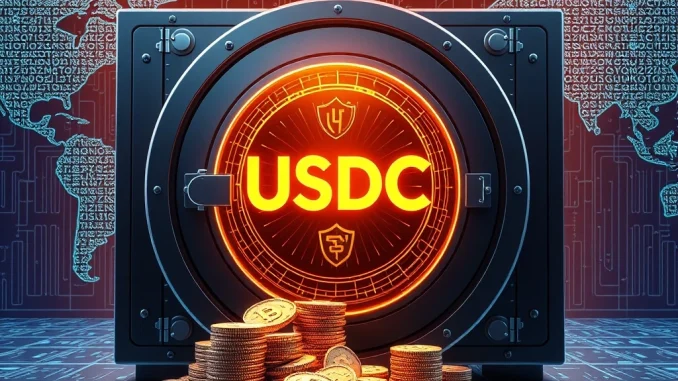
The cryptocurrency world often experiences rapid shifts. Therefore, staying informed about major on-chain movements is essential. A recent report from Whale Alert has captured significant attention. Specifically, 250 million USDC has been minted at the USDC Treasury. This substantial transaction underscores dynamic shifts within the stablecoin ecosystem and broader crypto markets. Consequently, market participants are closely analyzing its potential implications. This event provides a crucial snapshot into current liquidity demands and the operational mechanics of major stablecoins. It is a vital cryptocurrency update for investors and enthusiasts alike.
Understanding the Recent USDC Minting Event
Whale Alert, a renowned blockchain transaction tracker, first brought this significant event to light. On a recent date, a substantial sum of 250 million USDC entered circulation. This minting occurred directly from the USDC Treasury. Essentially, minting refers to the creation of new tokens. In the context of stablecoins like USDC, this process involves issuing new tokens backed by an equivalent amount of fiat currency, typically US dollars. This action ensures the stablecoin maintains its 1:1 peg. Therefore, the minting process is a fundamental aspect of stablecoin operations. It directly reflects demand for the asset.
This particular USDC minting event is noteworthy due to its sheer scale. A quarter of a billion dollars in new stablecoin represents a considerable injection of liquidity. Such large-scale operations are not uncommon in the fast-paced crypto environment. However, they always warrant close examination. They can signal various underlying market conditions. For instance, increased demand from institutional investors or a general uptick in trading activity often precedes such mints. Consequently, understanding these events helps market observers gauge prevailing sentiment. It also offers insights into potential future market movements.
What is USDC? A Stablecoin Overview
USDC stands for USD Coin. It is a prominent stablecoin pegged to the US dollar. Circle and Coinbase jointly founded the Centre consortium, which issues USDC. The primary goal of USDC is to provide a stable digital asset. This stability is crucial in the highly volatile cryptocurrency market. Each USDC token is theoretically redeemable for one US dollar. Furthermore, these dollars are held in audited reserves. This robust backing mechanism is fundamental to USDC’s credibility. It ensures user confidence in its value stability.
USDC plays a pivotal role in the decentralized finance (DeFi) ecosystem. It facilitates various activities, including:
- Trading: Users can quickly move between volatile cryptocurrencies and a stable asset.
- Lending and Borrowing: Many DeFi protocols utilize USDC for these services.
- Payments: It offers a fast and efficient way to conduct cross-border transactions.
The transparent nature of USDC’s operations contributes significantly to its widespread adoption. Regular attestations confirm the reserves backing the tokens. This commitment to transparency sets a high standard for the entire stablecoin industry. Therefore, news related to USDC, such as this large minting, is always significant stablecoin news. It impacts a broad spectrum of crypto users and applications.
The Role of the USDC Treasury in Minting Operations
The USDC Treasury acts as the central hub for the creation and redemption of USDC tokens. It is not a traditional government treasury. Instead, it refers to the controlled address or smart contract mechanism managed by the Centre consortium. When new USDC is minted, it originates from this treasury. Conversely, when users redeem USDC for fiat currency, the corresponding tokens are burned or removed from circulation by the treasury. This controlled supply mechanism is vital for maintaining the stablecoin’s peg. It ensures that the total supply of USDC accurately reflects its reserves.
The minting process is initiated when authorized participants deposit US dollars into Circle’s bank accounts. Once these funds are verified, the equivalent amount of USDC is programmatically created. These newly minted tokens are then transferred to the participant’s blockchain address. This seamless process allows for efficient onboarding of capital into the crypto ecosystem. It also enables large institutions to manage their digital asset holdings effectively. Consequently, the treasury’s activity is a direct indicator of demand for dollar-pegged liquidity within crypto markets.
Transparency is a cornerstone of the USDC Treasury’s operations. All minting and burning events are recorded on public blockchains. This immutable record allows anyone to verify the supply of USDC at any given time. This open ledger fosters trust and accountability. Furthermore, independent accounting firms regularly audit the reserves held by Circle. These audits confirm that every USDC token in circulation is backed by an equivalent US dollar or highly liquid cash equivalents. This rigorous financial oversight distinguishes USDC within the stablecoin landscape. It provides crucial assurance to its users globally.
Implications of Large-Scale Minting for the Cryptocurrency Market
A 250 million USDC minting event carries several potential implications for the broader cryptocurrency update. Firstly, it often signals increased demand for stablecoins. This demand can stem from various sources. Institutional investors might be looking to enter the market. They often use stablecoins as an on-ramp. Additionally, existing market participants may be preparing for new trading opportunities. They use stablecoins to park funds temporarily. This influx of capital provides fresh liquidity. It can potentially fuel buying pressure for other cryptocurrencies.
Secondly, such a large mint could indicate a shift in market sentiment. If traders are moving funds into stablecoins, it might suggest a defensive posture. However, if these stablecoins are then used to buy other assets, it signals bullish sentiment. The direction of flow after minting is crucial. It reveals whether the funds are being held or deployed. Historically, significant stablecoin mints have often preceded upward movements in Bitcoin and Ethereum. This is because the newly created stablecoins are typically used to purchase these major assets.
Moreover, increased USDC supply can enhance the efficiency of decentralized finance (DeFi) protocols. More liquidity means deeper trading pools. It also allows for larger lending and borrowing capacities. This boosts the overall health and functionality of the DeFi ecosystem. Consequently, the minting event could contribute to greater stability and growth within DeFi. It facilitates more robust and reliable financial services on the blockchain. Therefore, monitoring these large stablecoin movements offers valuable insights into the market’s underlying dynamics and future trajectory.
Whale Alert: Tracking Significant On-Chain Activity
Whale Alert serves as a vital tool for cryptocurrency enthusiasts and analysts. It is an automated system that monitors large transactions on various blockchains. The platform provides real-time notifications for significant movements of digital assets. These alerts include transfers of Bitcoin, Ethereum, stablecoins, and other major cryptocurrencies. Its reports are widely followed. They offer immediate insights into major market activities. The reporting of the 250 million USDC minting is a prime example of its utility. It brought this crucial event to the attention of a global audience.
The importance of Whale Alert extends beyond mere reporting. It enhances transparency within the blockchain space. By making large transactions public, it helps to democratize information. This allows individual investors to track the movements of significant market players, often referred to as ‘whales.’ These large holders can significantly influence market prices. Therefore, monitoring their activities provides valuable context. It helps to understand potential market shifts. The platform’s ability to quickly disseminate such information is invaluable. It keeps the crypto community informed and engaged.
Furthermore, Whale Alert contributes to market efficiency. Timely information about large transfers can help prevent information asymmetry. This creates a more level playing field for all participants. While a single large transaction doesn’t dictate market direction, a pattern of such transactions can reveal emerging trends. Consequently, platforms like Whale Alert are indispensable. They provide critical data points for technical analysis and fundamental market assessment. They empower users to make more informed decisions in the volatile crypto landscape.
The recent minting of 250 million USDC by the USDC Treasury, as reported by Whale Alert, is a significant event. It highlights the dynamic nature of the stablecoin market. This substantial increase in USDC supply suggests growing demand for dollar-pegged digital assets. This demand could originate from various sources. It includes institutional inflows, increased trading activity, or expansion within the DeFi sector. As the cryptocurrency ecosystem continues to evolve, stablecoins like USDC will undoubtedly play an increasingly critical role. They bridge traditional finance with the decentralized future. This event serves as a reminder of the constant flow of capital. It also underscores the continuous development within the digital asset space. Keeping an eye on these foundational movements remains key for understanding the broader market’s health and direction.
Frequently Asked Questions (FAQs)
Q1: What does it mean when USDC is ‘minted’?
A: When USDC is ‘minted,’ it means new USDC tokens are created and added to the circulating supply. This process occurs when authorized participants deposit an equivalent amount of US dollars into the reserves managed by Circle. Each newly minted USDC token is backed 1:1 by these fiat reserves, ensuring its stable value.
Q2: Why is a 250 million USDC minting event significant?
A: A 250 million USDC minting event is significant because it represents a large injection of liquidity into the cryptocurrency market. It often indicates strong demand for stablecoins, potentially from institutional investors or for use in DeFi protocols. Such large movements can precede shifts in market sentiment or increased trading activity.
Q3: How does the USDC Treasury function?
A: The USDC Treasury refers to the controlled addresses and smart contracts managed by the Centre consortium (Circle and Coinbase). It facilitates the creation (minting) and destruction (burning) of USDC tokens. It ensures that the supply of USDC always matches the US dollar reserves held in audited bank accounts, maintaining the stablecoin’s peg.
Q4: What role does Whale Alert play in reporting these events?
A: Whale Alert is an automated system that monitors and reports large cryptocurrency transactions across various blockchains in real-time. It provides transparency by notifying the public about significant movements, including stablecoin mints. This helps market participants track the activities of large holders and understand potential market impacts.
Q5: How does increased USDC supply affect the crypto market?
A: An increased USDC supply can boost market liquidity, making it easier for traders to move in and out of positions. It can also signal potential buying pressure for other cryptocurrencies if the newly minted USDC is used to purchase assets like Bitcoin or Ethereum. Furthermore, it enhances the capacity and efficiency of decentralized finance (DeFi) platforms.