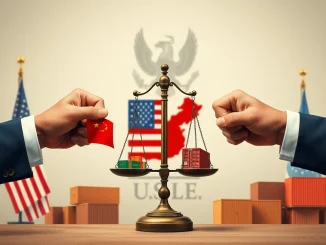
The U.S. government has taken a bold step by imposing a 20% reciprocal tariff on imports from China Taiwan, effective August 1, 2025. This move is part of a broader strategy to recalibrate trade policies under the Trump administration, aiming to reinforce U.S. economic competitiveness. But what does this mean for global trade and supply chains? Let’s break it down.
Why the U.S. Tariff on China Taiwan Goods?
The 20% reciprocal tariff is a response to what the administration deems imbalanced trade practices. Key points:
- Part of the America First Trade Policy, emphasizing tariffs for national security.
- Aims to protect domestic industries and address unfair trade practices.
- Could raise baseline tariffs to 15-20% in the future.
Impact on Trade Policy and Global Supply Chains
The tariff is part of a larger package affecting 150 trading partners. Notable changes:
- Temporary suspension of de minimis exemptions for low-value imports.
- Potential adjustments for UK-origin goods under the U.S.-UK Economic Prosperity Deal.
- Legal challenges paused, but court rulings could reshape the policy.
What’s Next for U.S. and China Taiwan Trade Relations?
The administration’s reliance on tariffs as a strategic tool could have lasting effects:
- Potential disruptions to global supply chains.
- Increased scrutiny from trade partners and analysts.
- Possible retaliatory measures from China Taiwan.
Conclusion
The 20% reciprocal tariff on China Taiwan goods marks a significant shift in U.S. trade policy. While it aims to protect domestic industries, the long-term implications for global trade remain uncertain. Stay tuned for updates as the situation evolves.
Frequently Asked Questions (FAQs)
1. When does the 20% tariff on China Taiwan goods take effect?
The tariff is effective from August 1, 2025.
2. Why is the U.S. imposing this tariff?
It’s part of the America First Trade Policy to address perceived unfair trade practices.
3. Are there any exemptions to the tariff?
The de minimis exemption for low-value imports is temporarily suspended.
4. How might this affect global supply chains?
The tariff could disrupt supply chains and lead to higher costs for businesses.
5. What’s the legal status of the tariff?
Legal challenges are ongoing, with a court stay currently allowing the tariff to remain in effect.