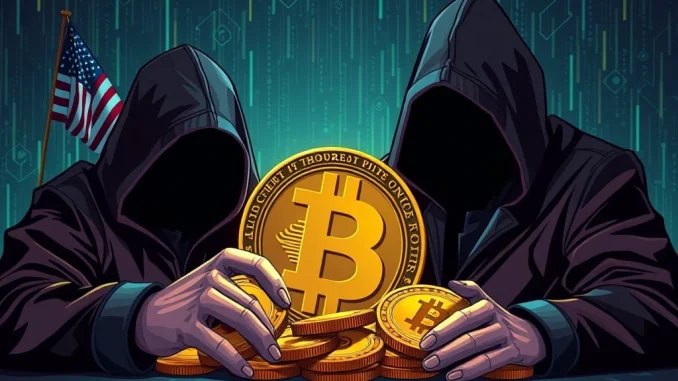
In a bold move against cybercrime, the U.S. government has seized 20.2 Bitcoin (worth $2.4 million) from the notorious Chaos ransomware group. This action highlights the growing intersection of cryptocurrency enforcement and national strategy—could this be the start of a government-backed Bitcoin reserve?
U.S. Bitcoin Seizure: A Major Blow to Ransomware
The FBI’s Dallas unit executed the seizure, filing a legal complaint in the Northern District of Texas. Key details:
- Amount seized: 20.2 Bitcoin ($2.4M at time of seizure)
- Source: Chaos ransomware group, known for cyberattacks
- Potential destination: U.S. Bitcoin national reserve (pending political approval)
Bitcoin National Reserve: A Controversial Strategy
The seized Bitcoin may become part of a proposed U.S. Bitcoin reserve, a concept reportedly backed by former President Trump. However, tracking government-held crypto remains challenging:
| Source | Estimated Bitcoin Holdings |
|---|---|
| Independent trackers | ~198,000 BTC |
| U.S. Marshals Service (official) | 28,988 BTC |
Cryptocurrency Regulation: The Global Crackdown Intensifies
This seizure reflects a worldwide trend of increased cryptocurrency scrutiny. Law enforcement agencies are now using advanced blockchain analytics to:
- Trace ransomware payments
- Identify illicit transactions
- Recover stolen digital assets
FAQs: U.S. Bitcoin Seizure and National Reserve Plans
Q: Why is the U.S. government seizing Bitcoin?
A: To combat ransomware attacks and potentially build a strategic Bitcoin reserve.
Q: How much Bitcoin does the U.S. government currently hold?
A: Estimates range from 28,988 BTC (official) to 198,000 BTC (independent trackers).
Q: What happens to seized cryptocurrency?
A: It may be auctioned, held as evidence, or added to proposed national reserves.
Q: Could this affect Bitcoin’s price?
A: Large government holdings could influence market dynamics, though the immediate impact appears limited.