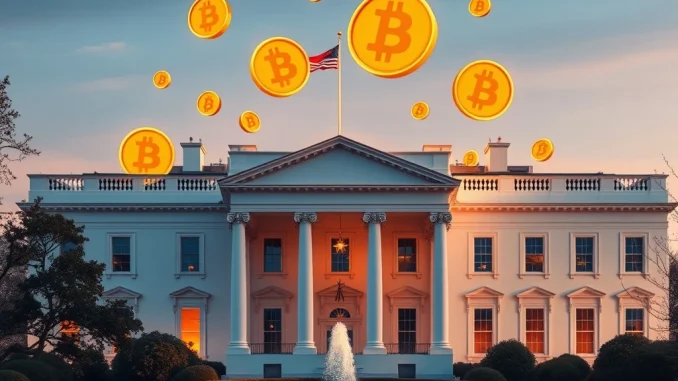
In a groundbreaking revelation, a White House official confirmed the U.S. government has a Bitcoin accumulation plan. This unexpected move could reshape the cryptocurrency landscape forever.
What is the U.S. government’s Bitcoin accumulation plan?
According to reports from Watcher Guru on X, a senior White House official disclosed that the federal government has developed a strategy to systematically acquire Bitcoin. This marks a significant shift in the government’s stance toward cryptocurrency.
Why would the U.S. government buy Bitcoin?
- Diversification of national reserves
- Strategic positioning in the digital asset space
- Hedging against inflation and dollar devaluation
- Technological leadership in blockchain innovation
How will this Bitcoin accumulation plan affect the market?
The government’s entry as a major Bitcoin holder could bring both stability and volatility. While institutional adoption typically increases legitimacy, large-scale purchases might create supply shocks.
What challenges does this Bitcoin plan present?
The government must address several critical issues:
| Challenge | Potential Solution |
|---|---|
| Storage security | Military-grade cold storage solutions |
| Regulatory consistency | Clear cryptocurrency framework |
| Market manipulation concerns | Transparent acquisition strategy |
What this means for Bitcoin’s future
This development could accelerate mainstream Bitcoin adoption and potentially trigger similar moves by other governments. The cryptocurrency market may be entering a new era of institutional participation.
Frequently Asked Questions
When will the U.S. government start buying Bitcoin?
The exact timeline remains unclear, but sources suggest accumulation could begin within the next fiscal year.
How much Bitcoin does the government plan to acquire?
No specific amounts have been disclosed, but analysts speculate holdings could eventually reach billions in value.
Will this make Bitcoin more stable?
While government holdings may reduce volatility long-term, initial accumulation could cause price fluctuations.
How will this affect Bitcoin’s decentralized nature?
Some purists worry about centralization, but others argue this validates Bitcoin’s role in global finance.
Can other cryptocurrencies benefit from this move?
Yes, increased institutional interest in Bitcoin often spills over to the broader crypto market.