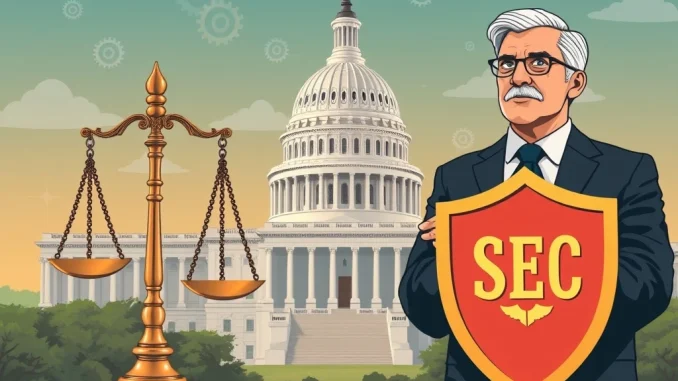
The U.S. digital asset market stands on the precipice of a monumental transformation. For years, the lack of clear US Crypto Regulation has cast a long shadow, deterring major players and leaving investors in a state of uncertainty. However, a groundbreaking legislative effort, the Responsible Financial Innovation Act of 2025 (RFIA), proposes a comprehensive framework that could finally unlock the true potential of digital assets. This isn’t just another bill; it’s a strategic move to balance innovation with robust investor protection, signaling a pivotal shift towards mainstream acceptance. Are we about to witness the dawn of a new era where digital assets become a recognized and trusted part of the global financial ecosystem?
A New Dawn for US Crypto Regulation: Are We at a Tipping Point?
For too long, the digital asset market in the U.S. has operated in a regulatory gray area, stifling growth and pushing innovation offshore. The proposed RFIA aims to rectify this by introducing a clear and pragmatic approach to US Crypto Regulation. This framework seeks to provide much-needed clarity, fostering an environment where both innovation and investor safety can thrive. By addressing key concerns that have previously held back institutional engagement, the U.S. is positioning itself to become a leader in the global digital asset landscape. This legislative initiative is not merely about rules; it’s about building a foundation for sustainable growth and confidence.
What Exactly Are Ancillary Assets, and How Will They Reshape the Market?
One of the RFIA’s most innovative proposals is the introduction of the ‘ancillary asset’ framework. This new classification is a game-changer for digital assets, offering a pathway for tokens that are not traditional securities. But what does this mean in practice?
- A Clear Distinction: Ancillary Assets are defined as digitally issued, intangible assets tied to investment contracts but explicitly excluded from securities law. This crucial distinction reduces the regulatory burden on projects that previously faced ambiguous compliance hurdles under the Securities Act of 1933.
- Self-Certification Mechanism: Originators can now self-certify that their assets lack financial rights, providing a streamlined path to market. The SEC retains the power to challenge this claim within 60 days, ensuring accountability while still promoting innovation.
- The $75 Million Exemption: A significant provision allows startups to operate without immediate registration until their market capitalization reaches $75 million. This ‘runway’ offers crucial breathing room for new projects to develop and scale, encouraging experimentation and reducing initial capital constraints.
Imagine a blockchain-based payment token or a utility token for a decentralized application. Under this framework, these could be developed and traded under a tailored regulatory regime, avoiding the stringent requirements designed for traditional equities. This clarity is expected to significantly reduce legal friction, attracting more legitimate projects to build within the U.S.
How Will SEC Oversight Pave the Way for Greater Trust?
The Securities and Exchange Commission (SEC) is set to play a central, yet redefined, role in this new regulatory landscape. While some may view expanded SEC involvement with caution, the RFIA aims to empower the agency to provide the clarity and enforcement necessary for a mature market. This modernized approach could redefine the ‘investment contract’ beyond the traditional Howey Test, adapting it to the nuances of digital assets. This enhanced SEC Oversight is a critical step towards fostering greater trust.
A key initiative highlighted in the RFIA is the ‘Micro-Innovation Sandbox.’ This pilot program allows firms to test digital asset products under relaxed rules in a controlled environment. For example:
- Major banks could trial tokenized real estate transactions.
- Hedge funds might experiment with stablecoin-backed lending protocols.
- Asset managers could assess the risks and opportunities of new DeFi products.
This sandbox approach allows institutions to gain practical experience without systemic exposure, accelerating learning and reducing perceived risks. The SEC’s ability to rebut self-certifications and enforce disclosure requirements ensures that bad actors are held accountable, enhancing the overall integrity of the market and boosting investor confidence.
Will This Framework Finally Unlock Institutional Adoption?
Perhaps the most anticipated outcome of this regulatory shift is the potential for a dramatic surge in Institutional Adoption. For years, major financial institutions have largely remained on the sidelines, citing regulatory uncertainty and a lack of robust infrastructure. The RFIA directly addresses these concerns:
- Custodial Services: Permitting banks and financial holding companies to offer digital asset custodial services removes a significant barrier, providing the secure, regulated storage solutions institutions require.
- Staking and Payment Solutions: The framework enables institutions to engage in staking and offer digital payment solutions, aligning the U.S. with global peers like the EU and Singapore, where crypto-friendly regulations have already spurred adoption.
- Compliance Integration: By mandating anti-money laundering (AML) and Office of Foreign Assets Control (OFAC) protocols, the framework aligns digital asset activities with existing financial standards. This reduces reputational and operational risks, making it easier for institutions to integrate digital assets into their existing portfolios.
Consider the example of JPMorgan’s foray into crypto custody. Under this new framework, such initiatives could scale nationwide, attracting trillions in institutional capital that has been hesitant to enter the market. This isn’t just about banks holding crypto; it’s about integrating digital assets into the very fabric of traditional finance.
Boosting Investor Confidence: What Does This Mean for You?
Beyond institutional players, the RFIA is designed to create a more transparent and secure ecosystem for all investors. This focus on Investor Confidence is crucial for the long-term health and growth of the digital asset market. Key measures include:
- Enhanced Disclosure Requirements: Originators of ancillary assets will be required to provide clear disclosures, ranging from corporate governance details to economic metrics. This provides unprecedented visibility into project fundamentals, a stark contrast to the opaque token sales of the past.
- Protection Against ‘Rug Pulls’: The framework aims to curb fraudulent activities and unregistered offerings that have eroded trust in previous market cycles. While self-certification is a positive step, the SEC’s 60-day rebuttal window acts as a critical safeguard.
- Fair Competition: The $75 million exemption ensures that smaller, innovative projects can still compete with established players, fostering a diverse and dynamic market for investors to explore.
However, investors must remain diligent. While the new regulations provide a stronger safety net, it’s still essential to prioritize assets from originators with transparent roadmaps, verifiable disclosures, and audited financials. Informed decision-making remains paramount.
Strategic Investment: Navigating the Evolving Landscape
For savvy investors, the Senate’s framework signals a green light for strategic allocation to digital assets. The evolving US Crypto Regulation landscape presents unique opportunities. Here’s how to navigate this new paradigm:
- Diversify Exposure: Consider allocating capital to ancillary assets with clear use cases, such as decentralized finance (DeFi) platforms or tokenized commodities, while maintaining a balanced, hedged portfolio.
- Monitor Regulatory Milestones: Stay informed about the SEC’s rulemaking process for investment contracts and the finalization of the RFIA. Regulatory delays could temporarily impact market momentum.
- Leverage Sandbox Insights: Investigate firms participating in the Micro-Innovation Sandbox. These early adopters are likely to emerge as industry leaders, having tested their products within a controlled, regulated environment.
- Prioritize Compliance: Favor projects that proactively self-certify with verifiable disclosures. Avoid those operating in regulatory gray areas, as future enforcement actions could pose significant risks.
The Road Ahead: What’s Next for Digital Assets?
The Senate’s ancillary asset framework and SEC-centric approach represent a definitive tipping point in the U.S. crypto journey. By providing regulatory clarity, fostering innovation through mechanisms like the Micro-Innovation Sandbox, and aligning with global financial standards, this shift is poised to catalyze a surge in both institutional capital and retail participation. For investors, the key lies in balancing optimism with diligent research – leveraging the newfound structure to identify high-conviction opportunities while mitigating the inherent risks of a still-nascent, albeit maturing, market.
As the RFIA moves towards finalization, the coming months will be pivotal. The question is no longer whether digital assets belong in the financial ecosystem, but rather how quickly the market will adapt to this robust new paradigm. For those prepared to act strategically, the rewards could be substantial.
Frequently Asked Questions (FAQs)
What is the primary goal of the Responsible Financial Innovation Act (RFIA) of 2025?
The RFIA aims to establish a clear and comprehensive regulatory framework for digital assets in the U.S., balancing innovation with investor protection to foster institutional adoption and investor confidence.
How do ‘ancillary assets’ differ from traditional securities?
Ancillary assets are digitally issued, intangible assets tied to investment contracts but are explicitly excluded from securities law. This distinction allows them to operate under a tailored regulatory regime, reducing friction for projects that don’t fit traditional securities definitions.
What role will the SEC play under the new framework?
The SEC will have an expanded but clarified role, including the ability to rebut self-certifications for ancillary assets and enforce disclosure requirements. Its modernized approach aims to reduce legal ambiguity and enhance trust in the digital asset market.
How will the RFIA impact institutional adoption of digital assets?
The RFIA is expected to significantly boost institutional adoption by permitting banks and financial holding companies to offer custodial services, staking, and payment solutions. It also mandates AML and OFAC protocols, aligning digital assets with existing financial standards, thereby reducing risk for institutions.
What is the ‘Micro-Innovation Sandbox’?
The Micro-Innovation Sandbox is a pilot program proposed by the RFIA that allows firms to test digital asset products under relaxed rules in a controlled environment. This enables institutions to assess risks and opportunities without systemic exposure.
What should investors do to navigate this evolving regulatory landscape?
Investors should diversify their exposure, monitor regulatory milestones (like the finalization of the RFIA), consider firms participating in regulatory sandboxes, and prioritize projects that demonstrate strong compliance and transparent disclosures.