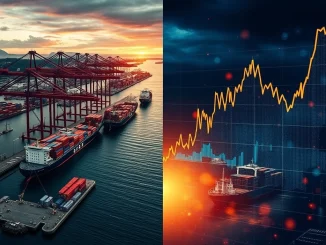
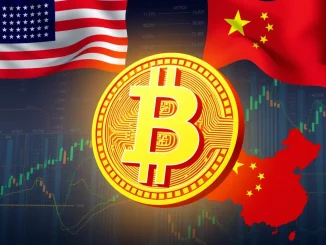
In the intricate dance of global economics, even seemingly distant policy decisions can send ripples through various markets, including the dynamic world of cryptocurrencies. The recent announcement regarding the US-China tariffs extension is a prime example. For anyone tracking market stability and potential economic shifts, understanding these developments is crucial. This latest agreement between the United States and China offers a temporary reprieve, extending the current 10% tariff rate and delaying a potential surge to 34% until August 12. But what does this mean for the ongoing trade war and the broader economic landscape?
What Does This US-China Tariffs Extension Entail?
The recent agreement, forged during intense trade negotiations in Stockholm, Sweden, marks a significant pause rather than a definitive resolution. For the next 90 days, specifically until August 12, U.S. imports from China will continue to face a 10% base tariff rate. This is a crucial detail, as without this extension, the rate would have escalated to a much higher 34% reciprocal tariff. This move aligns with a long-standing strategy of using tariffs as economic leverage, a hallmark of recent administrations. While the immediate impact is a delay in escalation, analysts remain cautious about predicting a swift breakthrough.
Unpacking the Ongoing Trade War Dynamics
The trade war between the U.S. and China is a multifaceted conflict rooted in deep economic and geopolitical tensions. Since May, both nations have engaged in a series of temporary pauses in tariff escalations, aiming to create space for dialogue. The U.S. has consistently pushed for addressing issues like China’s industrial overcapacity, which many argue distorts global markets, and its role in the fentanyl crisis. Conversely, Beijing has voiced concerns over the fairness of additional 20% tariffs imposed in March. Chinese sources have hinted at a willingness to accept a reduced 10% rate if the extra 20% is lifted, though formal agreement remains elusive. The People’s Daily, a key Chinese state media outlet, has emphasized China’s “constructive stance,” signaling a diplomatic approach to managing these complex tensions.
Why This Tariff Extension Now? Analyzing the Stockholm Talks
The 90-day tariff extension emerged from the Stockholm discussions, which many experts describe as a cautious pause rather than a turning point. Analysts like Niklas Swanstrom from the Stockholm Institute for Security and Development Policy and Frederic Cho of the Sweden-China Business Council largely anticipated this outcome. The extension provides both sides with more time, potentially laying groundwork for a more comprehensive agreement. Philippe Le Corre of ESSEC Business School suggests these talks could be a precursor to a final deal, possibly at the APEC summit in October. However, a significant hurdle remains: the U.S. has not provided clear criteria for what constitutes “sufficient progress” on issues like fentanyl, making definitive outcomes difficult to predict.
Key Challenges in Current Trade Negotiations
The path forward in these trade negotiations is fraught with challenges. The Peterson Institute for International Economics highlights the U.S. average tariff on Chinese goods at 51.1%, a level Beijing considers excessive despite having absorbed previous duties. China has responded with its own measures, including 25% tariffs on U.S. agricultural products and restrictions on rare earth material exports, further complicating trade balances. Speculative projections, such as a 50% U.S. tariff on Chinese imports, have circulated, but official USTR trackers do not confirm such rates. It’s crucial to distinguish between forecasts and confirmed policies in this volatile environment.
How This Impacts Global Trade and Beyond
The implications of the US-China tariffs extend far beyond the two nations, affecting global trade dynamics. The ‘America First’ agenda has led to reciprocal tariffs with other countries as well. Japan’s rate, for instance, was reduced to 15%, and Indonesia’s dropped to 19%, showcasing a strategic balancing act between pressure and partnership. The U.S. has also focused on specific sectors, such as maritime cargo handling equipment, imposing tariffs ranging from 20% to 100%. This selective targeting underscores a broader focus on strategic industries and supply chain resilience. As the August 12 deadline approaches, the Stockholm talks represent a critical juncture. While the 90-day pause offers time for deeper negotiations, the absence of concrete progress risks renewed escalations. The extension reflects a strategic stalemate, with both sides using economic leverage to test resolve amid enduring geopolitical tensions.
The recent 90-day tariff extension between the U.S. and China offers a temporary calm in the ongoing trade war, maintaining the 10% tariff rate and deferring a potentially disruptive 34% hike. While the Stockholm trade negotiations provided a much-needed pause, fundamental disagreements persist regarding industrial overcapacity, fentanyl, and the overall fairness of existing tariffs. This strategic stalemate, characterized by economic leverage and cautious dialogue, continues to shape global trade dynamics. As the August 12 deadline looms, the world watches closely, hoping for substantive progress that could stabilize markets and foster more predictable international relations. For now, it’s a waiting game, emphasizing the importance of distinguishing between speculative forecasts and confirmed policy.
Frequently Asked Questions (FAQs)
Q1: What is the main outcome of the recent US-China trade negotiations?
A1: The main outcome is a 90-day extension of existing reciprocal tariffs, maintaining the 10% rate on U.S. imports from China instead of increasing it to 34% until August 12.
Q2: Why did the U.S. and China agree to this tariff extension?
A2: Both nations agreed to the extension during trade negotiations in Stockholm to allow more time for dialogue and to prevent immediate escalation of the ongoing trade war, using tariffs as leverage for further discussions.
Q3: What are the key issues the U.S. is trying to address in these trade talks?
A3: The U.S. is primarily focused on addressing concerns such as China’s industrial overcapacity and its role in the fentanyl crisis.
Q4: How does this tariff extension impact global trade?
A4: While directly impacting U.S.-China trade, the extension also signals ongoing geopolitical tensions that influence global supply chains, investment decisions, and trade policies of other nations, including adjustments to tariffs with countries like Japan and Indonesia.
Q5: What happens if no significant progress is made by August 12?
A5: If no significant progress or further agreement is reached by August 12, there is a risk of renewed tariff escalations, potentially leading to the implementation of the higher 34% reciprocal rate or other retaliatory measures.