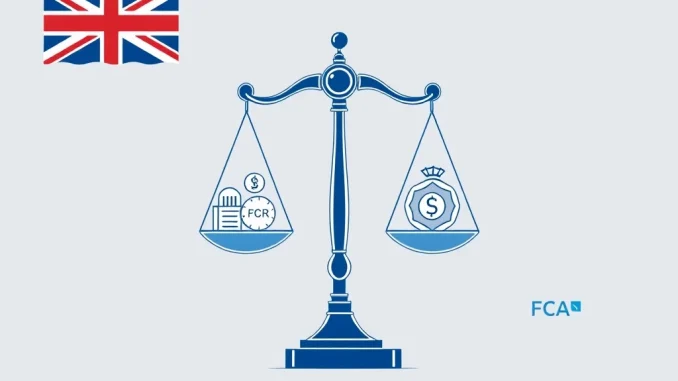
The landscape of digital assets is constantly evolving, and regulatory bodies worldwide are working to keep pace. In a significant development, the UK’s Financial Conduct Authority (FCA) is reportedly planning to adjust its approach to UK crypto regulation. This move signals a strategic shift, aiming to balance innovation with robust oversight. Specifically, the proposal outlines a dual strategy: easing certain rules for crypto firms while simultaneously strengthening controls in other vital areas. This balanced approach will undoubtedly impact crypto firms UK and the broader digital asset ecosystem.
Understanding the New FCA Crypto Rules Framework
The Financial Times recently highlighted the FCA’s intentions. Under these new proposals, certain regulatory burdens on crypto companies would be lessened. This is a notable departure from the stringent requirements often imposed on traditional financial institutions. For instance, rules concerning senior managers, internal systems, and overall controls are set to become less demanding for crypto firms. Consequently, these companies may experience greater operational flexibility. This proactive step by the UK financial authority aims to foster growth and innovation within the sector. Moreover, it seeks to position the UK as an attractive hub for digital asset businesses.
Easing the Burden: Senior Management and Operational Controls
One primary aspect of the proposed changes involves senior management accountability. Currently, traditional banks and investment platforms face rigorous requirements. These include extensive vetting and personal liability for senior executives. However, the FCA’s new framework suggests a lighter touch for crypto firms UK. This means senior managers within crypto companies might operate under less stringent personal accountability regimes. Furthermore, the proposals also address systems and controls. Crypto businesses could see a reduction in the complexity and cost associated with compliance in these areas. This relaxation aims to reduce barriers to entry for new firms. It also helps existing companies allocate resources more efficiently. Therefore, this strategic easing could stimulate significant development.
Many industry observers believe this approach could make the UK a more competitive market. It provides a clearer pathway for legitimate crypto businesses. Furthermore, it could attract international talent and investment. The goal is to create a proportionate regulatory environment. This environment supports the unique characteristics of the digital asset industry. Balancing innovation with investor protection remains a core objective. Thus, the FCA’s proposed changes represent a calculated risk. They seek to unlock the potential of the crypto sector.
Strengthening Defenses: Cyberattacks and Other Critical Areas
While some regulations are set to ease, the FCA is not entirely relaxing its grip. In fact, the proposals indicate a clear intention to impose stricter regulations in other crucial areas. Cybersecurity is a paramount concern for the digital asset industry. Consequently, the FCA plans to enforce more rigorous rules regarding cyberattacks. This heightened focus on security reflects the growing threat landscape. It also acknowledges the potential for significant financial losses due to breaches. Therefore, cryptocurrency regulations will demand robust defenses against digital threats. These measures are essential for protecting both firms and their customers.
Protecting Against Digital Threats: The Focus on Cybersecurity
Cybersecurity vulnerabilities represent a major risk in the crypto space. High-profile hacks and thefts have underscored this reality repeatedly. The FCA’s plan to tighten rules here is a direct response. It aims to bolster the resilience of crypto firms UK against sophisticated attacks. These stricter requirements will likely mandate:
- Enhanced security protocols and infrastructure.
- Regular independent security audits.
- Robust incident response plans.
- Mandatory reporting of cyber incidents.
These measures are designed to safeguard customer assets. They also aim to maintain market integrity. Ultimately, a secure environment builds trust among users. It encourages broader adoption of digital currencies. Hence, the FCA is prioritizing the foundational security of the entire ecosystem.
The Broader Implications for UK Crypto Regulation
The FCA’s proposed adjustments signify a maturing approach to digital assets. This nuanced strategy acknowledges the distinct nature of crypto businesses. They differ significantly from traditional banks. By tailoring regulations, the UK financial authority hopes to achieve several objectives. These include fostering innovation, attracting investment, and ensuring consumer protection. The balance between easing and tightening rules is delicate. However, it is crucial for establishing a sustainable regulatory framework. This framework must support future growth. It must also mitigate inherent risks. Therefore, these changes could redefine the UK’s position in the global crypto market.
Navigating the Regulatory Landscape: Opportunities and Challenges
For crypto firms UK, these proposed changes present both opportunities and challenges. Reduced compliance burdens in some areas could free up resources. This allows for greater investment in product development and market expansion. However, increased scrutiny on cybersecurity demands significant investment. Firms must enhance their protective measures. They need to ensure full compliance with new standards. Furthermore, these FCA crypto rules may set a precedent for other jurisdictions. This could influence global cryptocurrency regulations. Consequently, the UK’s approach will be closely watched by international regulators and industry participants alike.
The FCA’s move reflects a global trend. Regulators are increasingly seeking to integrate digital assets into existing financial frameworks. Yet, they recognize the need for specific adaptations. This careful calibration is vital. It prevents stifling innovation while maintaining financial stability. The UK aims to be a leader in this complex space. Its ability to implement these changes effectively will be key. It will determine the success of its digital asset strategy. Moreover, stakeholder engagement will be critical. The FCA must consult widely with the industry. This ensures the new rules are practical and effective. Therefore, open dialogue will be essential for successful implementation.
Looking Ahead: The Future of Cryptocurrency Regulations in the UK
The reported plans by the FCA represent a significant step. They highlight a proactive and adaptive stance towards digital finance. As the consultation process unfolds, further details will emerge. The industry will be keen to understand the specifics. These changes will shape the operational environment for crypto firms UK for years to come. Ultimately, the goal is to create a regulatory environment. This environment supports a thriving, secure, and responsible digital asset market. The UK’s approach could serve as a model for other nations. It demonstrates how to integrate emerging technologies effectively. Thus, these developments mark an important chapter in the evolution of financial regulation. The careful balance between innovation and risk management remains paramount.
The Role of the UK Financial Authority in a Digital Economy
The UK financial authority plays a critical role in shaping the nation’s economic future. Its decisions regarding UK crypto regulation will have far-reaching effects. These extend beyond the crypto sector itself. They impact the broader financial services landscape. By establishing clear, proportionate rules, the FCA can instill confidence. This confidence is vital for investors and consumers. It also encourages legitimate businesses to operate within the UK. The journey towards a fully integrated digital economy is complex. However, these proposed changes show a clear direction. They indicate a commitment to embracing technological advancements responsibly. The FCA’s ongoing efforts are central to this national ambition. Therefore, its role as a forward-thinking regulator is more important than ever.
In conclusion, the FCA’s proposed adjustments to FCA crypto rules signify a thoughtful and pragmatic approach. By easing certain administrative burdens while fortifying defenses against cyber threats, the UK aims to foster a dynamic yet secure environment for digital assets. This balanced strategy is crucial for the continued growth and legitimization of the cryptocurrency industry within the UK and beyond. The future of cryptocurrency regulations is being actively shaped by these developments, promising a more defined and stable operational landscape.
Frequently Asked Questions (FAQs)
Q1: What is the main objective of the FCA’s proposed changes to UK crypto regulation?
The primary objective is to strike a balance. The FCA aims to foster innovation and growth within the UK’s digital asset sector. At the same time, it seeks to maintain robust consumer protection and financial stability. This involves easing some rules while tightening others.
Q2: Which specific regulations are being eased for crypto firms UK?
The proposals suggest easing rules primarily concerning senior managers, internal systems, and overall controls. This means crypto firms might face less stringent requirements in these areas compared to traditional banks.
Q3: In which areas will the FCA impose stricter rules for cryptocurrency regulations?
The FCA plans to apply stricter regulations in critical areas such as cybersecurity. This aims to protect firms and consumers from the increasing threat of cyberattacks and data breaches.
Q4: How will these FCA crypto rules impact the UK’s position in the global crypto market?
These changes could enhance the UK’s attractiveness as a hub for digital asset businesses. By providing a clearer and more proportionate regulatory framework, the UK aims to compete effectively on the international stage, drawing in investment and talent.
Q5: Are these changes immediately effective?
No, these are proposed plans reported by the Financial Times. The FCA typically undergoes a consultation process for such significant regulatory changes. This allows stakeholders to provide feedback before final rules are implemented.