Even in the dynamic world of cryptocurrency, understanding traditional market drivers remains crucial. While digital assets chart their own course, investor sentiment often mirrors the broader economic landscape. Recently, former U.S. President Donald Trump attributed a significant **stock market performance** surge directly to his administration’s **Trump tariffs**. This claim reignites debate over the true catalysts behind periods of robust **market growth** in the United States.
Trump Tariffs: A Bold Economic Strategy
Former U.S. President Donald Trump consistently highlighted his administration’s tariff policies as a key driver of economic prosperity. According to various foreign media reports, Trump stated that the **stock market performance** reached unprecedented levels due to these measures. Tariffs, essentially taxes on imported goods, aim to protect domestic industries and encourage local production. Proponents argue they can level the playing field for American businesses.
During his presidency, Trump implemented tariffs on a wide range of products. These included goods from China, steel, and aluminum imports from several countries. The administration’s stated goal was to renegotiate trade deals. It also sought to reduce trade deficits. This approach marked a significant departure from previous trade policies. It generated considerable discussion among economists and market analysts alike. Consequently, businesses and consumers faced new dynamics.
Analyzing Stock Market Performance Under Tariff Policies
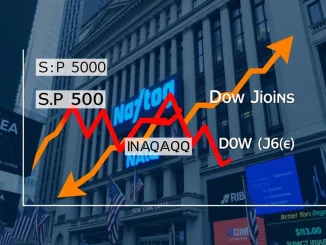
The period coinciding with the implementation of **Trump tariffs** saw notable fluctuations in the U.S. stock market. For example, major indices like the Dow Jones Industrial Average and the S&P 500 experienced significant rallies. Many investors cheered corporate tax cuts enacted during the same period. However, the direct link between tariffs and this **market growth** remains a subject of ongoing debate.
Some analysts argue that the overall positive economic environment, including low unemployment rates and strong corporate earnings, contributed more significantly to market gains. Others point to the uncertainty created by trade disputes. They suggest this uncertainty sometimes weighed on investor confidence. Thus, isolating the impact of tariffs from other **economic policies** is complex. It requires careful consideration of multiple factors. Ultimately, the market reacted to a confluence of events.
The Broader Impact on the US Economy
The introduction of **Trump tariffs** had a multifaceted impact on the **US economy**. On one hand, some domestic industries, such as steel manufacturers, reported increased demand and profitability. This aligns with the stated goal of protecting American jobs and industries. On the other hand, many businesses that rely on imported goods faced higher costs. These costs often passed on to consumers. This resulted in price increases for certain products.
Moreover, retaliatory tariffs from other countries impacted American exporters. Farmers, for instance, faced reduced demand for their products in key markets. This created financial strain for many agricultural businesses. Therefore, the overall economic benefit of tariffs is not universally agreed upon. Economists offer varied perspectives on their net effect. It is clear that different sectors experienced different outcomes.
Debating Economic Policies and Market Growth
The assertion that **economic policies**, specifically tariffs, directly caused a booming stock market is a contentious point. Many economists emphasize that stock market movements are influenced by a vast array of factors. These include:
- Corporate earnings forecasts
- Interest rate policies
- Geopolitical events
- Technological advancements
- Consumer confidence levels
Therefore, attributing **market growth** solely to tariffs might oversimplify a complex interplay of forces. While tariffs can certainly influence specific sectors and companies, their broader impact on overall market indices is often debated. Furthermore, investor sentiment plays a crucial role. Positive news, regardless of its origin, can fuel optimism. This optimism, in turn, can drive stock prices higher. Understanding these nuances is essential for a complete picture.
In conclusion, former President Trump’s claim that his tariff policies fueled a stronger-than-ever stock market highlights a significant aspect of his economic agenda. While the market did experience considerable growth during his term, the precise role of **Trump tariffs** remains a subject of ongoing discussion among experts. Various **economic policies** and broader market conditions likely contributed to the overall **stock market performance**. Analyzing these claims requires a comprehensive look at all contributing factors, providing a nuanced understanding of the **US economy** during that period.
Frequently Asked Questions (FAQs)
Q1: What are Trump tariffs?
A1: Trump tariffs refer to the taxes on imported goods that the U.S. administration under President Donald Trump imposed. These tariffs targeted products from countries like China, as well as steel and aluminum imports from various nations. The aim was to protect domestic industries and reduce trade deficits.
Q2: Did Trump’s tariff policies directly cause the stock market boom?
A2: Donald Trump stated his tariff policies directly caused the stock market boom. However, economists generally agree that multiple factors influence stock market performance. These include corporate tax cuts, low interest rates, strong corporate earnings, and global economic conditions. Tariffs were one factor among many.
Q3: How did tariffs impact the US economy?
A3: Tariffs had mixed impacts on the US economy. Some domestic industries, like steel, saw benefits from reduced foreign competition. Conversely, many businesses faced higher costs for imported materials. American exporters also suffered from retaliatory tariffs imposed by other countries, affecting their sales in international markets.
Q4: What is the debate surrounding economic policies and market growth?
A4: The debate centers on attributing market movements to specific economic policies. While policies like tariffs or tax cuts can influence the market, many experts argue that broader economic conditions, investor sentiment, and global events also play significant roles. It is challenging to isolate the impact of any single policy.
Q5: How do stock market performance and economic policies relate to cryptocurrency markets?
A5: While cryptocurrency markets often operate independently, traditional stock market performance and economic policies can indirectly influence them. General economic stability, investor confidence, and the availability of capital can affect investment flows into all asset classes, including digital currencies. A robust traditional economy can foster greater risk appetite.