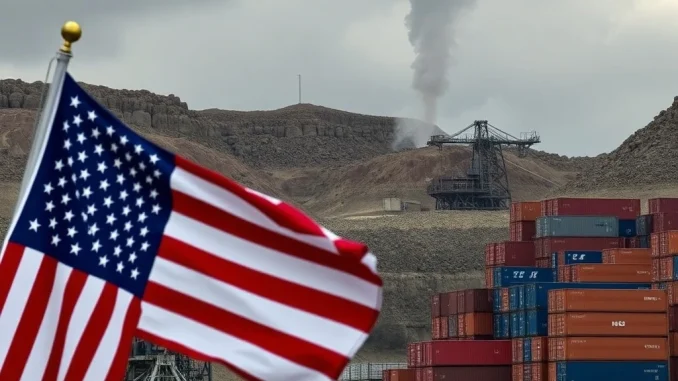
In a bold move that could reshape global trade dynamics, President Donald Trump has announced a 50% tariff on U.S. copper imports and most Brazilian goods, effective August 1, 2025. This decision marks a pivotal moment in U.S. trade policy and could have far-reaching implications for industries reliant on these imports.
Why Did Trump Impose These Tariffs?
The White House cites national security concerns as the primary justification for the tariffs. Key targets include:
- Semifinished copper products
- Copper-intensive derivatives
- Various Brazilian exports (excluding aircraft and precious metals)
Impact on Copper Prices and Industries
The tariffs are expected to:
- Raise domestic copper prices significantly
- Disrupt construction and electronics industries
- Affect mining giants like Rio Tinto and BHP
Brazil’s Response to the Trade Policy
Brazilian President Lula da Silva has hinted at potential retaliatory measures, though specifics remain unclear. Notably, some major Brazilian exports were excluded from the tariffs, including:
- Civil aircraft
- Pig iron
- Precious metals
Broader Implications for Global Supply Chains
This move reflects Trump’s strategy to:
- Protect U.S. manufacturing
- Reduce trade deficits
- Strengthen domestic industries
However, it risks straining U.S.-Brazil relations and disrupting already fragile global supply chains.
Market Reactions to the Tariffs
Financial markets responded swiftly:
- Copper prices fell sharply after the announcement
- Mining stocks declined
- Manufacturers face increased production costs
Frequently Asked Questions
When do the Trump tariffs take effect?
The 50% tariffs on copper imports and Brazilian goods become effective August 1, 2025.
Which Brazilian goods are affected by the tariffs?
Most Brazilian exports are subject to the new tariffs, with notable exceptions including civil aircraft, pig iron, and precious metals.
How will this affect copper prices?
The tariffs are expected to raise domestic copper prices in the U.S. while potentially depressing global copper prices due to reduced demand.
What was the “de minimis” exemption?
This was a provision that allowed low-value imports to enter the U.S. without duties, which has now been eliminated as part of these new trade measures.
Could Brazil retaliate against these tariffs?
Yes, Brazilian President Lula da Silva has suggested potential retaliatory measures, though specific actions haven’t been announced yet.