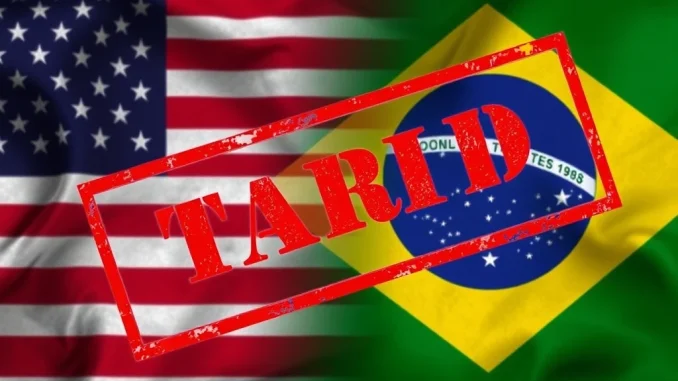
In a bold move, President Trump has imposed a 40% tariff on select Brazilian imports, intensifying trade tensions between the U.S. and Brazil. This decision could ripple through global markets, including cryptocurrencies, as investors seek safe havens amid economic uncertainty.
Why Did Trump Impose 40% Tariffs on Brazil?
The Trump administration cited national security concerns and trade imbalances as the primary reasons for the new tariffs. However, the move is highly strategic, targeting specific sectors while exempting critical imports like crude oil and aircraft parts. Here’s what you need to know:
- The 40% tariff is layered on top of an existing 10% levy, pushing some goods to a 50% rate.
- Key exemptions include orange juice, natural gas, and metals, protecting U.S. industries.
- The White House has warned of further escalations if Brazil retaliates.
How Will This Impact U.S.-Brazil Trade Relations?
The targeted nature of the tariffs suggests a calculated approach. While smaller Brazilian exporters may suffer, vital trade channels remain open. Analysts believe this could be a negotiating tactic ahead of the 2024 election.
What Does This Mean for Cryptocurrencies?
Trade tensions often drive investors toward alternative assets like Bitcoin and Ethereum. If the dispute escalates, we could see increased volatility in crypto markets as traders hedge against economic instability.
Key Takeaways
The Trump tariffs on Brazil highlight the growing complexity of U.S. trade policy. By balancing economic pressure with political considerations, the administration aims to leverage trade as a diplomatic tool without disrupting critical supply chains.
Frequently Asked Questions (FAQs)
1. Which Brazilian products face the 40% tariff?
The tariffs apply to select imports, excluding key sectors like oil, aircraft parts, and orange juice.
2. Could this lead to a full-blown trade war?
While tensions are high, the exemptions suggest the U.S. is avoiding overreach, leaving room for negotiations.
3. How might this affect cryptocurrency markets?
Increased trade uncertainty could drive investors toward Bitcoin and other cryptocurrencies as safe-haven assets.
4. What’s next for U.S.-Brazil relations?
The situation remains fluid, with potential for further tariffs or negotiations depending on Brazil’s response.