The digital transformation of finance continues at an accelerating pace. Indeed, the intersection of traditional banking and cutting-edge blockchain technology is heating up. Now, tokenized deposits emerge as a significant innovation. This development promises to reshape how financial institutions manage and transfer value. It brings the security and regulatory oversight of traditional banking into the digital asset space.
VersaBank USA Forges New Path with Tokenized Deposits Pilot
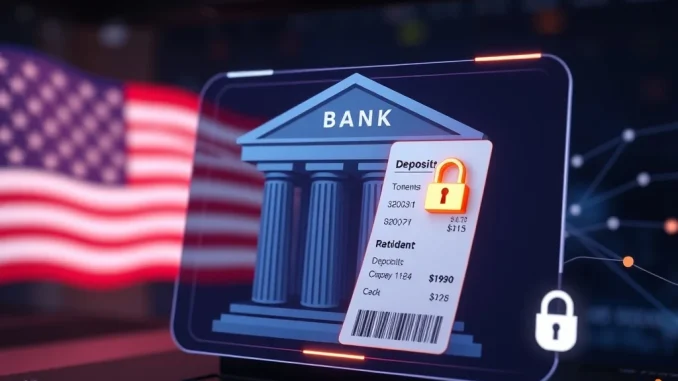
VersaBank USA, the U.S. subsidiary of the Canadian digital bank VersaBank, announced a groundbreaking initiative on August 26. The institution launched a pilot program for tokenized deposits within the United States. This strategic move marks a crucial step forward in integrating blockchain technology into mainstream financial services. The bank intends to thoroughly test the stability and functionality of these innovative deposits. Specifically, they are piloting USDVB, a U.S. dollar version of its proprietary Digital Deposit Receipt (DDR).
This pilot program represents more than just a technological experiment. It signifies a clear commitment by a regulated financial institution to explore the benefits of tokenization. Traditional banking often faces challenges with speed and cost in settlement. Tokenized deposits could offer a compelling solution. They aim to provide a more efficient and secure alternative to existing systems. Furthermore, this initiative could set a precedent for other banks considering similar ventures. It demonstrates a proactive approach to evolving financial landscapes.
Unpacking the Digital Deposit Receipt (DDR) Innovation
A Digital Deposit Receipt (DDR) is not simply another cryptocurrency. Instead, it is a tokenized deposit issued directly by a regulated bank. It represents a digital version of an actual cash deposit. Critically, each DDR is pegged 1:1 to its underlying fiat currency, ensuring stability. For example, one USDVB token will always represent one U.S. dollar held in deposit at VersaBank USA. This direct backing by a bank deposit offers a level of security and trust often missing in other digital assets.
The concept behind DDRs marries the best aspects of traditional banking with the efficiencies of blockchain. They leverage distributed ledger technology to record ownership and facilitate transfers. This method provides transparency and immutability. Unlike stablecoins, which can have varied backing mechanisms and regulatory statuses, DDRs originate from a regulated banking entity. This distinction is vital for institutional adoption and regulatory acceptance. Consequently, DDRs could bridge the gap between conventional finance and the burgeoning digital asset economy.
The Mechanics of Blockchain Banking Efficiency
The use of blockchain technology within blockchain banking frameworks offers substantial benefits. First, it significantly improves efficiency. Transactions can process faster, often in near real-time, compared to traditional banking hours. This speed is crucial for modern global commerce. Second, it reduces operational costs. Automating many processes through smart contracts minimizes manual intervention. This cuts down on administrative overhead and processing fees. Third, blockchain inherently enhances security. Its cryptographic nature and distributed ledger design make transactions highly resistant to fraud and tampering. Each transaction is immutably recorded, creating a clear audit trail.
Moreover, blockchain enables 24/7 operations. Traditional banking systems often operate on limited schedules. However, a blockchain-based system can facilitate transactions around the clock. This constant availability is a game-changer for international trade and digital economies. Such capabilities can streamline wholesale payments, interbank settlements, and even retail transactions. Banks can leverage this technology to offer innovative services. They can also provide a more robust infrastructure for the future of finance.
USDVB: A Stablecoin Alternative for Regulated Finance
The introduction of USDVB directly challenges the existing stablecoin landscape. While stablecoins aim to maintain a stable value, their backing and regulatory oversight can vary widely. Some stablecoins rely on reserves held by unregulated entities. This can lead to questions about transparency and actual solvency. In contrast, USDVB is a tokenized deposit issued by a regulated bank. This means it falls under existing banking regulations and oversight. The deposits backing USDVB are subject to the same protections and audits as traditional bank deposits.
This regulatory clarity and explicit bank backing provide a significant advantage. It offers a higher degree of trust and stability for institutional clients. Many corporations and financial institutions remain hesitant to fully embrace stablecoins due to regulatory uncertainties. USDVB provides a familiar, regulated framework for digital asset use. VersaBank states that this high level of security could make DDRs a superior asset compared to many stablecoins. They offer the digital benefits of blockchain without the associated regulatory risks.
VersaBank USA’s Strategic Vision in Digital Finance
VersaBank USA is not new to digital innovation. Its parent company, VersaBank, has long embraced a digital-first approach in Canada. This pilot in the US market represents a natural extension of that strategy. The US market, with its vast financial infrastructure and growing interest in digital assets, offers a prime environment for testing and scaling such an initiative. VersaBank aims to position itself at the forefront of digital banking. It seeks to offer secure and efficient solutions for the evolving financial landscape.
The bank’s broader goals include enhancing its competitive edge. They also aim to meet the increasing demand for digital financial products. By pioneering tokenized deposits, VersaBank USA can attract clients seeking advanced, yet regulated, digital asset services. This strategic move could lead to expanding DDR offerings. Future iterations might include other fiat currencies or specialized applications for corporate clients. The vision is clear: to integrate the power of blockchain into the core of banking operations, creating value for both the bank and its customers.
The Broader Impact on the Financial Ecosystem
The successful pilot and eventual adoption of tokenized deposits could have far-reaching implications for the entire financial ecosystem. Firstly, it can revolutionize wholesale payments. Interbank settlements, currently complex and slow, could become instantaneous and more cost-effective. Secondly, it could enable new financial products. Imagine programmable money that executes transactions automatically based on predefined conditions. This could unlock innovation in areas like supply chain finance and escrow services.
Moreover, tokenized deposits offer a pathway for central banks to explore central bank digital currencies (CBDCs). While not a CBDC itself, a bank-issued tokenized deposit shares some functional similarities. It can inform future policy and infrastructure development. Regulators are closely watching these developments. They aim to balance innovation with financial stability and consumer protection. The shift towards tokenization promises a more interconnected, efficient, and resilient global financial system. This transition will benefit businesses, consumers, and financial institutions alike.
In conclusion, VersaBank USA’s pilot program for tokenized deposits marks a significant milestone. It brings regulated, secure, and efficient digital cash to the forefront of the US financial market. By leveraging blockchain technology and introducing the Digital Deposit Receipt, VersaBank USA positions itself as a leader in blockchain banking. The USDVB pilot offers a compelling alternative to existing stablecoins. It paves the way for a more integrated and innovative future in digital finance.
Frequently Asked Questions (FAQs)
Q1: What are tokenized deposits?
A1: Tokenized deposits are digital representations of actual cash deposits held at a regulated bank. They are issued on a blockchain, pegged 1:1 to a fiat currency, offering the benefits of digital assets with the security and oversight of traditional banking.
Q2: How does a Digital Deposit Receipt (DDR) differ from a stablecoin?
A2: A DDR is issued by a regulated bank and represents a direct claim on a bank deposit. Stablecoins, while also aiming for price stability, can be issued by various entities and may have different backing mechanisms and regulatory statuses, often with less direct oversight than a bank.
Q3: What is USDVB?
A3: USDVB is VersaBank USA’s proprietary U.S. dollar version of its Digital Deposit Receipt (DDR). It is a tokenized deposit specifically designed for the US market pilot program, pegged 1:1 to the U.S. dollar.
Q4: What benefits does blockchain technology bring to banking through DDRs?
A4: Blockchain technology enhances efficiency by speeding up transactions and reducing costs. It also improves security through its cryptographic and distributed nature, making transactions more resistant to fraud and tampering, and enabling 24/7 operations.
Q5: Why is VersaBank USA piloting tokenized deposits in the US?
A5: VersaBank USA aims to lead in digital banking innovation. The US market provides a significant opportunity to test and demonstrate the stability, security, and efficiency of tokenized deposits within a regulated financial framework, potentially setting a new standard for digital finance.