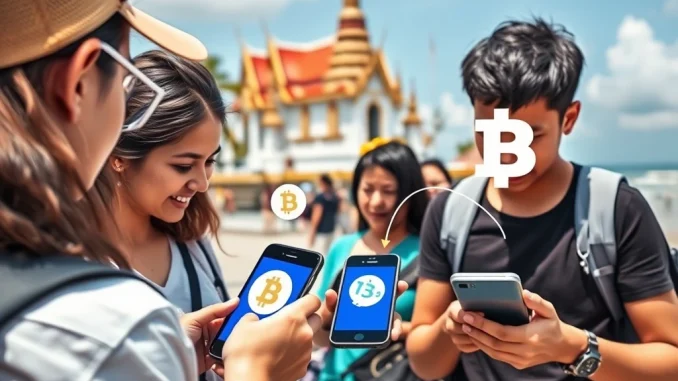
Are you a crypto enthusiast dreaming of a tropical getaway? Imagine being able to use your digital assets to explore the vibrant markets and stunning beaches of Thailand. Well, that dream is inching closer to reality! Thailand is making a significant move in the digital finance space by launching a groundbreaking Thailand crypto-to-baht sandbox for foreign tourists. This isn’t just a small step; it’s a giant leap for the integration of cryptocurrencies into mainstream tourism.
What is Thailand’s Revolutionary Regulatory Sandbox?
Thailand’s Securities and Exchange Commission (SEC) and its central bank are collaborating on an innovative regulatory sandbox. Think of a sandbox as a controlled environment where new financial technologies can be tested without the full weight of existing regulations, allowing for flexibility and learning. In this context, the sandbox will enable foreign visitors to convert their cryptocurrencies into Thai Baht for local spending. This isn’t about direct crypto payments – those remain prohibited – but rather about facilitating the conversion process through licensed platforms and regulated e-money services.
- Controlled Environment: A safe space for testing new financial innovations.
- Licensed Platforms: Only approved entities will facilitate the crypto-to-baht conversion.
- Regulated E-money Services: Ensures compliance and consumer protection.
- No Direct Payments: Crucially, this initiative focuses on conversion, not direct crypto transactions for goods and services.
This initiative underscores Thailand’s commitment to leveraging digital finance to enhance its vital tourism sector, offering a glimpse into a future where digital assets play a more integrated role in global travel.
Boosting Crypto Tourism: Why This Matters for Travelers
The introduction of this sandbox is a game-changer for crypto tourism. For years, one of the biggest hurdles for crypto holders traveling abroad has been the difficulty of converting digital assets into local currency without incurring high fees or navigating complex exchange processes. This sandbox aims to streamline that. Imagine arriving in Bangkok, converting a portion of your Bitcoin or Ethereum into Baht via a secure, regulated service, and then using that Baht for your tuk-tuk rides, street food adventures, or souvenir shopping.
This provides:
- Convenience: No need to carry large amounts of physical cash or rely solely on credit cards.
- Reduced Fees: Potentially lower transaction costs compared to traditional foreign exchange.
- Accessibility: Broadens the appeal of Thailand to a tech-savvy demographic.
It’s about making travel smoother and more accessible for a growing segment of the global population that embraces digital currencies. This forward-thinking approach could set a precedent for other tourism-dependent nations looking to attract the modern traveler.
Navigating Thailand’s Digital Finance Landscape
While the sandbox is exciting, it’s important to understand the broader digital finance Thailand landscape. Thailand has been cautious yet innovative in its approach to cryptocurrencies. The central bank has consistently warned against the use of crypto for direct payments due to volatility, money laundering risks, and lack of legal tender status. However, they have also shown openness to regulated digital assets and blockchain technology.
This sandbox is a clear example of this nuanced approach:
| Aspect | Current Stance | Sandbox Impact |
|---|---|---|
| Direct Crypto Payments | Prohibited for goods/services | Remains prohibited, but conversion enabled |
| Crypto Trading/Investment | Regulated through licensed exchanges | Unaffected, focuses on utility for tourists |
| Regulatory Oversight | SEC and BOT (Bank of Thailand) | Enhanced oversight within the sandbox |
| Tourism Boost | Traditional methods | Introduces digital asset utility for visitors |
This balanced strategy aims to harness the benefits of digital innovation while mitigating potential risks, ensuring stability and consumer protection within its financial system.
The Mechanics of Crypto to Baht Conversion
So, how will this crypto to baht conversion actually work? The details are still being ironed out within the sandbox, but the core idea is simple: foreign tourists will use approved, licensed platforms to exchange their cryptocurrencies for Thai Baht. These platforms will likely be integrated with existing e-money services or financial institutions that are already regulated by the Bank of Thailand.
Consider this simplified flow:
- Tourist arrives in Thailand: Has cryptocurrency in a digital wallet.
- Access Licensed Platform: Uses a mobile app or web service approved by Thai regulators.
- Initiate Conversion: Selects the amount of crypto to convert to Baht.
- Verification & KYC: Undergoes necessary identity checks (standard for financial transactions).
- Receive Baht: Converted Baht is deposited into a regulated e-money account or made available for withdrawal at specific points.
- Spend Baht: Tourist uses the Baht for local purchases, just like any other currency.
This process is designed to be secure, transparent, and compliant with anti-money laundering (AML) regulations, ensuring that the funds are legitimate and trackable within the regulated financial ecosystem.
Challenges and the Path Forward
While the sandbox is a positive step, it’s not without its challenges. Implementing such a system requires robust technology, strong security measures, and continuous regulatory adaptation. Key considerations include:
- User Adoption: Will tourists find the process intuitive enough to use widely?
- Security: Protecting users from scams and cyber threats within the conversion process.
- Scalability: Ensuring the system can handle a high volume of transactions, especially during peak tourist seasons.
- Regulatory Evolution: The sandbox will provide valuable data to refine future regulations.
The success of this pilot program will undoubtedly influence future policies regarding cryptocurrencies in Thailand and potentially inspire similar initiatives globally. It’s a testament to Thailand’s forward-thinking approach, aiming to blend traditional tourism with cutting-edge digital finance.
Conclusion: A New Era for Thai Tourism
Thailand’s move to launch a crypto-to-baht regulatory sandbox for tourists is a significant development, positioning the country at the forefront of digital finance innovation in the tourism sector. By providing a regulated pathway for foreign visitors to convert their digital assets into local currency, Thailand is not only boosting its appeal to a new generation of travelers but also demonstrating a pragmatic approach to integrating cryptocurrencies into its economy. This initiative, while carefully managed to avoid the pitfalls of direct crypto payments, promises to enhance convenience for tourists and inject new life into the nation’s vital tourism industry. It’s a bold step towards a more digitally integrated future, setting a fascinating precedent for how nations can embrace digital assets responsibly.
Frequently Asked Questions (FAQs)
Q1: What exactly is the Thailand crypto-to-baht sandbox for tourists?
It’s a controlled regulatory environment allowing foreign tourists to convert their cryptocurrencies into Thai Baht for local spending. This conversion must occur through licensed platforms and regulated e-money services, overseen by Thailand’s SEC and central bank.
Q2: Can I use my crypto directly to pay for goods and services in Thailand?
No, direct crypto payments for goods and services remain prohibited in Thailand. The sandbox focuses solely on facilitating the conversion of crypto into Thai Baht, which tourists can then spend.
Q3: What are the main benefits of this initiative for tourists?
The primary benefits include increased convenience, potentially lower transaction fees compared to traditional currency exchange, and greater accessibility for crypto holders traveling to Thailand. It simplifies the process of using digital assets for travel expenses.
Q4: Which cryptocurrencies will be supported for conversion?
While specific cryptocurrencies haven’t been fully detailed, it’s expected that major cryptocurrencies like Bitcoin (BTC) and Ethereum (ETH) will be among the first to be supported through the licensed platforms participating in the sandbox.
Q5: When will the crypto-to-baht sandbox be fully operational?
The exact launch date for full operation is still pending as the regulatory sandbox is being implemented. The initial phase will involve testing and refining the processes with select participants before a broader rollout.
Q6: How does this initiative impact Thailand’s overall digital finance strategy?
This initiative showcases Thailand’s progressive stance on digital finance. It highlights a balanced approach, embracing innovation while maintaining regulatory control, and positions Thailand as a leader in exploring the practical applications of digital assets in the tourism sector.