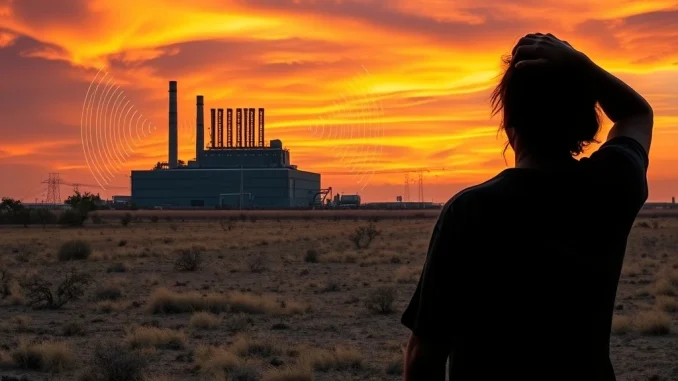
Imagine living in your home, but the peace you once knew is replaced by a relentless, low-frequency hum that never stops. This isn’t a scene from a sci-fi movie; it’s the grim reality for many residents in Granbury, Texas, who are now caught in a heated battle against a massive Bitcoin mining operation. The culprit? MARA Holdings (formerly Marathon Digital), whose 300-megawatt facility is accused of causing severe health issues due to persistent and disruptive noise. This escalating conflict shines a spotlight on the growing tensions between the booming cryptocurrency industry and the communities it impacts.
The Escalating Battle Over Bitcoin Mining Noise: A Community’s Cry for Relief
For residents of Granbury, Texas, the constant drone from the MARA Holdings Bitcoin mining facility has become an unbearable part of daily life. Located in an unincorporated area of Hood County, this 300-megawatt operation generates a unique, low-frequency noise that penetrates homes and disrupts tranquility. Eyewitness accounts, including a video by the nonprofit More Perfect Union, paint a stark picture: residents living within a mile of the site describe chronic headaches, debilitating sleep deprivation, and stress-related illnesses. One elderly resident’s poignant statement, “It never goes away, headaches never go away,” encapsulates the profound suffering caused by this incessant hum.
Unlike typical traffic or industrial noise, the sound from Bitcoin mining operations is often described as a deep, pervasive hum that is difficult to escape. Environmental lawyer Mandy DeRoche of Earthjustice highlighted this distinction, noting its “incessant” low-frequency nature. This constant auditory assault has led a group of residents to take drastic action, filing a lawsuit in October 2024. They accuse MARA of exacerbating pre-existing health conditions and inflicting significant sensory and psychological harm on the community.
Unpacking the MARA Lawsuit: What Are the Residents Demanding?
The lawsuit against MARA Holdings, filed by affected Granbury residents, represents a critical step in their fight for relief. The facility at the heart of the dispute was initially developed by Compute North before MARA acquired it in January 2024 following Compute North’s bankruptcy in 2022. The residents’ legal action seeks to hold MARA accountable for what they allege is negligence in operating the facility without adequate noise mitigation measures.
Key aspects of the MARA lawsuit include:
- Allegations of Harm: Residents claim the noise has led to chronic headaches, sleep deprivation, and exacerbated stress-related conditions.
- Lack of Response: Despite repeated complaints from the community, MARA has not publicly responded to allegations of negligence, leaving residents feeling unheard and without recourse.
- Regulatory Gaps: A significant point of contention is the perceived lack of effective regulatory oversight in Texas, a state known for its low energy costs and deregulated market, which has attracted numerous Bitcoin mining operations.
The lawsuit underscores a broader call for corporate accountability within the cryptocurrency sector. Residents and advocates are demanding stricter noise ordinances and comprehensive environmental impact assessments to prevent similar situations from arising in other communities.
Why Texas Crypto Mining Attracts Controversy
Texas has emerged as a hub for cryptocurrency mining, largely due to its deregulated energy market and relatively low electricity costs. While these factors are attractive to mining companies, they often come at a cost to local communities and the environment. The Granbury case is a prime example of the friction that can arise when rapid industrial expansion meets insufficient regulatory frameworks.
The state’s regulatory environment is seen by many residents as having significant gaps when it comes to overseeing large-scale industrial operations like Bitcoin mining farms. This absence of robust local or state-level noise ordinances and environmental protections leaves communities vulnerable. As one representative from a Texas environmental watchdog emphasized, “It’s about corporate accountability,” highlighting the urgent need for better safeguards to protect public health and well-being.
This situation also carries political implications. Months before the lawsuit, MARA executives met with then-presidential candidate Donald Trump, who subsequently endorsed Bitcoin mining in his campaign promises. One Granbury resident expressed regret over their 2024 vote, criticizing the “ignorance” of the administration toward community health impacts. While the Trump-led Congress has yet to pass mining-specific legislation, recent bills addressing stablecoins and digital asset markets signal a shifting, albeit slow, regulatory landscape.
The Broader Cryptocurrency Environmental Impact: A Growing Concern?
The Granbury lawsuit is not an isolated incident; it’s a stark reminder of the broader cryptocurrency environmental impact and social challenges facing the industry. Beyond energy consumption, the noise pollution generated by massive mining facilities is becoming a significant point of contention globally. As the industry expands, so does the scrutiny over its footprint.
Analysts suggest that while local disputes like the one in Granbury may not directly sway broader Bitcoin market trends – Bitcoin’s price, for instance, remains largely unaffected, hovering near $119,000 at the time of the original report – they undeniably underscore the industry’s growing social and environmental responsibilities. MARA’s financial strategies, including plans to issue $1 billion in convertible senior notes partly to purchase more Bitcoin, highlight the company’s focus on market position, leveraging its substantial 50,000 BTC holdings (worth $6 billion). However, this financial ambition is increasingly being weighed against community well-being.
Experts are increasingly calling for a more holistic approach. “The industry’s expansion must include dialogue with affected communities,” one expert stated, warning that neglecting public concerns could undermine long-term legitimacy. This case serves as a cautionary tale, illustrating the trade-offs inherent in cryptocurrency’s rapid expansion, where economic incentives too often overshadow community health and environmental considerations.
Community vs Bitcoin Mining: A Precedent-Setting Case?
The ongoing legal battle in Granbury, Texas, represents a crucial moment in the evolving relationship between local communities and the burgeoning Bitcoin mining industry. This isn’t just a local dispute; it’s a potential precedent-setting case that could influence how regulators balance technological innovation with public health priorities across the U.S.
Residents continue to demand:
- Stricter noise ordinances tailored to the unique characteristics of mining operations.
- Mandatory environmental impact assessments before new facilities are approved.
- Federal intervention to address existing regulatory gaps and ensure consistent oversight.
The outcome of this lawsuit will be closely watched by both the cryptocurrency industry and environmental advocates. It could set a benchmark for corporate accountability, pushing mining companies to adopt more sustainable and community-friendly practices. Ultimately, the Granbury case highlights the urgent need for a more comprehensive framework that ensures the economic benefits of cryptocurrency innovation do not come at the expense of residents’ health and quality of life.
Conclusion
The lawsuit filed by Granbury, Texas, residents against MARA Holdings over debilitating Bitcoin mining noise serves as a powerful reminder that rapid technological advancement must be balanced with social responsibility. As the cryptocurrency industry continues its expansion, the challenges posed by its environmental and social footprint are becoming increasingly apparent. The Granbury case underscores the critical need for robust regulatory frameworks, transparent corporate practices, and meaningful dialogue between industry players and affected communities. The future of crypto adoption may well depend on its ability to address these concerns, ensuring that innovation truly benefits everyone, not just a select few.
Frequently Asked Questions (FAQs)
1. What is the core issue in the Granbury, Texas lawsuit against MARA Holdings?
The lawsuit centers on severe noise pollution from MARA Holdings’ 300-megawatt Bitcoin mining facility. Residents allege that the persistent, low-frequency hum causes chronic headaches, sleep deprivation, and other stress-related health issues, leading them to sue for damages and demanding stricter regulations.
2. How does Bitcoin mining noise differ from typical industrial noise?
Environmental lawyers and residents describe Bitcoin mining noise as uniquely “incessant” and low-frequency. Unlike intermittent traffic or construction noise, this hum is constant and pervasive, making it difficult for residents to escape and significantly impacting their quality of life and health.
3. Why is Texas a popular location for Bitcoin mining operations?
Texas attracts Bitcoin mining companies primarily due to its deregulated energy market and relatively low electricity costs. These factors make it economically favorable for energy-intensive operations like cryptocurrency mining, though this often leads to environmental and community challenges.
4. Has the MARA lawsuit impacted Bitcoin’s market price?
No, the lawsuit and local disputes like this one have largely not impacted Bitcoin’s broader market price. While such cases highlight growing social and environmental scrutiny, the cryptocurrency’s value tends to be influenced more by global economic factors, institutional adoption, and overall market sentiment.
5. What are residents and advocates demanding as a result of the noise pollution?
Residents and advocates are calling for stricter noise ordinances specifically tailored for mining operations, mandatory environmental impact assessments before new facilities are approved, and potential federal intervention to address existing regulatory gaps and ensure better oversight of the cryptocurrency mining industry.