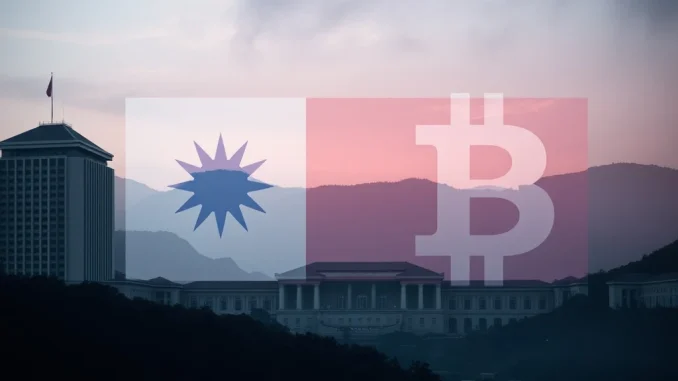
Taiwan is currently at a significant crossroads regarding its approach to confiscated digital assets. The government has initiated a crucial investigation into its **seized Bitcoin holdings**. This move follows calls from a prominent legislator to thoroughly evaluate these valuable **crypto assets**. Consequently, the outcome could set a precedent for how Taiwan manages its future digital currency reserves.
Understanding Taiwan’s Stance on Seized Bitcoin
Taiwanese legislator Ge Ru-jun has urged the government to conduct a comprehensive inquiry into its confiscated **Bitcoin holdings**. She believes these assets possess substantial potential value. Ge Ru-jun specifically highlighted the need to determine whether the government should stockpile or sell the seized cryptocurrency. This discussion underscores a growing global debate. Many nations grapple with managing digital assets obtained through law enforcement actions.
Furthermore, the central bank of Taiwan has acknowledged the urgency of this matter. Yang Chin-long, the governor of Taiwan’s central bank, confirmed that a detailed research report on the topic will be released. This report is expected by the end of the year. Therefore, it will provide critical insights and recommendations for future policy decisions. The investigation aims to establish a clear framework. It will guide the government’s strategy concerning these increasingly significant digital resources.
The Dilemma: Stockpile or Sell Bitcoin Holdings?
The core of Taiwan’s investigation revolves around a fundamental question: what is the best strategy for government-held **Bitcoin holdings**? This dilemma presents several considerations:
- Potential for Appreciation: Bitcoin’s historical price volatility suggests significant future gains are possible. Holding these assets could yield substantial profits for the state.
- Market Impact: Selling large quantities of Bitcoin could potentially depress its market price. This might affect the broader cryptocurrency ecosystem.
- Custodial Risks: Storing significant amounts of **digital currency** requires robust security measures. Governments must protect against hacks or loss.
- Liquidity Needs: Converting Bitcoin into fiat currency offers immediate funds for government programs. This could be appealing for budget purposes.
Yang Chin-long’s commitment to a research report reflects the complexity of these choices. The report will likely analyze market trends, legal implications, and economic benefits. Consequently, Taiwan seeks a well-informed decision. It aims to maximize the value of its **seized Bitcoin** while minimizing risks.
Global Precedents for Government Crypto Assets Management
Taiwan is not alone in facing this challenge. Other governments have previously dealt with **seized Bitcoin** and other **crypto assets**. Their approaches vary widely:
- United States: US authorities, such as the Department of Justice, frequently seize Bitcoin from criminal enterprises. They often auction these assets off to the public. This converts them into fiat currency.
- European Nations: Some European countries have also sold confiscated cryptocurrencies. They often use specialized auction platforms. This ensures transparency and fair market value.
- Other Jurisdictions: A few nations have considered holding onto their seized crypto. They view it as a strategic asset or a future reserve. This strategy, however, remains less common.
The global landscape provides a valuable context for Taiwan’s deliberations. Furthermore, studying these precedents can help Taiwan develop a robust and effective policy. It will ensure responsible management of its **digital currency** assets. This careful consideration aligns with global best practices.
The Broader Impact of Taiwan Bitcoin Decisions
The decision Taiwan makes regarding its **Bitcoin holdings** extends beyond simple asset management. It carries broader implications for its financial and technological future. For instance, a decision to hold could signal confidence in the long-term viability of cryptocurrencies. Conversely, a decision to sell might indicate a more cautious, traditional approach to finance.
Moreover, this investigation highlights Taiwan’s evolving relationship with blockchain technology and **crypto assets**. Taiwan has shown interest in fostering innovation. It also seeks to establish clear regulatory guidelines. The central bank’s report will therefore be a key document. It will help shape the narrative around **Taiwan Bitcoin** policy for years to come. Ultimately, this move reflects a growing recognition of digital assets’ importance in the global economy.
What’s Next for Taiwan’s Digital Currency Strategy?
The forthcoming research report from Taiwan’s central bank is highly anticipated. It will serve as a foundational document for future policy. This report is expected to delve into various aspects. These include legal frameworks, economic analysis, and risk assessments related to **seized Bitcoin**. The findings will inform legislative action and executive decisions.
Furthermore, the investigation could lead to new regulations. These regulations might cover how digital assets are seized, stored, and ultimately disposed of by government agencies. It represents a significant step. Taiwan is moving towards a more formalized and structured approach to **crypto assets**. This proactive stance aims to ensure stability and capitalize on emerging financial technologies. The global crypto community will closely watch these developments. They offer valuable insights into government engagement with digital currencies.
Taiwan’s thorough investigation into its **seized Bitcoin** signifies a critical moment. It reflects a careful consideration of valuable **digital currency** assets. The outcome will shape Taiwan’s economic future and its standing in the global crypto landscape. All eyes are now on the central bank’s report, expected later this year. It promises to provide clarity and direction on this important issue.
Frequently Asked Questions (FAQs)
Q1: Why is Taiwan investigating its seized Bitcoin holdings?
A1: Taiwanese legislator Ge Ru-jun initiated the investigation. She believes the confiscated Bitcoin holds high potential value. The government needs to decide whether to stockpile these assets for future gains or sell them for immediate revenue. This inquiry ensures a strategic and informed decision.
Q2: What is the significance of the central bank’s research report?
A2: The central bank’s research report, due by year-end, will provide a comprehensive analysis of the legal, economic, and practical implications of managing seized Bitcoin. It will offer recommendations that will guide Taiwan’s future policy on crypto assets, setting a precedent for how the nation handles digital currency.
Q3: How do other governments typically handle seized Bitcoin?
A3: Many governments, including the United States and various European nations, typically auction off seized Bitcoin to convert it into fiat currency. This approach helps recover funds from illicit activities. A few jurisdictions consider holding onto crypto as a strategic asset, though this is less common.
Q4: What are the potential benefits of stockpiling seized Bitcoin for Taiwan?
A4: Stockpiling seized Bitcoin could allow Taiwan to benefit from potential future price appreciation of the digital asset. If Bitcoin’s value increases, the government’s holdings would grow, potentially providing significant financial returns without immediate market impact from a large sale.
Q5: Will this investigation impact Taiwan’s overall cryptocurrency regulations?
A5: Yes, this investigation could significantly influence Taiwan’s broader cryptocurrency regulations. The findings and subsequent policy decisions regarding seized Bitcoin may lead to new frameworks for digital asset management, storage, and disposal, reflecting a more formalized approach to crypto assets.