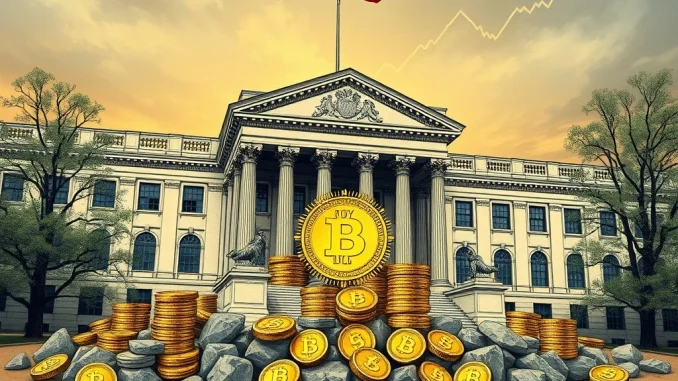
Could stablecoins be the hidden disruptor of the U.S. Treasury markets? Economist Peter Schiff has issued a stark warning: the rapid growth of stablecoins may destabilize traditional financial systems, push up interest rates, and create unforeseen risks. Here’s what you need to know.
How Stablecoins Could Disrupt Treasury Markets
Stablecoins, often backed by cash or short-term Treasury holdings, are not just digital dollars—they represent a shift in liquidity. Unlike traditional bank deposits, which fuel loans and credit, stablecoins often sit in low-risk assets. This behavior could reduce demand for long-term Treasury bonds, a cornerstone of financial stability.
- Liquidity Shift: Stablecoins move capital away from traditional lending channels.
- Reduced Demand for Bonds: Less appetite for long-term Treasuries could destabilize markets.
- Higher Borrowing Costs: Mortgage rates and other loans may rise as liquidity dries up.
Why Peter Schiff Fears Rising Interest Rates
Schiff argues that stablecoins don’t create new demand—they simply reallocate existing capital. This reallocation could strain financial instruments, echoing past crises like 2008 and the pandemic-era market turmoil. The result? Volatility and potential spikes in interest rates.
| Impact | Explanation |
|---|---|
| Monetary Policy Challenges | Stablecoins may weaken central banks’ control over interest rates. |
| Market Instability | Liquidity shifts could trigger unpredictable Treasury market swings. |
Regulatory Dilemma: Innovation vs. Stability
While stablecoins offer faster transactions and lower fees, their unchecked growth poses systemic risks. Policymakers must balance fostering innovation with safeguarding financial stability. Schiff’s warnings highlight the urgent need for clear regulations.
Conclusion: A Call for Caution
Stablecoins are reshaping finance, but their unintended consequences could be severe. As debates over regulation heat up, one thing is clear: the financial system must adapt—or risk disruption.
FAQs
1. How do stablecoins affect Treasury markets?
Stablecoins divert liquidity from traditional lending, reducing demand for long-term Treasury bonds and potentially destabilizing markets.
2. Why does Peter Schiff warn about rising interest rates?
Schiff believes stablecoins reallocate capital without increasing demand, leading to higher borrowing costs and market volatility.
3. Are stablecoins a threat to monetary policy?
Yes, their growth could undermine central banks’ ability to control interest rates and manage economic stability.
4. What historical events compare to this risk?
The 2008 financial crisis and pandemic-era market disruptions involved similar liquidity shifts, leading to systemic instability.