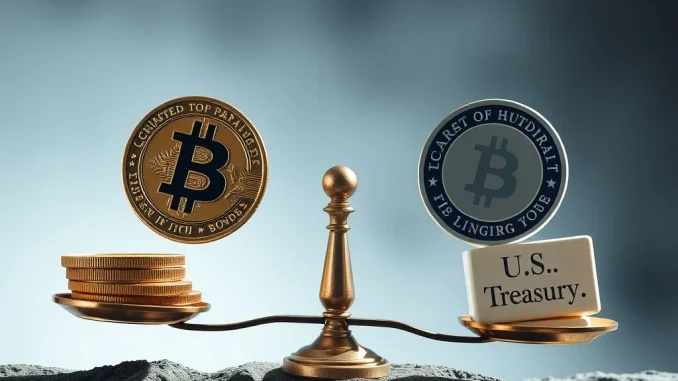
Could stablecoins be undermining the U.S. Treasury market? Economist Peter Schiff has raised alarming concerns about how these digital assets are redirecting capital away from government securities, potentially triggering higher yields and financial instability. Let’s dive into the implications of his warning.
How Stablecoins Are Disrupting the Treasury Market
Peter Schiff argues that stablecoins don’t bring new liquidity into the financial system. Instead, they pull existing capital from traditional Treasury investments. Here’s why this matters:
- Reduced Demand for Treasuries: Money flowing into stablecoins isn’t buying long-duration Treasury securities.
- Higher Borrowing Costs: Lower demand could force the U.S. government to offer higher yields, increasing debt costs.
- Market Imbalances: Shifts in capital allocation may disrupt credit markets and monetary policy.
Why the Federal Reserve’s Stance Matters
The Fed’s decision to hold rates in July 2025 adds another layer of complexity. Chair Jerome Powell emphasized caution, warning that premature rate cuts could fuel inflation. Schiff’s analysis suggests stablecoins may exacerbate these challenges by distorting capital flows.
The Ripple Effect on Financial Stability
If stablecoins continue growing, they could weaken the Treasury market’s resilience during economic downturns. This instability might ripple through broader credit markets, affecting everything from mortgage rates to corporate borrowing costs.
What’s Next for Stablecoins and Treasuries?
As digital assets evolve, regulators and investors must weigh their benefits against systemic risks. Schiff’s warnings highlight the urgent need for deeper analysis of how stablecoins interact with traditional finance.
FAQs
1. How do stablecoins affect Treasury yields?
Stablecoins divert funds that would otherwise buy Treasuries, potentially reducing demand and pushing yields higher.
2. What did Peter Schiff say about stablecoins?
Schiff warned that stablecoins redirect capital from Treasuries, risking higher borrowing costs and financial instability.
3. Why is the Fed’s rate policy relevant?
The Fed’s cautious stance on rate cuts intersects with stablecoin growth, influencing liquidity and market dynamics.
4. Could stablecoins trigger a financial crisis?
While not imminent, large-scale capital shifts could destabilize credit markets if left unchecked.