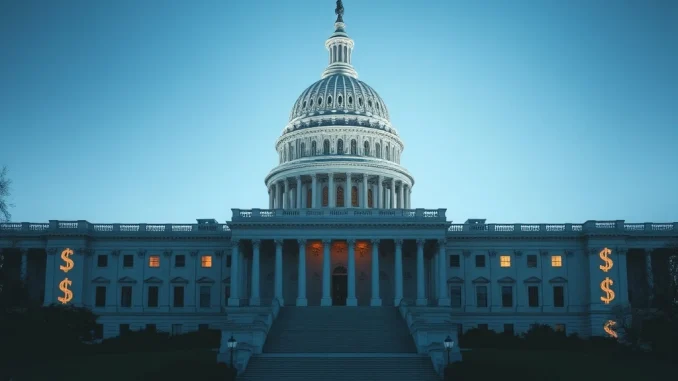
The cryptocurrency world is buzzing with a monumental development from Capitol Hill. A significant stablecoin bill, officially known as the Guiding and Establishing National Innovation for U.S. Stablecoins of 2025 Act, or the Genius Act, has reportedly cleared the U.S. House of Representatives. This move, as reported by Infinity Hedge via Telegram, marks a pivotal moment in the ongoing journey toward comprehensive US crypto regulation.
What Does the Passage of the Stablecoin Bill Mean?
The recent vote in the U.S. House of Representatives signals a major step forward for the regulation of digital currencies, particularly stablecoins. For years, the crypto industry has operated in a regulatory gray area within the United States, leading to uncertainty for businesses and investors alike. The passage of the stablecoin bill, the Genius Act, aims to bring much-needed clarity and a defined framework to this rapidly evolving sector.
This development is not merely a procedural formality; it represents a growing recognition among lawmakers of the importance and potential impact of stablecoins on the financial system. Stablecoins, by design, aim to maintain a stable value relative to a fiat currency like the U.S. dollar, making them a crucial bridge between traditional finance and the volatile world of cryptocurrencies. Establishing clear rules for their issuance and operation is seen as essential for fostering trust and enabling wider adoption.
The Genius Act: A Closer Look at US Crypto Regulation
While the full text and specific provisions of the Genius Act are subject to ongoing discussion and refinement, reports suggest it addresses several key areas critical for robust US crypto regulation. The aim is to balance innovation with consumer protection and financial stability. Here are some of the anticipated pillars of this proposed legislation:
- Reserve Requirements: The bill is expected to mandate strict 1:1 reserve backing for stablecoins, ensuring that each digital token is fully collateralized by high-quality, liquid assets. This provision is crucial for maintaining the stable peg and preventing scenarios like the TerraUSD collapse.
- Auditing and Transparency: Stablecoin issuers will likely face requirements for regular, independent audits of their reserves, with transparent reporting to regulators and the public. This increases accountability and builds confidence.
- Licensing Framework: The act is anticipated to establish a clear licensing regime for stablecoin issuers, potentially requiring them to obtain specific charters or operate under existing banking regulations. This would bring them under the purview of federal oversight bodies.
- Consumer Protection: Provisions for safeguarding consumer funds, clear disclosure requirements, and mechanisms for redress in case of stablecoin issuer insolvency are also expected to be central to the bill.
The intent behind these measures is to create a secure environment for stablecoin use, allowing them to integrate more seamlessly into the broader financial ecosystem while mitigating systemic risks. This structured approach is a significant departure from the previous fragmented regulatory landscape.
How Will This Impact Digital Assets and the Broader Economy?
The passage of the stablecoin bill in the House carries profound implications for all digital assets, not just stablecoins. It signals a shift towards a more regulated, and potentially more legitimate, crypto market in the United States. For stablecoin issuers like Circle (USDC) and Tether (USDT), clarity around federal regulation could lead to greater operational certainty and potentially enable new partnerships with traditional financial institutions.
Beyond stablecoins, the Genius Act’s framework could set a precedent for how other types of digital assets are regulated in the future. A clear regulatory pathway for stablecoins might encourage innovation in other areas of decentralized finance (DeFi) by providing a more stable foundation for on-chain activities. It could also pave the way for mainstream adoption of blockchain-based payments and financial services, as businesses and consumers gain more confidence in the regulatory environment.
From an economic perspective, well-regulated stablecoins could offer a more efficient and cost-effective means of conducting transactions, both domestically and internationally. They could also contribute to financial inclusion by providing accessible digital payment rails. However, it’s also worth noting that some in the crypto community express concerns that overly strict regulation could stifle innovation or favor larger, incumbent financial players over smaller, agile crypto native firms.
The Road Ahead for the US House of Representatives and Stablecoin Legislation
While the passage in the U.S. House of Representatives is a significant milestone, it is by no means the final step for the Genius Act. The legislative process in the United States is complex and multi-layered. The bill must now proceed to the Senate, where it will undergo further review, debate, and potentially amendments. There, it might face different perspectives and priorities, given the diverse political landscape of the upper chamber.
Should the bill successfully pass the Senate, it would then head to the President’s desk for signature into law. This entire process can be lengthy and fraught with challenges, including potential disagreements between the House and Senate versions, or even a presidential veto. The crypto industry, advocacy groups, and traditional financial institutions will undoubtedly continue their lobbying efforts to shape the final form of this critical piece of US crypto regulation.
The journey of this stablecoin bill through Congress is a testament to the increasing mainstream attention on cryptocurrencies. Its eventual outcome will significantly shape the future of digital finance in the U.S. and influence global regulatory trends.
The passage of the Genius Act in the U.S. House of Representatives marks a watershed moment for the digital asset landscape. It signifies a serious commitment by U.S. lawmakers to establish a clear regulatory framework for stablecoins, an essential step for fostering trust, innovation, and broader adoption of digital currencies. While the road ahead through the Senate and to the President’s desk is still long, this development offers a glimpse into a future where digital assets operate within defined legal boundaries, potentially unlocking their full potential for the global economy. It’s a clear signal that the era of regulatory ambiguity for stablecoins in the U.S. is drawing to a close, paving the way for a more mature and integrated digital financial system.
Frequently Asked Questions (FAQs)
What is the Genius Act?
The Genius Act, formally known as the Guiding and Establishing National Innovation for U.S. Stablecoins of 2025 Act, is a proposed U.S. federal legislation aimed at creating a comprehensive regulatory framework for stablecoins, ensuring their stability, transparency, and consumer protection.
Why is this stablecoin bill important?
This bill is crucial because it provides much-needed regulatory clarity for stablecoins in the U.S. It seeks to establish rules for reserve requirements, auditing, and licensing, which can foster trust, reduce risks, and potentially accelerate the mainstream adoption of digital assets in finance and payments.
What are the key provisions expected in the Genius Act?
Key expected provisions include mandates for 1:1 reserve backing for stablecoins, requirements for regular independent audits and transparent reporting, a clear licensing framework for stablecoin issuers, and robust consumer protection measures.
What happens next with the Genius Act after passing the House?
After passing the U.S. House of Representatives, the Genius Act must then be considered and passed by the U.S. Senate. If it successfully clears the Senate, it will then be sent to the President for signature to become law.
How might this legislation impact crypto users and businesses?
For users, it could mean increased confidence and security when using stablecoins due to enhanced regulatory oversight. For businesses, especially stablecoin issuers, it could provide regulatory certainty, potentially opening doors for greater integration with traditional financial systems and fostering innovation within a defined legal environment.