The financial world is abuzz, and even for those primarily focused on cryptocurrencies, the latest development in the commodity markets demands attention. Why? Because the dramatic rise in the spot silver price offers crucial insights into broader economic forces that can influence all asset classes, including digital ones. We’re witnessing a truly remarkable moment as silver breaks through significant resistance levels, signaling shifts that could impact your investment strategies.
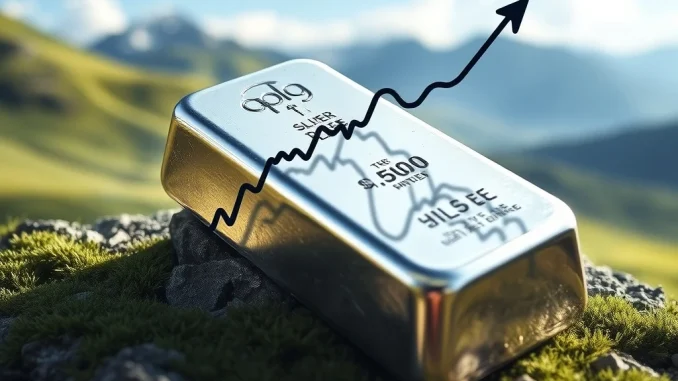
According to reports from Walter Bloomberg on X, the price of spot silver has surged by almost 3%, hitting an impressive $38 per ounce. This isn’t just a minor fluctuation; it marks a milestone not seen since September 2011. This kind of movement in a traditional asset like silver often reflects underlying macroeconomic pressures, making it a compelling topic for anyone keen on understanding the pulse of global finance.
What’s Fueling the Remarkable Silver Price Surge?
When an asset experiences such a significant and rapid climb, investors and analysts alike immediately look for the catalysts. The recent silver price surge is no exception, driven by a confluence of factors that highlight silver’s unique position in the global economy:
- Inflationary Pressures: As central banks around the world grapple with persistent inflation, investors often turn to hard assets like silver and gold as a hedge against the erosion of purchasing power. Silver, often called ‘poor man’s gold,’ becomes particularly attractive in such environments.
- Safe-Haven Demand: Global geopolitical tensions and economic uncertainties often send investors flocking to safe-haven assets. While gold typically leads this charge, silver also benefits from this flight to safety, offering an alternative store of value during turbulent times.
- Industrial Demand: Unlike gold, a significant portion of silver’s demand comes from industrial applications. It’s a critical component in solar panels, electric vehicles, electronics, and medical devices. Growing global initiatives towards green energy and technological advancements are consistently boosting this industrial demand, creating a strong fundamental tailwind for the spot silver price.
- Weakening US Dollar: Commodities, including silver, are typically priced in US dollars. A weaker dollar makes silver cheaper for holders of other currencies, thereby increasing demand and contributing to its price appreciation.
- Speculative Interest: Significant price movements often attract speculative capital. Traders and institutional investors, recognizing the momentum, jump into the market, further amplifying the upward trend. This can create a self-fulfilling prophecy in the short term, driving prices higher as more participants join the rally.
Silver’s Historical Context: A Decade in the Making for Precious Metals
The fact that silver has reached a level not seen since September 2011 is incredibly significant. To truly appreciate this milestone, let’s cast our minds back to that period. In 2011, the world was grappling with the aftermath of the 2008 financial crisis, widespread quantitative easing, and sovereign debt crises in Europe. These conditions created a perfect storm for precious metals, driving both gold and silver to historic highs.
Silver’s performance often correlates with gold, but it tends to be more volatile, offering greater upside potential (and downside risk). The gold-silver ratio, which indicates how many ounces of silver it takes to buy one ounce of gold, is a closely watched metric. When this ratio falls, it often signals silver outperforming gold, indicating strong bullish sentiment for the broader precious metals complex. The current rally suggests a renewed confidence in hard assets as a hedge against systemic risks.
Consider the journey silver has taken over the past decade:
| Year | Key Price Movement/Event | Context |
|---|---|---|
| September 2011 | Reached $49.50 (peak) | Post-financial crisis uncertainty, quantitative easing. |
| 2013-2015 | Significant price correction | Taper tantrum, strengthening dollar, economic recovery hopes. |
| 2020 | Covid-19 induced volatility, then strong recovery | Massive fiscal stimulus, supply chain disruptions. |
| Present (2024) | Breaks $38, highest since 2011 | Persistent inflation, geopolitical tensions, strong industrial demand. |
This historical perspective underscores that silver’s current rally is not an isolated event but rather a response to deep-seated economic and geopolitical currents, mirroring sentiments that drove its price over a decade ago.
Is Now the Time for Silver Investment? Opportunities and Considerations
With the spot silver price soaring, many are asking: is this the right time to consider silver investment? Like any asset, silver comes with its own set of opportunities and challenges. Understanding these can help you make informed decisions, whether you’re a seasoned investor or just starting to explore alternative assets.
Opportunities in Silver Investment:
- Diversification: Adding silver to a portfolio can provide diversification, as its price movements often differ from traditional assets like stocks and bonds. This can help reduce overall portfolio risk.
- Inflation Hedge: As discussed, silver has a strong historical record as a hedge against inflation, preserving wealth during periods of rising prices.
- Industrial Demand Growth: The ongoing energy transition and technological advancements mean that industrial demand for silver is likely to remain robust, providing a fundamental floor for its price.
- Potential for Capital Appreciation: Given its current momentum and the underlying macroeconomic environment, there’s potential for further price appreciation, especially if inflation persists or economic uncertainty grows.
Considerations and Challenges:
- Volatility: Silver is notoriously more volatile than gold. While this can mean higher returns, it also implies greater risk and larger price swings.
- Storage and Premiums (for physical): Investing in physical silver involves considerations like secure storage and paying premiums over the spot price, which can eat into returns.
- Market Manipulation Concerns: The silver market has historically faced allegations of manipulation, which can introduce additional risk for investors.
- Supply-Demand Dynamics: While industrial demand is strong, global silver mine production and recycling rates also play a crucial role in its supply, influencing prices.
For those considering silver investment, options include buying physical silver (coins, bars), investing in silver exchange-traded funds (ETFs) that track the price of silver, or purchasing shares in silver mining companies. Each method has its own pros and cons regarding liquidity, cost, and risk exposure. Always conduct thorough due diligence and align your investment with your personal financial goals and risk tolerance.
Beyond Silver: Understanding Broader Market Trends and Their Impact
The rally in the spot silver price isn’t just about silver itself; it’s a barometer for broader market trends. Precious metals often act as an early warning system or a confirmation signal for significant shifts in the global economic landscape. Here’s what silver’s performance might be telling us about the wider financial environment:
- Inflation Expectations: A strong rally in inflation-hedging assets like silver suggests that market participants are increasingly concerned about sustained inflation, possibly indicating that central banks may struggle to bring prices under control as quickly as anticipated.
- Interest Rate Outlook: While higher interest rates typically weigh on non-yielding assets like precious metals, silver’s surge suggests that other factors, such as inflation or geopolitical risk, are currently outweighing the impact of monetary policy. It could also signal that markets expect rate cuts in the future, making non-yielding assets more attractive.
- Economic Growth Concerns: Sometimes, strong commodity prices can signal robust economic growth (due to industrial demand). However, when combined with safe-haven buying, it can also reflect underlying anxieties about the stability of the financial system or the sustainability of current economic growth models.
- Shift in Investor Sentiment: The move into silver indicates a potential shift from riskier assets (like some tech stocks or even certain cryptocurrencies) towards more tangible, traditional stores of value. This doesn’t mean a mass exodus, but rather a rebalancing of portfolios in response to perceived risks.
Observing silver’s trajectory, therefore, provides a valuable lens through which to understand the complex interplay of economic forces, investor psychology, and geopolitical developments shaping today’s financial markets. These insights are invaluable for anyone navigating the volatile landscape of global investments, including the dynamic world of digital assets.
A Shining Future? The Enduring Appeal of Silver
The recent surge in the spot silver price to a 13-year high is more than just a headline; it’s a powerful indicator of shifting investor sentiment and underlying economic realities. Silver, with its dual role as an industrial metal and a monetary asset, is uniquely positioned to benefit from both technological advancement and global economic uncertainty. Its performance reflects growing concerns about inflation, a search for safe havens, and robust industrial demand.
While the allure of a rapidly appreciating asset is strong, potential investors must approach silver investment with a clear understanding of its volatility and the factors that drive its price. As market trends continue to evolve, silver’s journey will remain a compelling story, offering valuable insights into the broader financial landscape and reminding us of the enduring appeal of tangible assets in an increasingly digital world. Whether silver continues its meteoric rise or experiences a period of consolidation, its recent performance has firmly placed it back in the spotlight for investors worldwide.
Frequently Asked Questions (FAQs)
1. Why is the spot silver price rising now?
The current rise in the spot silver price is driven by a combination of factors, including persistent inflation concerns, increased demand for safe-haven assets amidst global geopolitical tensions, strong industrial demand from sectors like solar and electronics, and a weakening US dollar.
2. How high can silver go?
Predicting exact price targets for silver is challenging due to its volatility. However, some analysts believe that if the factors driving its current surge (inflation, industrial demand, safe-haven buying) persist, silver could test its all-time highs seen in 2011 (around $49.50) or even surpass them in the long term. This depends heavily on macroeconomic conditions and investor sentiment.
3. Is silver a good silver investment for beginners?
Silver can be a good investment for beginners looking to diversify their portfolio and hedge against inflation. However, its higher volatility compared to gold means beginners should understand the risks involved. Starting with a small allocation and considering ETFs or mutual funds can be a less complex entry point than physical silver.
4. How does silver compare to gold as a precious metal?
Both silver and gold are considered precious metals and safe-haven assets. Gold is primarily a monetary metal, seen as the ultimate store of value, while silver has significant industrial applications in addition to its monetary role. Silver tends to be more volatile than gold, meaning it can experience larger price swings both up and down, potentially offering higher returns but also higher risk.
5. What are the risks of investing in silver?
Key risks of investing in silver include its high volatility, which can lead to rapid price declines; potential for market manipulation; liquidity issues for physical silver; and storage costs if you hold physical assets. Economic downturns or a significant strengthening of the US dollar can also negatively impact silver prices.
6. How do global market trends affect silver?
Global market trends significantly impact silver. Inflationary pressures tend to boost its appeal as a hedge, while economic growth can increase industrial demand. Geopolitical instability often drives safe-haven buying. Conversely, a strong US dollar or a shift towards risk-on sentiment in equity markets can dampen demand for silver. Understanding these broader market trends is crucial for anticipating silver’s performance.