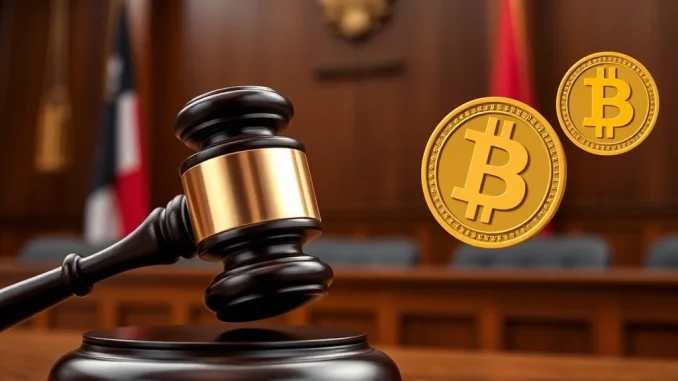
In a stunning legal decision, a South Korean court has ruled that users must return excess Bitcoin obtained from a 2018 Coinone glitch. This Bitcoin news highlights the legal complexities surrounding cryptocurrency exchanges and user accountability.
What Happened in the Coinone Bitcoin Glitch?
In October 2018, a system error on South Korean exchange Coinone allowed users to make duplicate Bitcoin withdrawals. At the time, BTC was trading at:
- 7.08 million to 7.87 million won ($5,200-$5,800)
- Approximately 1/20th of current Bitcoin values
Why Is This Bitcoin Ruling Significant?
The May 2023 court decision sets an important precedent for cryptocurrency exchanges and users:
| Key Aspect | Implication |
|---|---|
| User Responsibility | Users must return improperly obtained funds |
| Exchange Accountability | Exchanges can pursue legal action for system errors |
| Legal Precedent | Establishes framework for similar cryptocurrency cases |
What Does This Mean for Cryptocurrency News?
This case highlights three important trends in cryptocurrency regulation:
- Increasing legal scrutiny of cryptocurrency exchanges
- Growing recognition of digital assets in legal systems
- The need for clear policies regarding technical errors
Conclusion: A Landmark Decision in Bitcoin History
This South Korean court ruling represents a significant moment in cryptocurrency news, demonstrating how legal systems are adapting to digital asset challenges. The decision reinforces that even in decentralized systems, accountability matters.
Frequently Asked Questions
When did the Coinone Bitcoin glitch occur?
The system error happened in October 2018 when Bitcoin was trading at about $5,200-$5,800.
What did the South Korean court rule?
The court ordered users to return all Bitcoin obtained through duplicate withdrawals from the Coinone glitch.
How much was Bitcoin worth during the glitch?
BTC traded at 7.08-7.87 million won, about 1/20th of its current value.
Why did it take until 2023 for this ruling?
Legal cases involving cryptocurrency often take years due to their complex nature and evolving regulations.
What does this mean for other exchange glitches?
This sets a precedent that users may be legally required to return funds obtained through system errors.