The cryptocurrency world is buzzing, and for good reason! South Korea, a vibrant hub for digital assets, has just reported a phenomenal increase in its South Korea stablecoin trading volume. This isn’t just a minor fluctuation; we’re talking about a significant 50% jump, signaling a robust return of activity and confidence in the market. If you’ve been watching the crypto space, this surge is a clear indicator that things are heating up, especially in one of Asia’s most influential crypto markets.
What’s Behind the Remarkable South Korea Stablecoin Surge?
Recent data paints a compelling picture: South Korea stablecoin trading volume has seen an impressive leap. According to reports from Maeil Business Newspaper, citing CryptoQuant data, the combined stablecoin trading volume across the nation’s five largest crypto exchanges – Upbit, Bithumb, Coinone, Korbit, and Gopax – reached a staggering 2.23 trillion won (approximately $1.6 billion) between July 13 and 19. This figure includes both buy and sell transactions for popular stablecoins like USDT and USDC. What makes this truly remarkable is the comparison: it represents a 50.18% increase from the 1.48 trillion won (about $1.07 billion) recorded just a few weeks prior, from June 29 to July 4. This rapid escalation points to renewed investor interest and increased liquidity flowing into the Korean crypto ecosystem.
To put this into perspective, let’s look at the numbers:
| Period | Stablecoin Volume (KRW) | Stablecoin Volume (USD) |
|---|---|---|
| July 13 – July 19 | 2.23 trillion won | $1.6 billion |
| June 29 – July 4 | 1.48 trillion won | $1.07 billion |
| Percentage Increase | 50.18% | |
The Broader Crypto Market Rebound: A Global Phenomenon?
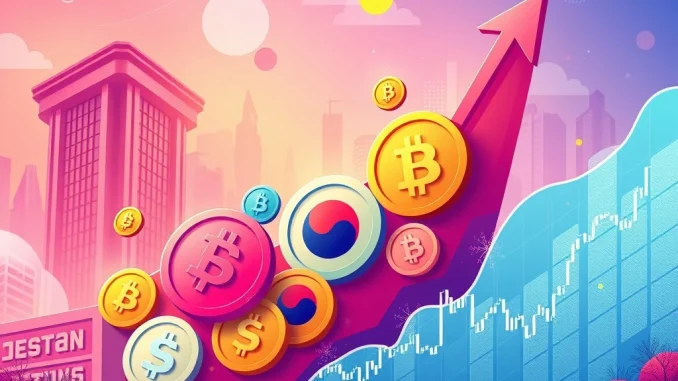
This surge in stablecoin activity in South Korea isn’t happening in isolation. It aligns perfectly with a broader crypto market rebound that has been gaining momentum globally. After a period of volatility and consolidation, many major cryptocurrencies, including Bitcoin and Ethereum, have shown signs of recovery. This renewed optimism often translates into increased trading across the board, and stablecoins play a crucial role in this dynamic. As investors regain confidence, they often use stablecoins to enter and exit positions, manage risk, or capitalize on arbitrage opportunities without fully converting back to fiat currency. The rebound fosters a more active trading environment, where stablecoins become essential tools for market participants.
Key indicators of a market rebound often include:
- Increased trading volumes for top cryptocurrencies.
- Positive price movements for major digital assets.
- Renewed institutional interest and investment.
- Improved market sentiment as reflected in news and social media.
The Korean market’s robust stablecoin growth serves as a compelling localized example of this global trend.
Understanding the Significance of Stablecoin Trading Volume
Why should we pay attention to stablecoin trading volume? Stablecoins are cryptocurrencies designed to maintain a stable value, typically pegged to a fiat currency like the US dollar. They act as a bridge between the volatile crypto world and traditional finance. A significant increase in their trading volume can indicate several things:
- Increased Liquidity: More stablecoin transactions mean more capital is moving within the crypto ecosystem, making it easier for traders to buy and sell other assets.
- Market Entry/Exit: Traders often convert fiat into stablecoins to enter the crypto market or convert volatile assets into stablecoins to lock in profits or mitigate risk during downturns.
- Arbitrage Opportunities: Price discrepancies between exchanges often lead traders to use stablecoins to quickly move funds and profit from these differences.
- Derivatives Trading: Stablecoins are frequently used as collateral or settlement assets in futures and options trading, indicating a rise in sophisticated trading strategies.
The jump in volume suggests a heightened level of activity and engagement from both retail and institutional traders in South Korea, leveraging stablecoins for various purposes within the evolving market landscape.
The Powerhouses: Korean Crypto Exchanges Leading the Charge
The surge in stablecoin activity is concentrated on South Korea’s top five Korean crypto exchanges: Upbit, Bithumb, Coinone, Korbit, and Gopax. These platforms collectively dominate the nation’s digital asset trading landscape, operating under a strict regulatory framework that has evolved significantly over the years. Upbit, in particular, often leads in terms of trading volume, solidifying its position as a major player not just in Korea but globally.
These exchanges play a pivotal role:
- Gateways to Crypto: They provide the primary on-ramps and off-ramps for Korean won into the crypto market.
- Regulatory Compliance: Operating under stringent financial regulations, including real-name account verification, enhances trust and security for users.
- Diverse Offerings: Beyond stablecoins, they list a wide range of cryptocurrencies, attracting diverse investor profiles.
- Market Influence: Their collective trading volume significantly impacts global crypto market trends and liquidity.
The robust infrastructure and user base of these exchanges are fundamental to the rapid growth observed in stablecoin trading, demonstrating their critical role in the country’s digital economy.
The Dominance of USDT and USDC in Korean Trading
The report specifically highlights USDT USDC trading as key drivers of the increased volume. These two stablecoins are the largest by market capitalization globally and are widely adopted for their liquidity and reliability. USDT (Tether) and USDC (USD Coin) are both pegged to the US dollar, making them popular choices for traders looking to preserve value or facilitate quick transactions without exposure to the volatility of other cryptocurrencies.
Their popularity stems from several factors:
- Liquidity: They offer deep liquidity, allowing for large trades with minimal price impact.
- Global Acceptance: Widely supported across exchanges worldwide, making cross-exchange arbitrage efficient.
- Trust (with caveats): Despite past controversies, both have maintained significant market share due to their widespread use and relatively stable peg.
- Utility: Essential for decentralized finance (DeFi) applications and yield farming, which are also gaining traction.
The prominence of USDT and USDC in the Korean market underscores their universal utility as fundamental building blocks for crypto trading and investment strategies.
What Does This Mean for the Future of Crypto in South Korea?
The dramatic rise in stablecoin trading volume in South Korea is more than just a statistic; it’s a strong signal for the future. It indicates growing confidence among investors, a desire to actively participate in the market, and the increasing maturity of the country’s crypto infrastructure. As regulatory clarity continues to improve and institutional interest potentially grows, South Korea could solidify its position as a leading force in the global digital asset space. This trend suggests that stablecoins will continue to be a cornerstone of crypto activity, facilitating seamless and efficient transactions in a dynamic market.
Conclusion: A Bullish Signal from the East
The remarkable 50% surge in South Korea stablecoin trading volume is a compelling testament to the resilience and renewed vigor of the global cryptocurrency market. Fueled by a broader crypto market rebound and facilitated by the robust operations of leading Korean crypto exchanges like Upbit, this significant increase in stablecoin trading volume, particularly in USDT USDC trading, underscores a growing appetite for digital assets. It highlights the critical role stablecoins play in providing liquidity, enabling diverse trading strategies, and acting as a gateway for both retail and institutional investors. As South Korea continues to navigate the evolving regulatory landscape, this powerful surge offers a bullish signal, reinforcing the nation’s importance in the ongoing evolution of the decentralized economy.
Frequently Asked Questions (FAQs)
What exactly are stablecoins?
Stablecoins are a type of cryptocurrency designed to minimize price volatility. They achieve this by pegging their value to a stable asset, most commonly fiat currencies like the US dollar (e.g., USDT, USDC) or commodities like gold. This stability makes them ideal for various purposes, including trading, remittances, and acting as a safe haven during market downturns.
Why is stablecoin trading volume considered important?
Stablecoin trading volume is a key indicator of overall market activity and liquidity. A high volume suggests that more capital is moving within the crypto ecosystem, indicating increased participation from traders. It also shows that investors are actively managing their portfolios, potentially moving between volatile assets and stable assets, or engaging in arbitrage and derivatives trading.
Which are the largest crypto exchanges in South Korea?
The five largest cryptocurrency exchanges in South Korea, as cited in the report, are Upbit, Bithumb, Coinone, Korbit, and Gopax. These platforms collectively handle the vast majority of crypto trading volume in the country and operate under specific regulatory guidelines set by South Korean authorities.
What factors contributed to the recent surge in stablecoin volume in South Korea?
The primary factor cited is the general pick-up in cryptocurrency market activity, indicating a broader crypto market rebound. As investor confidence returns and prices for major cryptocurrencies show recovery, traders use stablecoins more frequently for various strategies, including entering and exiting positions, managing risk, and facilitating transactions across different assets and exchanges.
Does this surge imply a bullish trend for the wider crypto market?
While not a direct predictor of price movements for specific cryptocurrencies, a significant increase in stablecoin trading volume, especially alongside a broader market rebound, is generally considered a positive sign. It indicates increased liquidity, investor engagement, and a willingness to participate in the market, which can contribute to a more robust and active ecosystem overall.