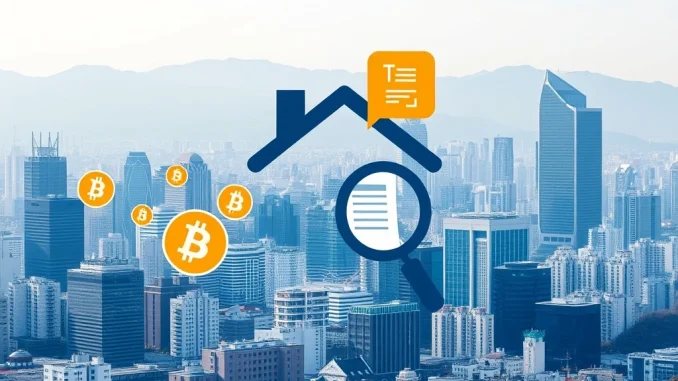
A significant development is reshaping how digital assets interact with traditional markets in Asia. The South Korean government has introduced a crucial new requirement for individuals. They must now report real estate purchases made with proceeds from the sale of virtual assets. This move aims to increase transparency and prevent illicit funds from entering the housing market. For anyone cashing out crypto to buy a home, declaring the transaction in their financing plan becomes mandatory. This marks a substantial step in the ongoing evolution of South Korea crypto regulations.
Understanding the New Virtual Asset Reporting Mandate
The South Korean government, through its financial regulatory bodies, has officially established this new reporting requirement. Specifically, it targets transactions where virtual assets are converted into fiat currency and subsequently used for property acquisition. This initiative is not merely about tracking funds. Instead, it seeks to create a more transparent financial ecosystem. Digital Asset, a local news outlet, first reported on these developments, highlighting the government’s proactive stance.
Under the new rules, individuals must include details of their virtual asset-derived funds when submitting a financing plan for real estate purchases. This applies to all property transactions, regardless of the value, if crypto proceeds are involved. Such measures are designed to curb potential money laundering activities and ensure fair taxation. Consequently, this enhances the integrity of both the cryptocurrency and real estate sectors.
Why South Korea is Cracking Down on Crypto Real Estate Transactions
South Korea has long been a global leader in cryptocurrency adoption and innovation. However, this widespread embrace also brings challenges, particularly concerning financial oversight. The government’s primary motivation for these stringent rules is multifaceted. First, it aims to prevent the use of digital assets for illegal activities, such as money laundering or funding illicit operations. Second, it seeks to ensure that all financial gains, including those from virtual asset sales, are properly declared for tax purposes. This helps maintain equity across different investment classes.
The real estate market, in particular, has faced scrutiny. Concerns about speculative investments and the influx of undeclared wealth have prompted regulators to act. By mandating detailed virtual asset reporting for property purchases, authorities gain better visibility into funding sources. This proactive approach helps stabilize the housing market and fosters greater public trust in financial systems. Ultimately, these steps protect both investors and the broader economy.
Impact on Crypto Funds Housing and Investors
The new regulations will undoubtedly affect individuals who use crypto funds housing purchases. Previously, the path from virtual assets to real estate might have been less scrutinized. Now, a clear declaration is required. This means investors need to maintain meticulous records of their crypto transactions, including purchase dates, sale prices, and the ultimate use of the proceeds. Furthermore, it could influence investment strategies, encouraging greater transparency from the outset.
For many crypto holders, the ability to convert digital wealth into tangible assets like real estate is a key benefit. This new rule does not prohibit such conversions. Instead, it formalizes the process, demanding accountability. Investors should consult with financial advisors to ensure full compliance. Understanding these requirements is essential to avoid potential legal complications or penalties. The regulatory landscape around digital assets continues to evolve rapidly, necessitating vigilance from all market participants.
Broader Implications for South Korea Regulations and the Crypto Market
These enhanced reporting requirements signify a maturing regulatory environment for cryptocurrencies in South Korea. They reflect a global trend where governments are increasingly seeking to integrate digital assets into existing financial frameworks. For instance, similar discussions are taking place in other major economies. These efforts aim to balance innovation with financial stability and consumer protection. Therefore, South Korea’s actions could set a precedent for other nations.
The broader crypto market in South Korea will likely adapt to these changes. Increased transparency can, in the long run, foster greater institutional confidence and legitimacy for digital assets. While some may view these regulations as restrictive, they are often a necessary step towards broader acceptance and integration of cryptocurrencies into mainstream finance. These new South Korea regulations underscore a commitment to responsible financial innovation.
Navigating Compliance: What Individuals Need to Know
For individuals planning to buy real estate using funds derived from virtual assets, understanding the new requirements is paramount. The first step involves accurately documenting all cryptocurrency transactions that lead to the funds used for the property purchase. This includes records of exchanges, wallets, and conversion to fiat currency. When submitting the financing plan for a real estate transaction, these details must be explicitly declared.
Key aspects to remember include:
- Detailed Record Keeping: Maintain comprehensive records of all virtual asset trades and conversions.
- Declaration in Financing Plan: Explicitly state the source of funds if they originate from crypto sales.
- Consultation: Seek advice from financial or legal professionals specializing in crypto and real estate.
- Tax Implications: Be aware of capital gains taxes on virtual asset sales, as these must be paid regardless of the new reporting rule.
This systematic approach ensures compliance and avoids any potential legal issues. The government’s goal is to shine a light on previously opaque transactions, making the financial system more robust and equitable for everyone involved. This proactive stance on crypto real estate transactions is a clear signal of the government’s direction.
In conclusion, South Korea’s new mandate for reporting real estate purchases made with crypto funds represents a significant policy shift. It aims to enhance transparency, combat illicit financial activities, and ensure fair taxation within the housing market. As the digital asset landscape continues to evolve, robust regulatory frameworks become increasingly vital. This move by South Korea solidifies its position as a leader in both crypto innovation and responsible financial governance, impacting investors and the broader market alike.
Frequently Asked Questions (FAQs)
Q1: What exactly does the new South Korea crypto rule require?
The new rule mandates that individuals must report the use of funds derived from virtual asset sales when purchasing real estate. This declaration must be included in their property financing plan, aiming to increase transparency of funding sources.
Q2: Why is South Korea implementing these new virtual asset reporting requirements?
South Korea is implementing these requirements primarily to prevent money laundering, combat illicit financial activities, and ensure proper taxation of capital gains from virtual asset sales. It also aims to stabilize the real estate market by increasing transparency.
Q3: Does this rule prohibit me from buying real estate with crypto funds housing?
No, the rule does not prohibit you from buying real estate with funds obtained from selling virtual assets. Instead, it requires you to declare these funds as part of your financing plan, making the transaction transparent to authorities.
Q4: What are the potential impacts of these South Korea regulations on crypto investors?
Crypto investors will need to maintain more detailed records of their virtual asset transactions. They must also be prepared to declare these funds when making property purchases. This could lead to increased compliance costs and a greater focus on tax planning for crypto gains.
Q5: Are similar crypto real estate regulations being introduced in other countries?
Yes, many countries are exploring or implementing similar regulations to bring virtual assets under greater financial scrutiny. South Korea’s move reflects a global trend towards integrating digital assets into traditional financial frameworks and combating illicit finance.
Q6: What should I do to ensure compliance with the new virtual asset reporting rule?
To ensure compliance, you should keep meticulous records of all your cryptocurrency transactions. When purchasing real estate, explicitly declare the source of funds if they originate from virtual asset sales in your financing plan. Consulting a financial or legal expert specializing in crypto and real estate is also advisable.