The crypto market is renowned for its wild swings, but recent Solana News has sent ripples of concern through the digital asset community. For those tracking the volatile world of meme coins, the dramatic events surrounding the PUMP token price and its associated platform, Pump.fun, are a stark reminder of the risks involved. What began as a speculative frenzy has quickly devolved into a complex legal entanglement, leaving many investors reeling.
Why is the PUMP Token Price Plummeting So Sharply?
Pump.fun’s native token, PUMP, has experienced a significant and alarming price decline. Within a mere 24 hours, the token plummeted over 20%, catching many off guard. This rapid descent is part of a larger trend: PUMP, which had peaked at $0.0068 on July 16, fell to $0.0028 by July 24, marking a staggering 52% plunge from its recent high and a 40% weekly drop. This sell-off was directly triggered by a critical announcement from co-founder Alon Cohen, stating that a planned crypto airdrop delay would occur. This news immediately destabilized market expectations, leading to heightened liquidity risks and a severe erosion of confidence in the token’s long-term utility. The initial enthusiasm for the token, fueled by speculative hype rather than tangible use cases, quickly dissipated as reality set in, leaving early adopters facing substantial losses.
Unpacking the Pump.fun Lawsuit: A Legal Quagmire for Solana
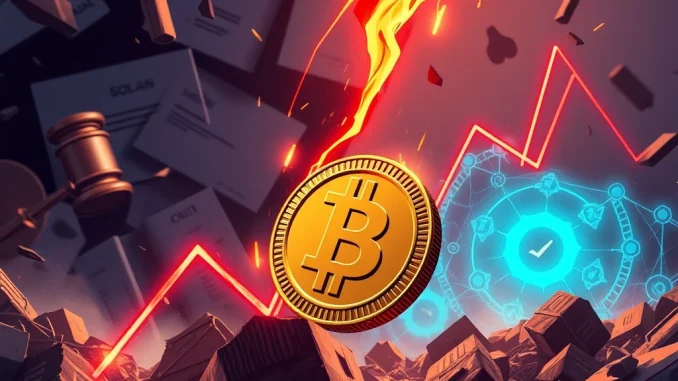
The PUMP token price crash coincided with a major legal escalation that has cast a long shadow over the entire Solana News ecosystem. Law firms Burwick Law and Wolf Popper filed an amended complaint not only against Baton Corporation, Pump.fun’s operator, but significantly expanded the list of defendants to include the Solana Foundation, Solana Labs, and Jito Labs. The lawsuit alleges severe violations of U.S. RICO statutes, securities laws, and anti-money laundering regulations. At its core, the complaint accuses the defendants of enabling what it describes as a “$5.5 billion unlicensed casino” that allegedly “lacks proper user verification” and exposed investors to significant financial crime risks. The gravity of the situation is further underscored by the direct naming of Solana co-founders Anatoly Yakavenko and Raj Gokal, along with executives from the Solana Foundation and Jito Labs, for their alleged roles in designing Pump.fun’s token and fee structures. The complaint asserts that Solana and Jito failed to monitor suspicious activity on the platform, despite their active involvement in its design and promotion.
The Crucial Crypto Airdrop Delay: A Betrayal of Investor Trust?
For many early investors, the promise of a crypto airdrop delay was a significant incentive. However, co-founder Alon Cohen’s July 23 announcement shattered these expectations, confirming that the airdrop would not occur in the “immediate future.” Instead, the project’s focus would shift to “execution and ecosystem growth.” While this might sound like a strategic pivot, it severely undermined market confidence, triggering widespread panic and intensifying sell-offs. This decision proved particularly detrimental to early adopters, many of whom had invested based on the airdrop’s potential value. The sentiment among investors quickly turned hostile, especially as whale sell-offs intensified following Cohen’s interview with influencer Michael “ThreadGuy” Jerome. This delay highlights the fragile nature of speculative projects that rely heavily on future incentives to maintain investor interest and liquidity.
The Broader Impact on the Meme Coin Market and Regulatory Scrutiny
The collapse of Pump.fun and the dramatic drop in PUMP token price reflect broader concerns about the sustainability of projects within the meme coin market. Launched recently with a presale price of $0.004, the platform consistently faced criticism for its lack of tangible use cases, relying almost entirely on speculative hype to drive its valuation. While Cohen’s announcement of a strategic shift aimed at “execution and ecosystem growth” might appear forward-looking, it has inadvertently deepened the project’s legal exposure. Regulators are now intensely scrutinizing decentralized platforms for compliance failures, and the Pump.fun case could set significant precedents for liability in tokenized ecosystems, particularly those built on major blockchains like Solana. The expanding legal risks now encompass Solana’s infrastructure partners, signaling a potential ripple effect across the entire crypto sector as regulators increase their focus on compliance in decentralized finance. This situation will likely influence how platforms design incentives and manage legal risks moving forward.
Navigating the Interplay of Hype, Law, and the Future of DeFi
The Pump.fun lawsuit and the accompanying price crash vividly illustrate the fragile interplay between market hype and regulatory clarity in the crypto space. With U.S. authorities increasingly targeting projects for perceived compliance gaps, Pump.fun’s legal entanglements are poised to reshape investor behavior and platform design across the industry. The outcome of this litigation will likely impact future approaches to airdrops, the assessment of token utility, and the very legal boundaries of decentralized initiatives. For investors, this serves as a critical reminder of the importance of thorough due diligence and understanding the inherent risks in highly speculative assets. The evolving regulatory landscape demands that projects prioritize transparency and compliance from inception, rather than reacting to legal challenges. The Solana News surrounding Pump.fun is a cautionary tale, emphasizing that innovation must always be balanced with robust legal frameworks and investor protection.
The dramatic events surrounding the PUMP token, marked by a sharp price decline and a multifaceted legal battle, underscore a critical juncture for the crypto industry. The Pump.fun lawsuit, coupled with the impactful crypto airdrop delay, highlights the increasing scrutiny on decentralized platforms and the inherent volatility of the meme coin market. As regulatory bodies continue to sharpen their focus on compliance and investor protection, projects operating within the blockchain ecosystem must adapt rapidly. This saga serves as a powerful reminder that while innovation drives the crypto space forward, adherence to legal and ethical standards is paramount for long-term sustainability and investor trust. The ripple effects of this case will undoubtedly influence future developments in DeFi and how new tokens are launched and managed.
Frequently Asked Questions (FAQs)
Q1: What is the PUMP token and why did its price drop so significantly?
A1: The PUMP token is the native cryptocurrency of Pump.fun, a platform that facilitates the creation and trading of meme coins. Its price dropped over 50% from its peak due to a combination of factors: a crucial announcement by co-founder Alon Cohen delaying a highly anticipated crypto airdrop, and a major lawsuit filed against Pump.fun, the Solana Foundation, Solana Labs, and Jito Labs alleging various legal violations. These events spooked investors, leading to a massive sell-off.
Q2: Who is suing Pump.fun, and what are the main allegations in the lawsuit?
A2: Law firms Burwick Law and Wolf Popper have filed an amended complaint against Baton Corporation (Pump.fun’s operator), and added the Solana Foundation, Solana Labs, and Jito Labs as defendants. The lawsuit alleges violations of U.S. RICO statutes, securities laws, and anti-money laundering regulations. It claims that Pump.fun operated as an “$5.5 billion unlicensed casino” lacking proper user verification, thus exposing investors to financial crime risks. Key figures from Solana and Jito are named for their alleged involvement in the platform’s design and failure to monitor suspicious activities.
Q3: Why was the PUMP airdrop delayed, and how did it affect investor sentiment?
A3: Pump.fun co-founder Alon Cohen announced that the airdrop, a key incentive for early investors, would not occur in the “immediate future.” He stated the project’s focus would shift to “execution and ecosystem growth.” This delay shattered market expectations and triggered widespread panic, as many investors had bought into PUMP specifically for the airdrop. It led to significant liquidity risks, eroded confidence, and caused investor sentiment to turn hostile, contributing heavily to the token’s price crash.
Q4: How does this Pump.fun lawsuit affect Solana and its ecosystem?
A4: The lawsuit directly implicates the Solana Foundation, Solana Labs, and Jito Labs, alleging their involvement in the design and operation of Pump.fun and a failure to monitor suspicious activity. This expands the legal risks beyond Pump.fun’s immediate team and puts a spotlight on the compliance practices of major blockchain ecosystems. It could set precedents for liability in tokenized environments built on Solana, potentially influencing how future projects on the blockchain are designed, launched, and regulated.
Q5: What are the broader implications of this case for the meme coin market and decentralized finance (DeFi)?
A5: The Pump.fun case highlights significant concerns about the sustainability and regulatory compliance of the broader meme coin market, which often relies on speculative hype rather than utility. Regulators are increasingly scrutinizing decentralized platforms for compliance failures, and this lawsuit could accelerate that trend. It signals that authorities are prepared to target projects and their underlying blockchain infrastructure for perceived legal gaps, potentially reshaping how platforms design incentives, manage legal risks, and ensure user protection in the DeFi space.