The cryptocurrency world constantly seeks greater efficiency and interoperability. Now, a groundbreaking initiative aims to redefine how digital assets move across different networks. Leading blockchain platforms Solana and Polygon, alongside other major industry players, have joined forces. They intend to build a common framework for cross-chain payments. This collaborative effort marks a significant step towards a more unified and user-friendly blockchain ecosystem.
Pioneering Blockchain Standardization Efforts for Cross-Chain Payments
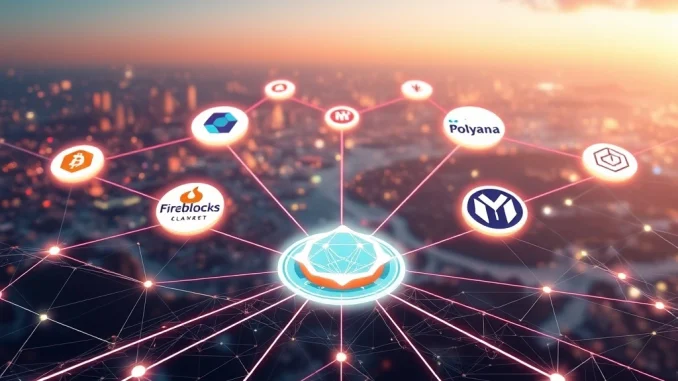
A new alliance, the Blockchain Payments Consortium (BPC), has emerged. This consortium brings together prominent entities like Solana, Fireblocks, Monad, and Polygon. Their primary objective is to develop a shared standard for digital payments across various blockchains. The Block reported this pivotal development, highlighting the industry’s commitment to enhancing interoperability. Furthermore, the BPC’s mission extends to improving the user experience for stablecoin transactions. It aims to meet the stringent ease-of-use and data requirements of traditional payment systems. Other vital members of this consortium include the Stellar Development Foundation, TON Foundation, and Mysten Labs. This diverse group signifies a broad industry commitment to blockchain standardization.
The current landscape of blockchain technology is often fragmented. Different networks operate with distinct protocols, creating silos. This fragmentation complicates the transfer of assets and data between chains. Consequently, users often face higher costs and slower transaction times when moving funds across disparate networks. The BPC recognizes these challenges. Therefore, its members are dedicated to creating a cohesive environment. This environment will allow for smoother, more efficient, and more secure cross-chain payments. Ultimately, this move promises to unlock new possibilities for digital finance.
The Urgent Need for Unified Cross-Chain Payments
The proliferation of blockchain networks has brought innovation but also complexity. Each chain offers unique advantages. However, moving assets from one chain to another often requires cumbersome bridges or centralized exchanges. These methods can introduce security risks and increase transaction fees. A unified framework, conversely, simplifies this process. It reduces friction, making digital payments as straightforward as traditional ones. This initiative directly addresses the pain points experienced by both individual users and institutional participants in the crypto space. It seeks to create a seamless experience for all stakeholders.
Consider the benefits for everyday users. Imagine sending a stablecoin from a Solana wallet to a recipient on the Polygon network effortlessly. Today, this process can involve multiple steps and various fees. The BPC’s framework aims to eliminate these hurdles. It will foster a more integrated digital economy. Such integration is crucial for the widespread adoption of blockchain technology. Moreover, it is essential for the future of digital currencies. The consortium’s work will lay the groundwork for truly interoperable financial systems.
Solana’s Pivotal Role in Advancing Interoperability
Solana stands out as a high-performance blockchain. It is renowned for its exceptional speed and low transaction costs. These technical attributes make it an ideal candidate to contribute to a universal payment framework. Its robust infrastructure can handle a high volume of transactions efficiently. This capability is vital for any system aiming to facilitate widespread cross-chain payments. Solana’s commitment to scalability and developer-friendly tools further enhances its contribution to the BPC. Its participation underscores its vision for a more connected blockchain world.
The Solana network’s architecture, particularly its proof-of-history consensus mechanism, provides rapid finality. This feature is paramount for payment systems where quick confirmation is essential. By leveraging Solana’s strengths, the BPC can build a framework that is both fast and reliable. This ensures that transactions are processed swiftly and securely. Ultimately, Solana’s involvement is not just about its technology. It is also about its strategic vision for an interconnected blockchain future. This vision aligns perfectly with the consortium’s goals.
Polygon’s Significant Contribution to Seamless Transactions
Polygon, a leading scaling solution for Ethereum, also plays a crucial role in this initiative. It offers various technologies, including sidechains and Layer 2 solutions, designed to improve transaction speed and reduce costs. Polygon’s widespread adoption and extensive developer community make it a powerful force in achieving blockchain standardization. Its expertise in creating efficient and scalable environments for dApps and DeFi protocols is invaluable. Furthermore, Polygon’s multi-chain approach naturally positions it to contribute to cross-network solutions.
The network’s ability to provide a cost-effective and efficient environment for dApps makes it a key player. This capability is especially important for facilitating frequent, small-value stablecoin transactions. Polygon’s experience in connecting with the broader Ethereum ecosystem also offers significant insights. These insights are crucial for building bridges between different blockchain architectures. Thus, Polygon’s involvement ensures that the framework will be robust, scalable, and widely accessible. Its contributions will help solidify the foundation for future digital payments.
Enhancing Stablecoin Transactions for Global Adoption
Stablecoins are digital currencies pegged to a stable asset, like the US dollar. They have become indispensable in the crypto economy, serving as a bridge between traditional finance and decentralized applications. However, their utility is often limited by the fragmentation of blockchain networks. The BPC’s focus on enhancing stablecoin transactions is therefore critical. By standardizing cross-chain payments, the consortium aims to make stablecoins truly liquid and transferable across any participating network. This move will significantly boost their appeal and functionality.
The initiative specifically targets the ease-of-use and data requirements of traditional payment systems. This means creating an experience for stablecoin users that mirrors the simplicity of using a credit card or a bank transfer. Achieving this level of user-friendliness is vital for mass adoption. It also involves addressing regulatory and compliance needs, ensuring that transactions meet industry standards. Ultimately, this effort will position stablecoins as a viable and preferred method for global digital payments, competing directly with conventional financial instruments.
A Collaborative Approach to Blockchain Standardization
The consortium model is powerful. It brings together diverse expertise and resources from multiple industry leaders. This collaborative approach ensures that the resulting framework is robust, secure, and widely accepted. Each member, from Solana to Fireblocks and Polygon, brings unique insights and technical capabilities. This collective intelligence is essential for tackling the complex challenges of interoperability. Working together, these entities can overcome obstacles that might be insurmountable for any single organization.
The involvement of entities like Fireblocks, a leading digital asset custody and transfer platform, adds a crucial layer of security and institutional experience. Similarly, the Stellar Development Foundation’s long-standing commitment to cross-border payments brings invaluable perspective. This broad participation ensures the framework will be comprehensive and practical. It will serve the needs of a wide range of users and businesses. The consortium’s efforts will likely set a new precedent for cooperation within the blockchain space.
Impact on the Future of Digital Payments
This initiative holds immense potential for the future of digital payments. By standardizing cross-chain payments, the BPC is paving the way for a truly interconnected global financial system. Reduced friction and increased efficiency will benefit businesses and consumers alike. Businesses can expect lower operational costs and faster settlement times. Consumers will enjoy simpler, more reliable ways to send and receive digital assets. This could accelerate the adoption of cryptocurrencies and blockchain technology in everyday commerce.
The impact could extend beyond just stablecoins. A successful blockchain standardization framework for payments could inspire similar efforts in other areas of decentralized finance. It could lead to more integrated DeFi protocols, cross-chain lending, and unified digital identity solutions. The consortium’s work is not merely about improving existing systems. It is about building the foundational infrastructure for the next generation of financial services. This collaborative spirit is a testament to the industry’s maturity and its vision for a more inclusive financial future.
In conclusion, the collaboration between Solana, Polygon, and other key players in the Blockchain Payments Consortium marks a monumental step forward. Their shared commitment to standardizing cross-chain payments, particularly for stablecoin transactions, promises to revolutionize digital finance. This initiative will foster greater interoperability, enhance user experience, and accelerate the mainstream adoption of blockchain technology. The future of digital payments looks significantly brighter and more integrated thanks to these pioneering efforts.
Frequently Asked Questions (FAQs)
What is the Blockchain Payments Consortium (BPC)?
The Blockchain Payments Consortium (BPC) is a group of leading blockchain companies and organizations, including Solana, Polygon, Fireblocks, Monad, Stellar Development Foundation, TON Foundation, and Mysten Labs. Their goal is to create a common framework for cross-chain payments.
Why is cross-chain payment standardization important?
Standardizing cross-chain payments is crucial because it addresses the fragmentation within the blockchain ecosystem. It aims to make transferring digital assets, especially stablecoins, between different networks more efficient, secure, and user-friendly, much like traditional payment systems.
How will this initiative impact stablecoin transactions?
The initiative will significantly enhance stablecoin transactions by making them more liquid and easily transferable across various blockchain networks. It seeks to improve their ease-of-use and meet the data requirements of traditional payment systems, thereby boosting their utility and potential for global adoption.
What specific roles do Solana and Polygon play in the BPC?
Solana contributes its high-speed, low-cost transaction capabilities and robust infrastructure, which are vital for efficient payment processing. Polygon, with its scaling solutions and extensive network, provides expertise in creating scalable and cost-effective environments for transactions and connecting different blockchain architectures.
Will this framework affect other aspects of decentralized finance (DeFi)?
Yes, a successful framework for cross-chain payments could have a ripple effect across DeFi. It could inspire similar standardization efforts, leading to more integrated DeFi protocols, improved cross-chain lending, and more unified digital identity solutions, ultimately fostering a more interconnected decentralized financial ecosystem.
When can we expect to see the results of this standardization effort?
Building a common framework for blockchain standardization is a complex undertaking. While specific timelines have not been publicly detailed, the collaboration of major industry players suggests a dedicated and focused effort. Users can anticipate gradual improvements and the rollout of standardized solutions over time as the consortium progresses.